

 HOME
HOME PRODUCT CENTER
 ABOUT US
 DOWNLOAD CENTER
 SUPPORT CENTER
 SUBSCRIBE
 BLOG
BLOGExploring Multi-Camera Synchronization in UV Printing
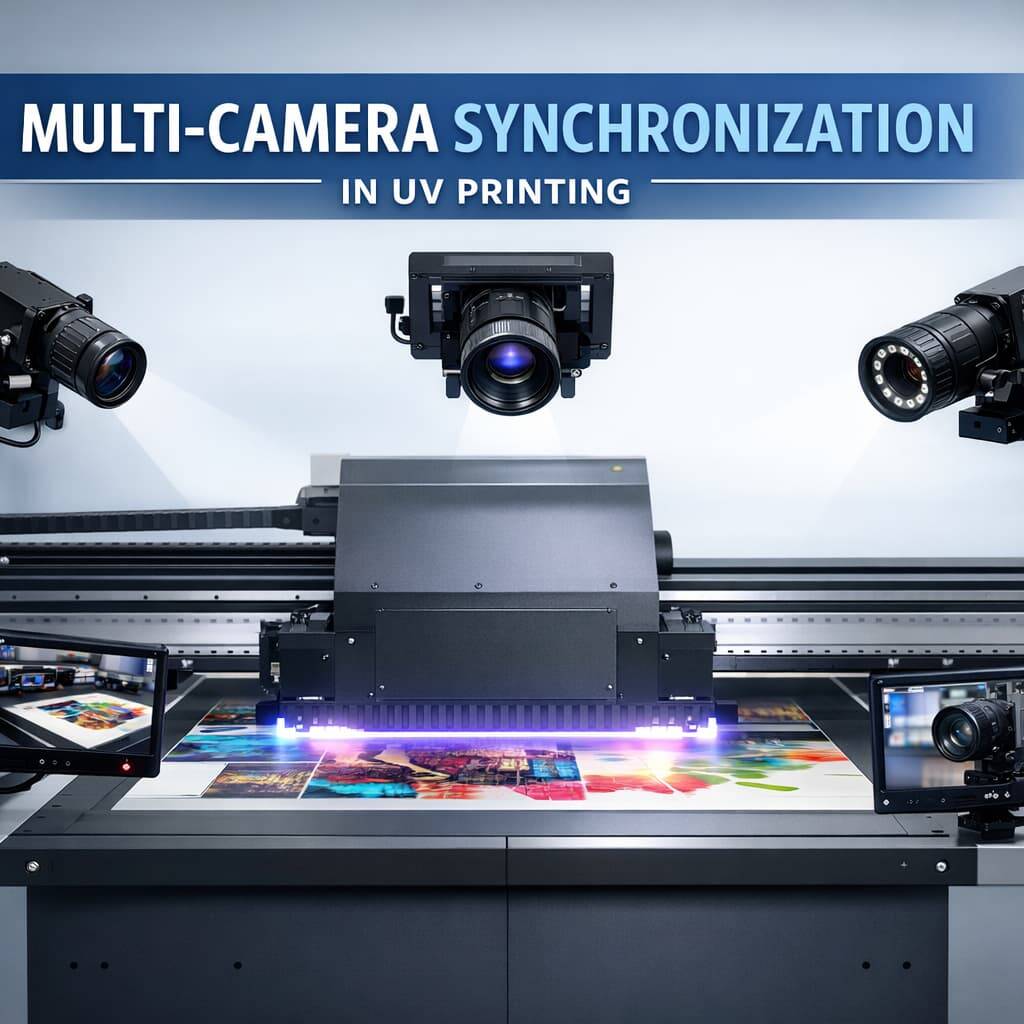
UV printing technology is evolving fast, and businesses today expect high accuracy, consistent quality, and faster production. One innovation that is reshaping modern UV printing workflows is multi-camera synchronization.
This technology allows printers to monitor the printing process in real time using multiple cameras working together. The result? Better alignment, accurate color output, reduced errors, and smoother production. In this article, we’ll break down how multi-camera synchronization works in UV printing, its key benefits, features, and how you can implement it successfully in your operation.
What Is Multi-Camera Synchronization in UV Printing?
Multi-camera synchronization is a system where multiple high-resolution cameras are strategically placed inside a UV printer to continuously track the printing process. These cameras capture real-time data related to registration, positioning, color accuracy, and substrate movement.
Instead of relying on manual inspection or single-point monitoring, the system provides a complete visual overview, allowing printers to detect and correct issues instantly.
How Multi-Camera Synchronization Works
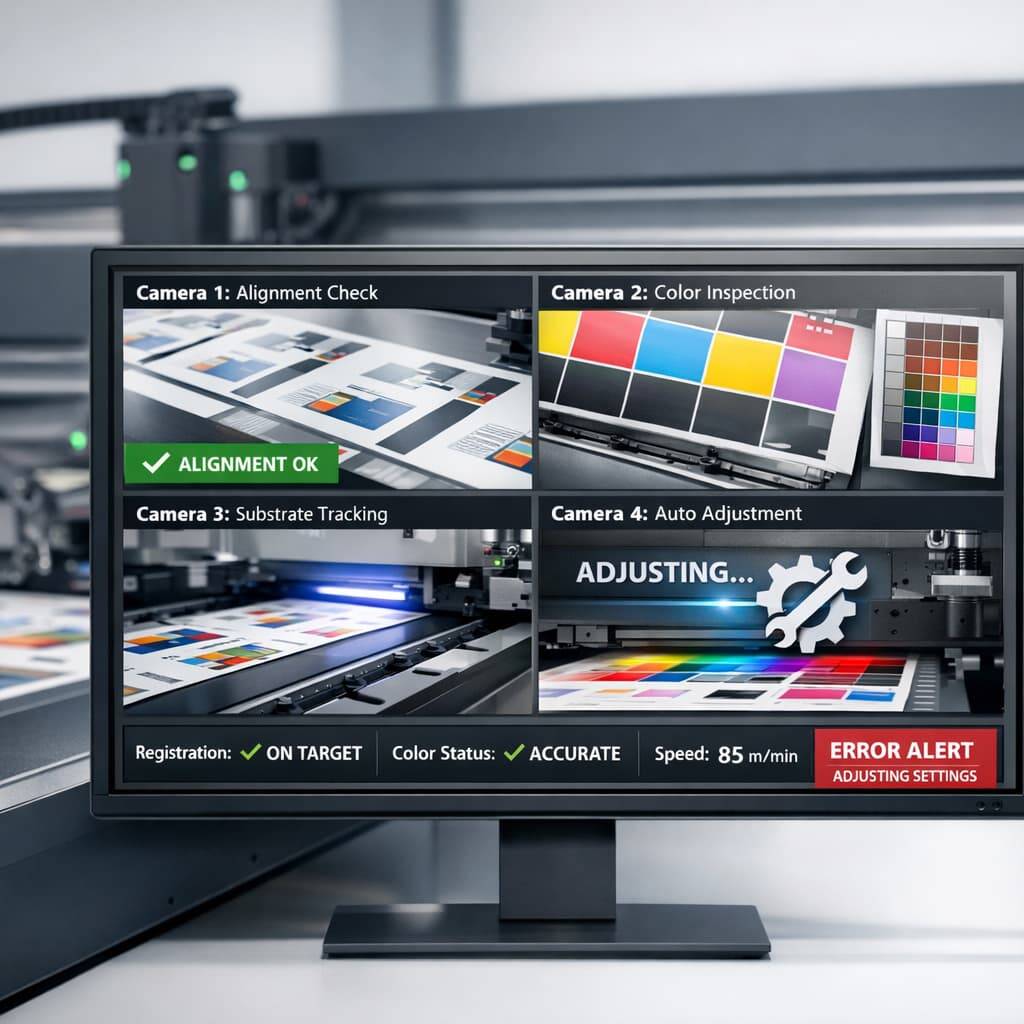
As the substrate moves through the UV printer, synchronized cameras capture images at precisely timed intervals. The captured data is sent to intelligent control software, which analyzes the output in real time.
If the system detects:
Misalignment
Registration errors
Color deviation
it automatically makes on-the-fly adjustments, ensuring that printing continues smoothly without stopping the production line.
Core Components of a Multi-Camera UV Printing System
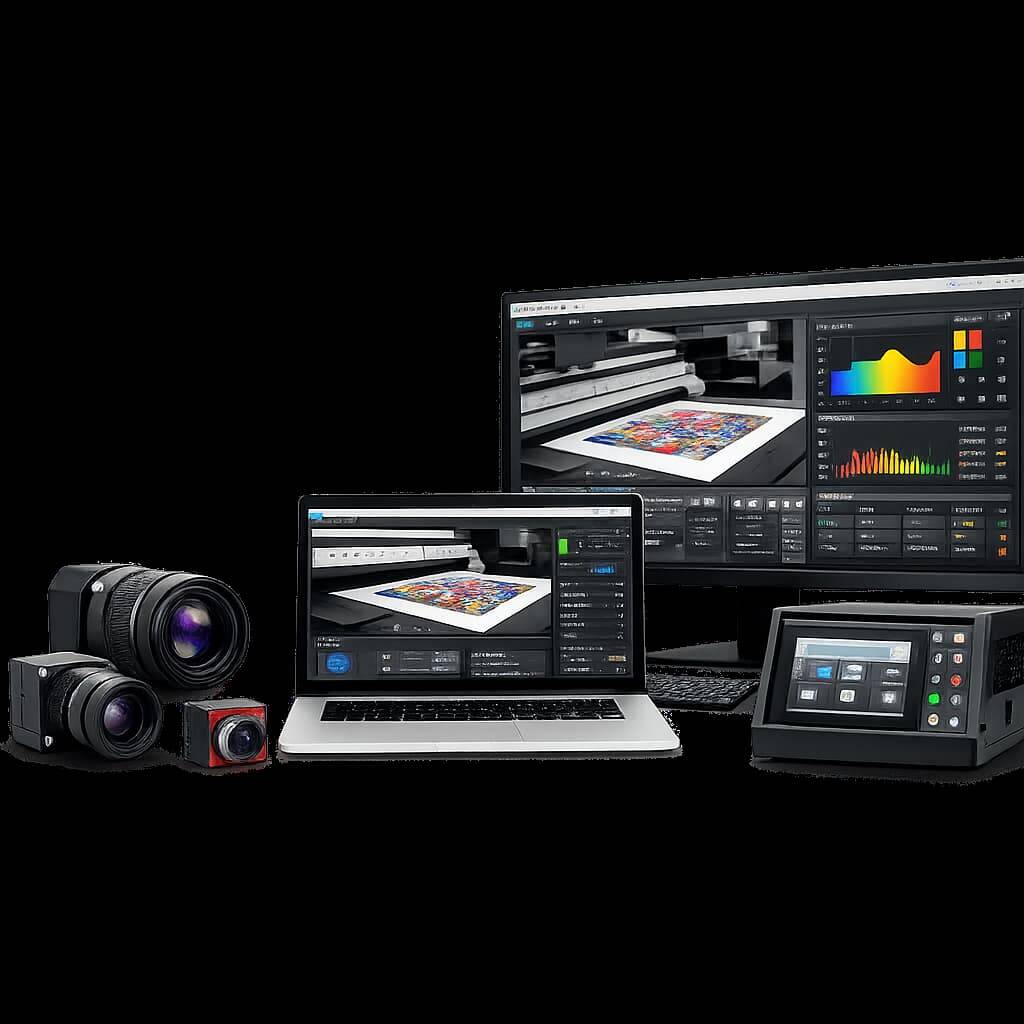
A reliable multi-camera synchronization setup typically includes the following elements:
High-Resolution Industrial Cameras
These cameras capture fine details of the printed surface, ensuring precise monitoring of print quality and alignment.
Intelligent Control Software
The software processes camera data, manages synchronization, and triggers automatic corrections when needed.
Real-Time Monitoring Interface
Operators can view live data, alerts, and performance metrics through a user-friendly dashboard.
Key Benefits of Multi-Camera Synchronization in UV Printing
1. Superior Print Accuracy and Consistency
Multiple cameras continuously track registration and positioning, eliminating common printing errors. This results in sharper prints and consistent output, even on complex designs.
2. Faster Production and Higher Efficiency
Since adjustments happen automatically in real time, there is less downtime and fewer reprints, allowing businesses to complete jobs faster.
3. Improved Color Control
Color consistency is critical in UV printing. Multi-camera systems help maintain accurate color reproduction across batches, ensuring client expectations are met every time.
4. Reduced Material Waste and Cost Savings
Fewer errors mean less ink, substrate, and labor waste, making the system highly cost-effective in the long run.
5. Compatibility with Multiple Applications
From labels and packaging to signage, UV boards, and decorative panels, multi-camera synchronization adapts easily to different materials and print formats.
Advanced Features of Modern Multi-Camera Systems
Real-Time Data Processing
Instant analysis allows operators to respond immediately to any irregularities during printing.
Easy-to-Use Operator Interface
Modern systems are designed for simplicity, so even operators with minimal technical background can manage the system confidently.
Automated Performance Reports
Built-in reporting tools generate insights on productivity, error rates, and operational trends, helping businesses optimize workflows.
Seamless Integration with Existing Equipment
Most systems can be added to current UV printers without major modifications, making upgrades hassle-free.
How to Implement Multi-Camera Synchronization Successfully
Step 1: Identify Your Production Challenges
Analyze your current workflow to identify issues such as misalignment, color inconsistency, or frequent reprints.
Step 2: Choose the Right Technology
Compare available multi-camera systems and ensure compatibility with your UV printer model and production needs.
Step 3: Train Your Team
Proper training ensures operators understand both system operation and data interpretation, maximizing the system’s benefits.
Step 4: Monitor, Analyze, and Optimize
After installation, continuously review system data to fine-tune processes and improve long-term performance.
Conclusion: Is Multi-Camera Synchronization Worth It?
Multi-camera synchronization is no longer a luxury—it’s a smart investment for UV printing businesses aiming for precision, speed, and reliability. By combining real-time monitoring with automation, this technology significantly enhances print quality while reducing costs and waste.
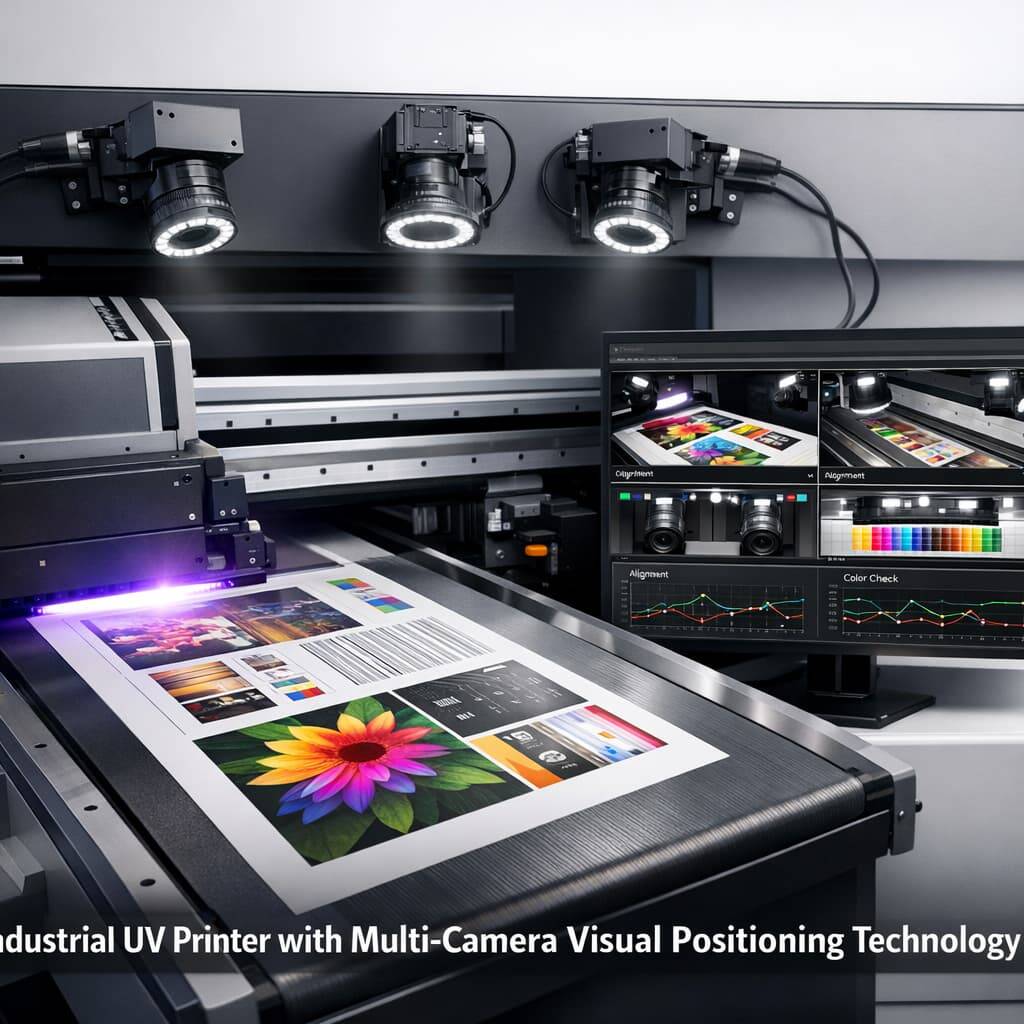
If you want to stay competitive in today’s fast-moving print industry, upgrading to visual positioning UV printers with multi-camera synchronization can redefine your production capabilities and customer satisfaction.explore our high-quality Visual Positioning UV printers here.
Frequently Asked Questions (FAQ)
What is multi-camera synchronization in UV printing?
It is a technology that uses multiple synchronized cameras to monitor and control the UV printing process in real time for better accuracy and quality.
How does it improve print quality?
The system instantly detects alignment and color issues and corrects them automatically, reducing errors and waste.
Is multi-camera synchronization expensive?
While the upfront cost may be higher, long-term savings from reduced waste, faster production, and fewer reprints make it cost-effective.
Can it work with existing UV printers?
Yes, many systems are designed for easy integration with existing UV printing equipment.
Which industries benefit the most from this technology?
Packaging, signage, labels, decorative panels, textiles, and industrial UV printing applications benefit greatly.