

 HOME
HOME PRODUCT CENTER
 ABOUT US
 DOWNLOAD CENTER
 SUPPORT CENTER
 SUBSCRIBE
 BLOG
BLOG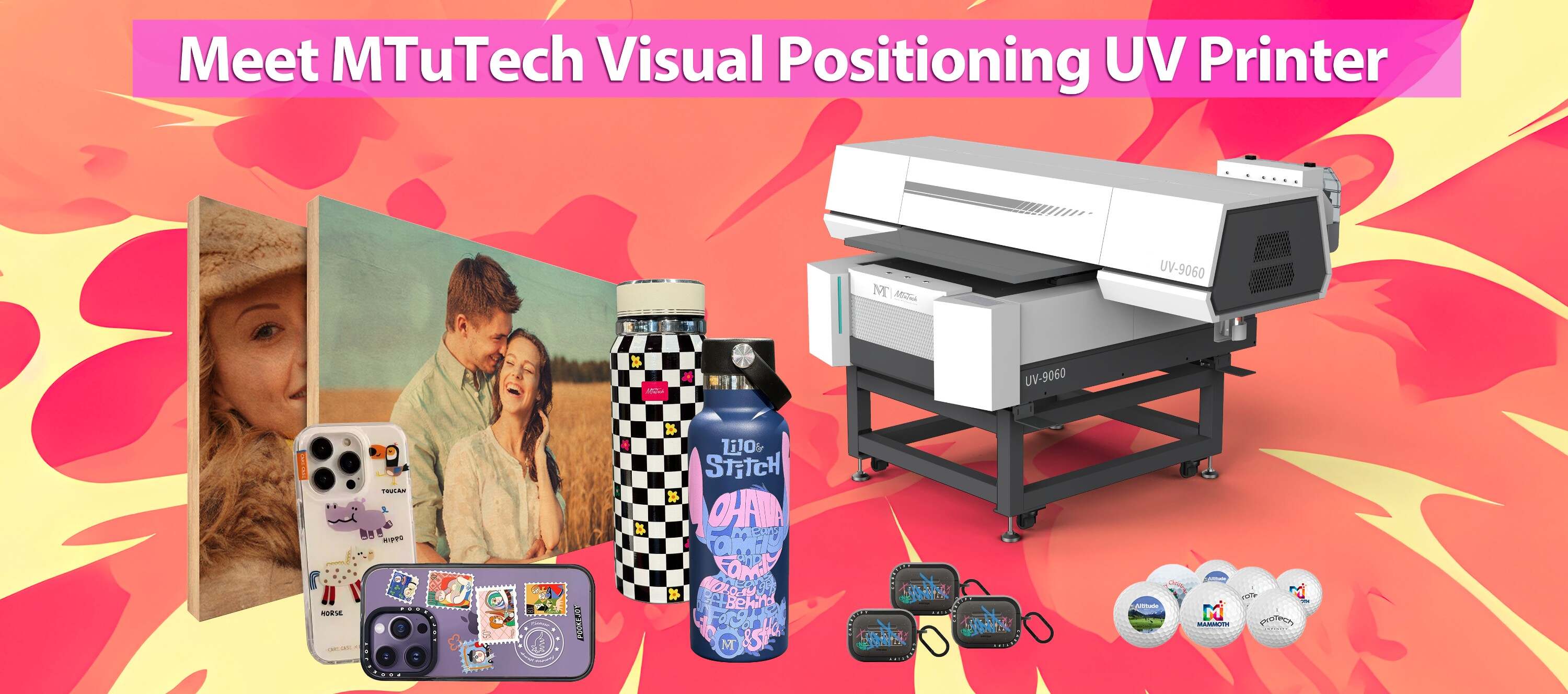
How 5G Connectivity Enables Remote Visual Positioning UV Printer Monitoring
Introduction
The evolution of printing technology has made significant strides in recent years, particularly with the advent of UV printers. These machines are known for their ability to deliver high-quality printing on various surfaces while curing ink instantly. As businesses seek greater efficiency and better quality control, the introduction of 5G connectivity into the realm of remote monitoring has opened new doors in operational capabilities, especially for Visual Positioning UV printers. In this post, we will explore how 5G technology enhances the monitoring and management of UV printers remotely, improving workflows, reducing downtime, and ensuring superior output quality.
The Role of 5G in Modern Printing
5G technology is the fifth generation of wireless communication, bringing unprecedented speed, reduced latency, and robust connectivity to various devices. This advancement is particularly significant for industries relying on real-time data and seamless communication, such as printing.
What Does 5G Offer?
·
Higher Speeds: 5G allows for faster data transfer rates, enabling quick communications between printers and monitoring systems.
·
·
Lower Latency: With minimal lag time, operators can manage printers remotely almost in real-time, allowing for instant reactions to any issues that may arise.
·
·
Increased Capacity: The technology can handle many more devices simultaneously, making it ideal for environments with multiple printers or connected devices.
·
·
Improved Reliability: 5G offers a more stable connection, which is essential for monitoring critical operations without interruptions.
·
What is Remote Visual Positioning?
Remote Visual Positioning refers to the use of cameras, sensors, and software applications to monitor and control UV printing processes from a distance. By integrating 5G technology, businesses can leverage this monitoring system effectively.
How Does Remote Visual Positioning Work?
The remote visual positioning system utilizes high-definition cameras and real-time data analytics to observe the printing process. Operators can monitor roll-to-roll alignment, color accuracy, and quality control parameters without being physically present. This capability is especially crucial for businesses with multiple printing locations or those operating in multiple shifts.
Benefits of 5G Connectivity for UV Printer Monitoring
The integration of 5G technology into remote monitoring of UV printers brings several benefits that positively impact productivity and quality control.
Enhanced Monitoring and Control
With 5G, remote operators can access detailed visual feeds and operational data from their printers. They can adjust settings, handle maintenance alerts, and even troubleshoot issues without needing to be onsite.
Increased Productivity
The combination of Visual Positioning and 5G leads to faster and more efficient workflows. Problems can be detected and addressed more swiftly, significantly reducing production delays. This agility can result in higher output volumes and better response times to client demands.
Cost Savings
By enabling remote monitoring, 5G reduces the need for on-site personnel, saving labor costs. Moreover, timely detection of issues prevents costly downtime and material wastage, significantly improving the bottom line.
Improved Quality Assurance
Quality control becomes streamlined with remote visual positioning. The ability to scrutinize prints in real-time means that any deviations from expected standards can be corrected immediately, resulting in consistently high-quality outputs.
Features of Remote Visual Positioning UV Printer Monitoring
When utilizing a remote visual positioning system for UV printer monitoring, several standout features enhance operational efficiency and effectiveness.
Real-Time Monitoring
Operators can monitor machines at all times, ensuring that they can respond quickly to problems as they arise. This access to real-time data means that any faults can be rectified immediately.
Comprehensive Data Analytics
5G-powered systems can collect and analyze data from many printers, providing insights into performance metrics, operational efficiencies, and wear patterns. By analyzing this data, organizations can make informed decisions to enhance production processes.
Remote Access and Control
With 5G, operators don’t need to be in the same location as their equipment. They can access the monitoring system via secure applications on their smartphones or computers, which facilitates easier management of printing processes from anywhere.
Integrating 5G with Visual Positioning Technologies
Integrating 5G with visual positioning technologies involves both hardware and software innovations. High-definition cameras, IoT devices for feedback, and cloud platforms for data management come together to create a seamless user experience.
Hardware Components
The essential components of an effective remote visual positioning system include:
·
High-quality Cameras: For accurate monitoring and imaging of printing processes.
·
·
IoT Sensors: To collect data regarding printer performance and environmental conditions.
·
·
Reliable Network Infrastructure: To support 5G connectivity.
·
Software Solutions
Advanced software platforms analyze collected data, provide real-time alerts, and offer remote access capabilities. These platforms often integrate with existing ERP systems to streamline workflows further.
Conclusion
The combination of 5G connectivity and remote visual positioning technology redefines how businesses manage their UV printing operations. The benefits of enhanced monitoring, reduced downtime, improved quality control, and cost savings make a solid case for adopting such systems in the competitive printing landscape. As technology continues to evolve, organizations that harness these advancements will undoubtedly maintain an edge in efficiency and customer satisfaction.
If you are looking to enhance your printing capabilities with cutting-edge technology, explore our high-quality Visual Positioning UV printers here.
FAQ
What makes 5G better than previous generations for printing applications?
5G delivers significantly higher speeds, reduced latency, and increased connectivity that allows for real-time monitoring and management of printers. This is essential for industries that require instant data feedback and control.
Can I use remote visual positioning with my existing printers?
Many modern printing systems can be upgraded with the necessary sensors and cameras to enable remote visual positioning. However, it’s crucial to ensure that your current infrastructure can support 5G connectivity.
How does remote monitoring impact overall print quality?
Remote monitoring ensures immediate feedback on print quality parameters, allowing operators to make adjustments in real-time and thereby consistently achieve high-quality outputs.
Are there any security concerns with remote monitoring systems?
As with any IoT technology, security is a concern. However, using secured networks and encrypted data transfer protocols can significantly mitigate risks, ensuring that sensitive data remains protected.
What industries can benefit from remote visual positioning UV printer monitoring?
Various industries such as packaging, textiles, sign-making, and industrial applications can benefit from enhanced monitoring and efficiency provided by 5G and visual positioning technologies.