

 HOME
HOME PRODUCT CENTER
 ABOUT US
 DOWNLOAD CENTER
 SUPPORT CENTER
 SUBSCRIBE
 BLOG
BLOGHow Visual UV Printers Power On-Demand Manufacturing
Manufacturing is no longer driven only by bulk production, long lead times, and large inventories. In today’s fast-moving market, businesses are expected to deliver customized products quickly, efficiently, and with minimal waste. This shift has given rise to on-demand manufacturing, a production model where items are created only when an order is placed.
One of the most impactful technologies enabling this transformation is the Visual UV printer. By combining high-precision imaging, UV curing technology, and digital workflows, visual UV printers allow manufacturers to produce customized, high-quality products instantly—without compromising speed or consistency.
This article explores in detail how visual UV printers are reshaping on-demand manufacturing, why they are becoming essential across industries, and how they contribute to cost efficiency, sustainability, and scalability in modern production environments.
What Is On-Demand Manufacturing?
On-demand manufacturing refers to a production approach where goods are produced only after receiving a customer order, rather than being mass-produced and stored in warehouses. This model prioritizes flexibility, customization, and responsiveness over volume.
Key Characteristics of On-Demand Manufacturing
Production starts after order confirmation
Minimal or zero inventory holding
High customization capability
Faster response to market trends
Reduced material and resource waste
On-demand manufacturing is especially relevant in industries where design changes frequently, personalization is important, or demand is unpredictable.
Understanding Visual UV Printers
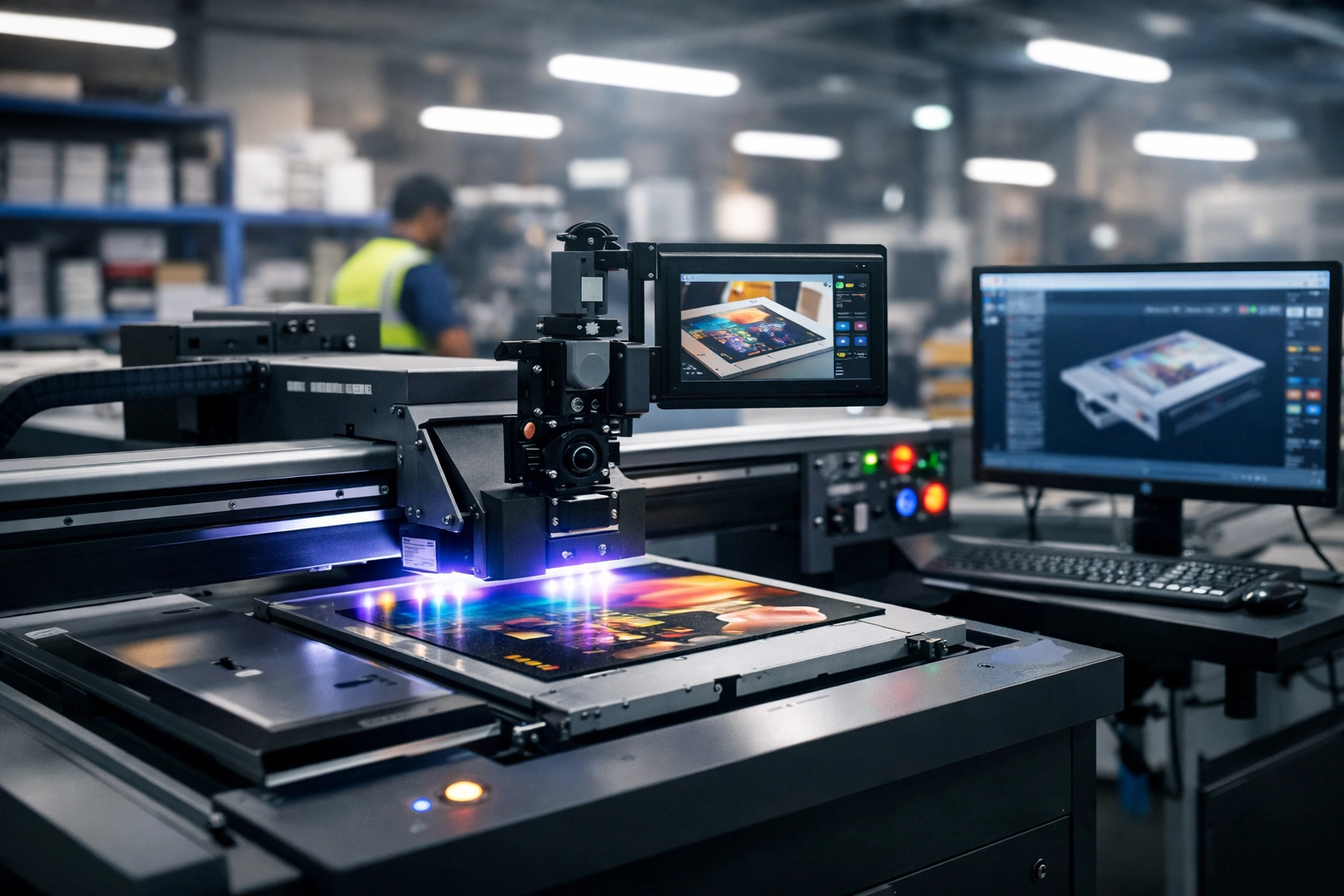
Visual UV printers are advanced digital printing machines that use ultraviolet light to instantly cure ink as it is printed onto a surface. What differentiates them from standard UV printers is the integration of visual positioning systems, such as cameras and software, that ensure extremely accurate placement of prints.
This visual alignment capability allows printers to detect object position, shape, and orientation in real time—making them ideal for non-standard, irregular, or pre-manufactured items.
How Visual UV Printing Works
The object or substrate is placed on the printer bed
The visual system scans and detects the exact position
Software aligns the artwork automatically
UV ink is printed directly onto the surface
UV lamps cure the ink instantly
The result is a sharp, durable, and perfectly aligned print with zero drying time.
Core Features That Make Visual UV Printers Ideal for On-Demand Manufacturing
1. Instant Curing for Faster Turnaround
Traditional printing often requires drying time, which slows down production. Visual UV printers cure ink instantly, allowing products to move directly to packaging or dispatch.
This instant curing dramatically reduces production cycles, making same-day or even same-hour fulfillment possible.
2. Precision Through Visual Positioning
Visual positioning systems eliminate manual alignment errors. Whether printing on pre-cut items, uneven shapes, or already assembled products, the printer adjusts automatically.
This precision is critical in on-demand manufacturing, where each item may differ slightly from the next.
3. Multi-Material Compatibility
Visual UV printers can print on a wide variety of materials, including:
Plastic
Acrylic
Glass
Wood
Metal
Leather
Ceramics
This flexibility allows manufacturers to offer diverse product ranges without investing in multiple machines.
4. High-Quality, Durable Output
UV inks are known for their resistance to scratching, fading, moisture, and chemicals. Products printed using visual UV technology maintain their appearance over time, even in demanding environments.
This durability is essential for on-demand products that must meet professional quality standards.
Why Visual UV Printers Are Transforming On-Demand Manufacturing
1. Enabling Mass Customization
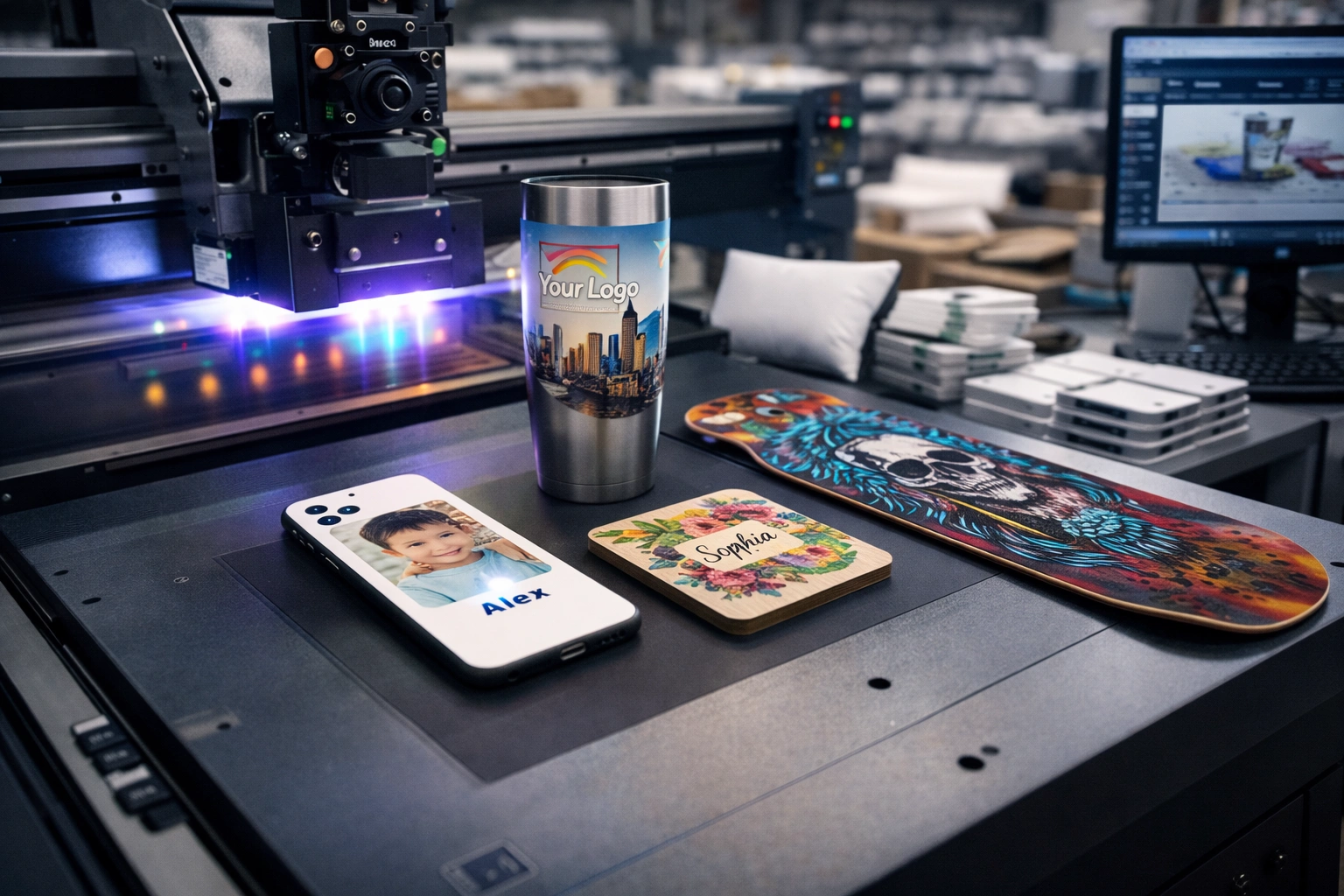
Consumers increasingly prefer products tailored to their identity—names, logos, artwork, or unique designs. Visual UV printers make mass customization practical and profitable.
Manufacturers can easily switch designs between orders without changing tools, plates, or setups.
2. Eliminating Inventory Pressure
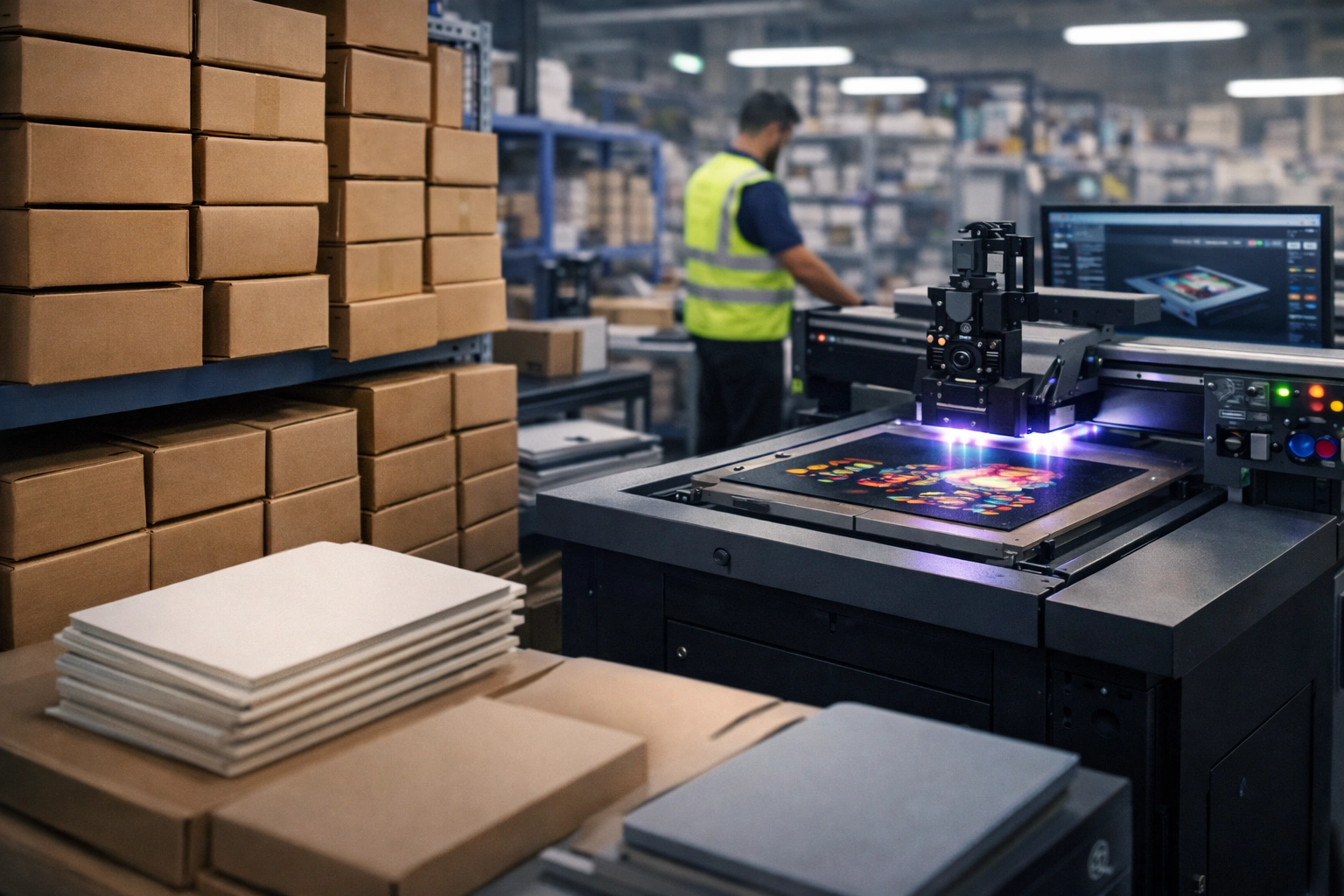
On-demand manufacturing reduces the need to store finished goods. With visual UV printers, businesses can keep blank substrates and print designs only when needed.
This approach lowers storage costs, reduces unsold stock, and improves cash flow.
3. Supporting Small Batch Production
Traditional manufacturing often requires minimum order quantities. Visual UV printing removes this barrier, allowing production of even a single unit profitably.
This is especially beneficial for startups, niche brands, and test launches.
4. Faster Product Development and Testing
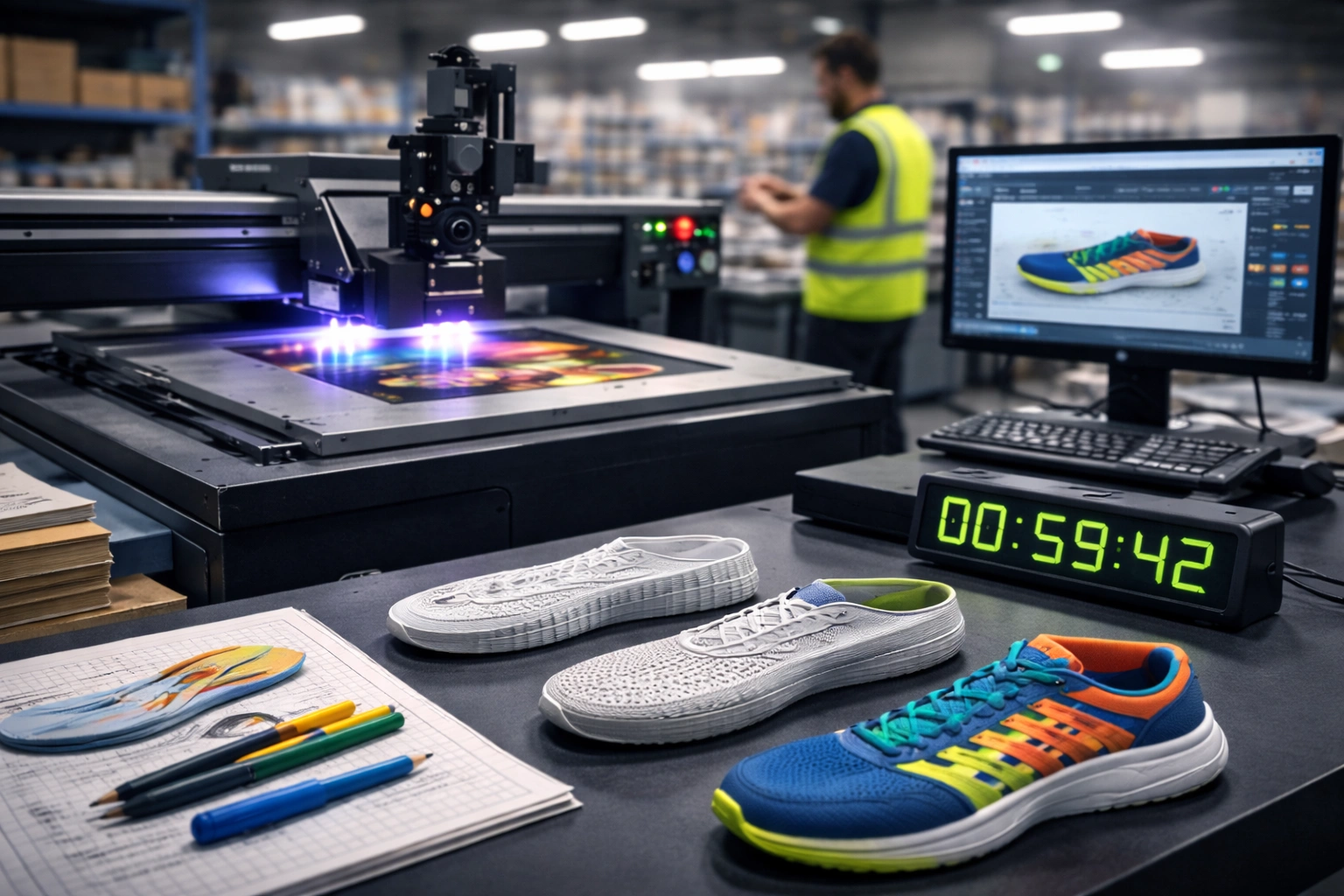
Visual UV printers enable rapid prototyping. Businesses can test designs, colors, and layouts quickly, gather feedback, and refine products before scaling.
This agility shortens product development cycles significantly.
Industry Applications of Visual UV Printers in On-Demand Manufacturing
Signage and Advertising
Visual UV printers are widely used for on-demand signage, including:
Custom boards
Indoor and outdoor displays
Promotional panels
Retail branding elements
The ability to print directly on rigid materials with vibrant colors makes them ideal for quick marketing campaigns.
Packaging and Branding
Brands now demand short-run, customized packaging. Visual UV printers allow direct printing on boxes, containers, and packaging components without labels or pre-printing.
This supports seasonal designs, limited editions, and personalized packaging.
Promotional Products and Corporate Gifting
From phone covers and keychains to bottles and awards, visual UV printing enables fast personalization of promotional items.
Companies can fulfill urgent corporate orders without maintaining large inventories.
Interior Décor and Custom Furnishings
Interior designers use visual UV printers for:
Custom wall panels
Decorative glass
Furniture surfaces
Personalized home décor
Each piece can be printed uniquely, matching client preferences exactly.
Electronics and Industrial Components
Visual UV printers are also used for marking and branding electronic components, control panels, and industrial parts where precision is critical.
Sustainability Benefits in On-Demand Manufacturing
Sustainability is no longer optional—it is a business necessity. Visual UV printers support eco-friendly manufacturing in several ways.
Reduced Waste
Producing only what is ordered minimizes overproduction and disposal of unsold goods.
Low VOC Emissions
UV inks emit fewer volatile organic compounds compared to solvent-based inks, improving workplace safety and environmental impact.
Energy Efficiency
Instant curing consumes less energy overall compared to long drying processes used in traditional printing.
Efficient Resource Utilization
Accurate printing reduces misprints and rejects, saving materials and ink.
Cost Considerations and ROI
Initial Investment
Visual UV printers generally require higher upfront investment than basic printing machines. However, this cost must be evaluated against long-term benefits.
Long-Term Savings
Lower inventory costs
Reduced labor for setup and alignment
Fewer rejected prints
Faster order fulfillment
Over time, these factors contribute to a strong return on investment.
Scalability Without Complexity
As demand grows, manufacturers can scale production simply by increasing order volume—without changing the production setup.
Challenges and How Businesses Overcome Them
Learning Curve
Operators need training to understand software, materials, and maintenance. Most manufacturers overcome this with structured onboarding and vendor support.
Material Testing
Not every substrate behaves the same. Testing and profiling materials is essential to achieve consistent quality.
Workflow Integration
To fully benefit from on-demand manufacturing, visual UV printers must integrate with order management and design systems.
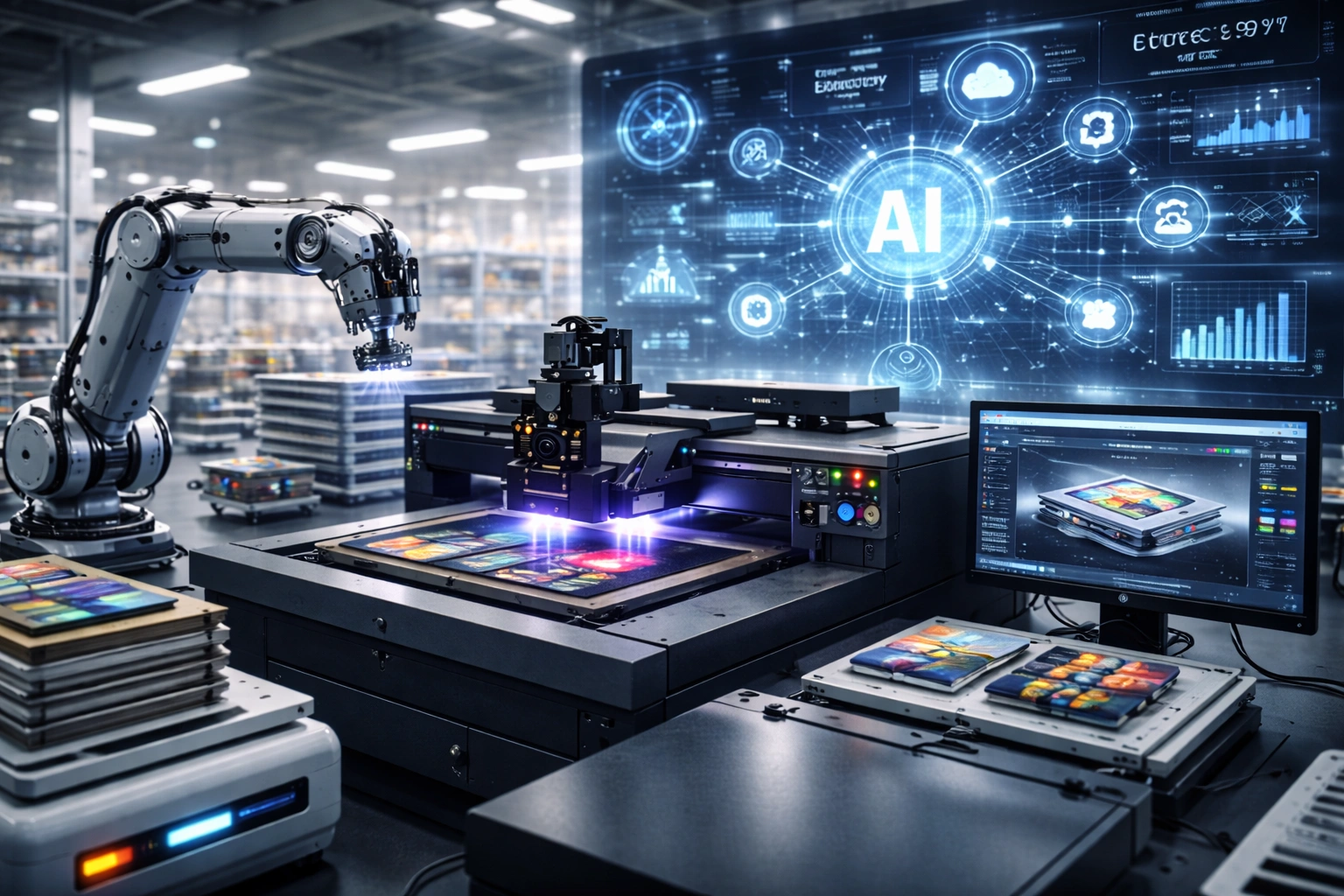
Future Trends in Visual UV Printing and On-Demand Manufacturing
The future of visual UV printing is closely tied to automation and digital integration.
Smarter Software Integration
AI-driven design alignment and error detection will further reduce manual intervention.
Faster and Larger Machines
Advancements in hardware will allow higher speeds and larger print areas without compromising accuracy.
Deeper Customization Capabilities
Variable data printing will make it easier to personalize each unit within a single production run.
Increased Adoption Across Industries
As costs become more accessible, visual UV printers will move beyond niche use and become standard equipment for modern manufacturers.
Conclusion
Visual UV printers have become a cornerstone of on-demand manufacturing. Their ability to combine speed, precision, customization, and sustainability makes them perfectly suited for today’s production demands.
By enabling rapid prototyping, reducing inventory risks, supporting mass customization, and maintaining high quality, visual UV printers empower businesses to adapt quickly in competitive markets.
As manufacturing continues to evolve toward smarter, leaner, and more customer-centric models, visual UV printing technology will play an increasingly vital role in shaping the future of production. explore our high-quality Visual Positioning UV printers here.
FAQs
What makes visual UV printers different from standard UV printers?
Visual UV printers use camera-based positioning systems that ensure precise alignment, especially for irregular or pre-made objects.
Are visual UV printers suitable for small businesses?
Yes, especially for businesses focused on customization, short runs, and premium products.
Do UV inks last long on printed products?
Yes, UV inks are highly durable and resistant to fading, scratching, and moisture.
Can visual UV printers handle frequent design changes?
Absolutely. Digital workflows allow instant switching between designs without setup delays.
Is on-demand manufacturing cost-effective in the long run?
Yes. Reduced inventory, lower waste, and faster turnaround contribute to strong long-term savings.