

 HOME
HOME PRODUCT CENTER
 ABOUT US
 DOWNLOAD CENTER
 SUPPORT CENTER
 SUBSCRIBE
 BLOG
BLOGReal-Time Data Logging in Visual Positioning UV Printers
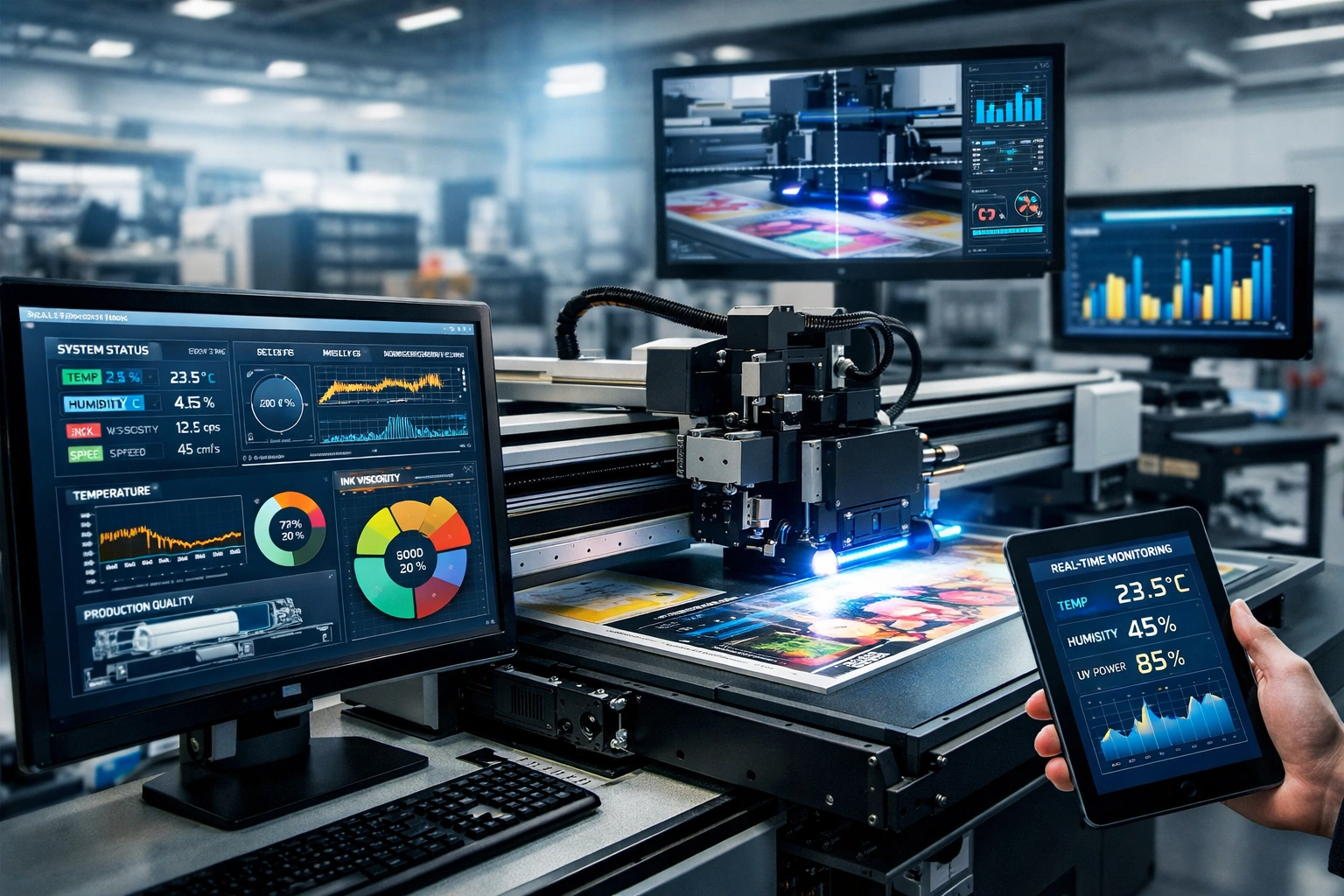
The digital printing industry is evolving at an unprecedented pace, driven by increasing demand for precision, speed, customization, and consistent quality. Among the most advanced innovations shaping this transformation are Visual Positioning UV printers, which combine ultraviolet curing technology with camera-based positioning systems to achieve extremely accurate print results on complex and irregular substrates.
As competition intensifies and production margins become tighter, print businesses are no longer relying solely on hardware performance. Instead, they are turning toward data-driven printing environments to gain operational intelligence, reduce waste, and ensure consistent output. One of the most impactful developments in this direction is real-time data logging.
Real-time data logging allows Visual Positioning UV printers to continuously record, analyze, and respond to critical operational parameters during the printing process. Rather than reacting to defects after they occur, operators can proactively identify risks, fine-tune workflows, and maintain stable production conditions at all times.
This article explores real-time data logging in Visual Positioning UV printers in depth—covering how it works, why it matters, its key benefits, technical components, challenges, and its long-term role in the future of smart printing.
Understanding Visual Positioning UV Printers
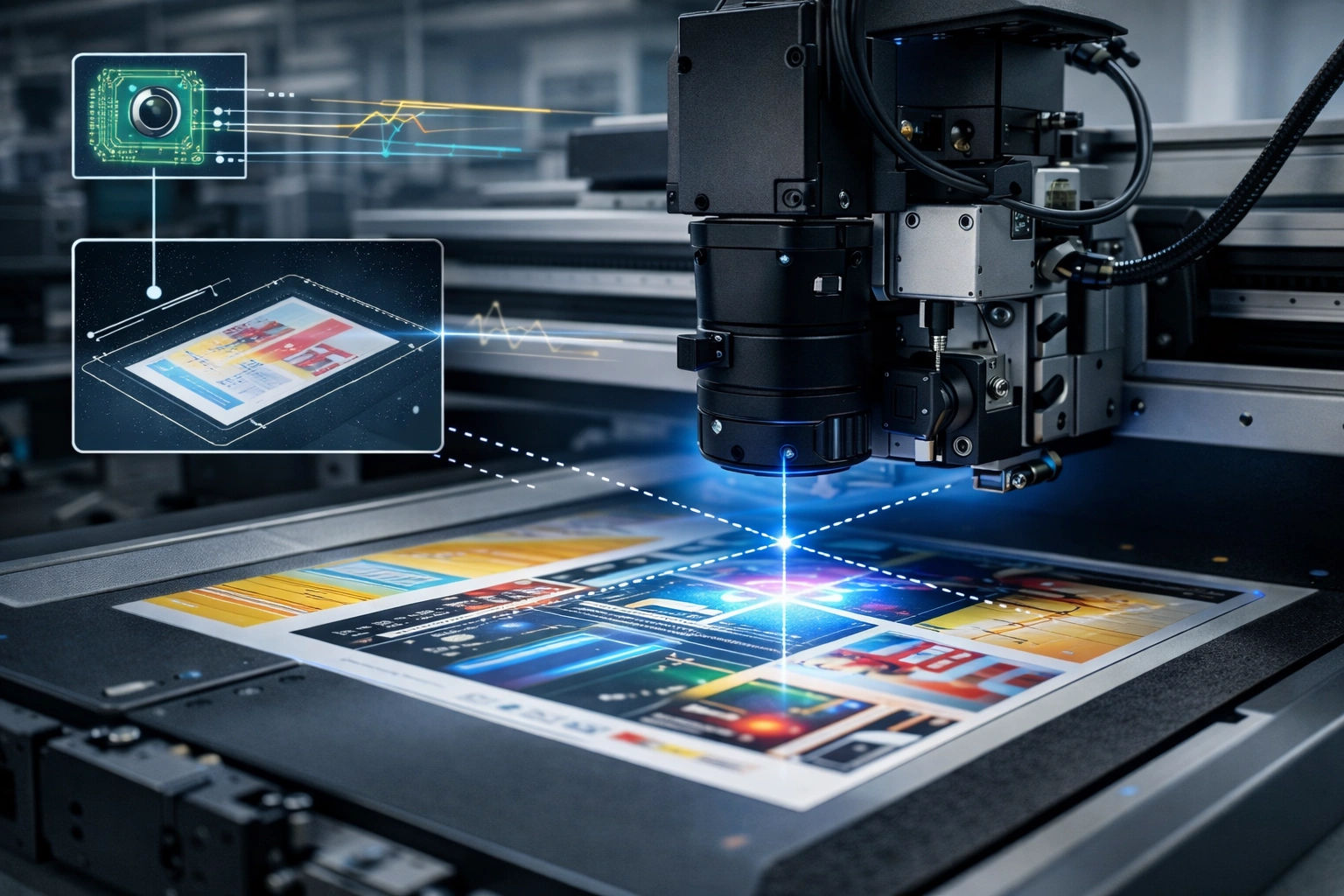
Visual Positioning UV printers represent a significant leap beyond conventional flatbed or roll-to-roll printers. These systems integrate high-resolution cameras and vision algorithms that detect the exact position, shape, and orientation of substrates before and during printing.
Unlike traditional printers that rely on fixed coordinates, Visual Positioning UV printers dynamically adjust print placement in real time. This allows accurate printing on pre-cut materials, irregular shapes, transparent objects, and variable-position items without the need for physical jigs or alignment fixtures.
Core Characteristics of Visual Positioning UV Printers
UV-curable inks that instantly harden under ultraviolet light
Camera-based positioning systems for precise alignment
Dynamic print path correction
Support for mixed batches and variable designs
High repeatability and minimal material waste
While these features deliver exceptional print accuracy, their true potential is unlocked when combined with real-time data logging, which ensures every component operates under optimal conditions.
What Is Real-Time Data Logging?
Real-time data logging refers to the continuous collection, recording, and analysis of operational data during the printing process. Instead of storing information only after a job is completed, data is captured live—often multiple times per second.
This data is processed by embedded software systems that either alert operators, adjust machine parameters automatically, or store the information for future analysis.
In Visual Positioning UV printers, real-time data logging acts as the digital nervous system, constantly monitoring machine health, environmental conditions, and print behavior.
Why Real-Time Data Logging Is Essential in Modern Printing
The complexity of Visual Positioning UV printing makes manual monitoring insufficient. Small changes in environmental or mechanical conditions can significantly impact print quality, alignment accuracy, and ink curing performance.
Real-time data logging addresses this challenge by enabling continuous visibility and instant response.
Key Reasons It Matters
Printing tolerances are extremely tight
Substrates vary widely in shape and material
UV ink behavior is sensitive to environmental changes
Downtime and reprints are costly
Customers demand zero-defect output
By capturing and acting on data as events occur, printers gain full control over these variables.
Types of Data Logged in Visual Positioning UV Printers
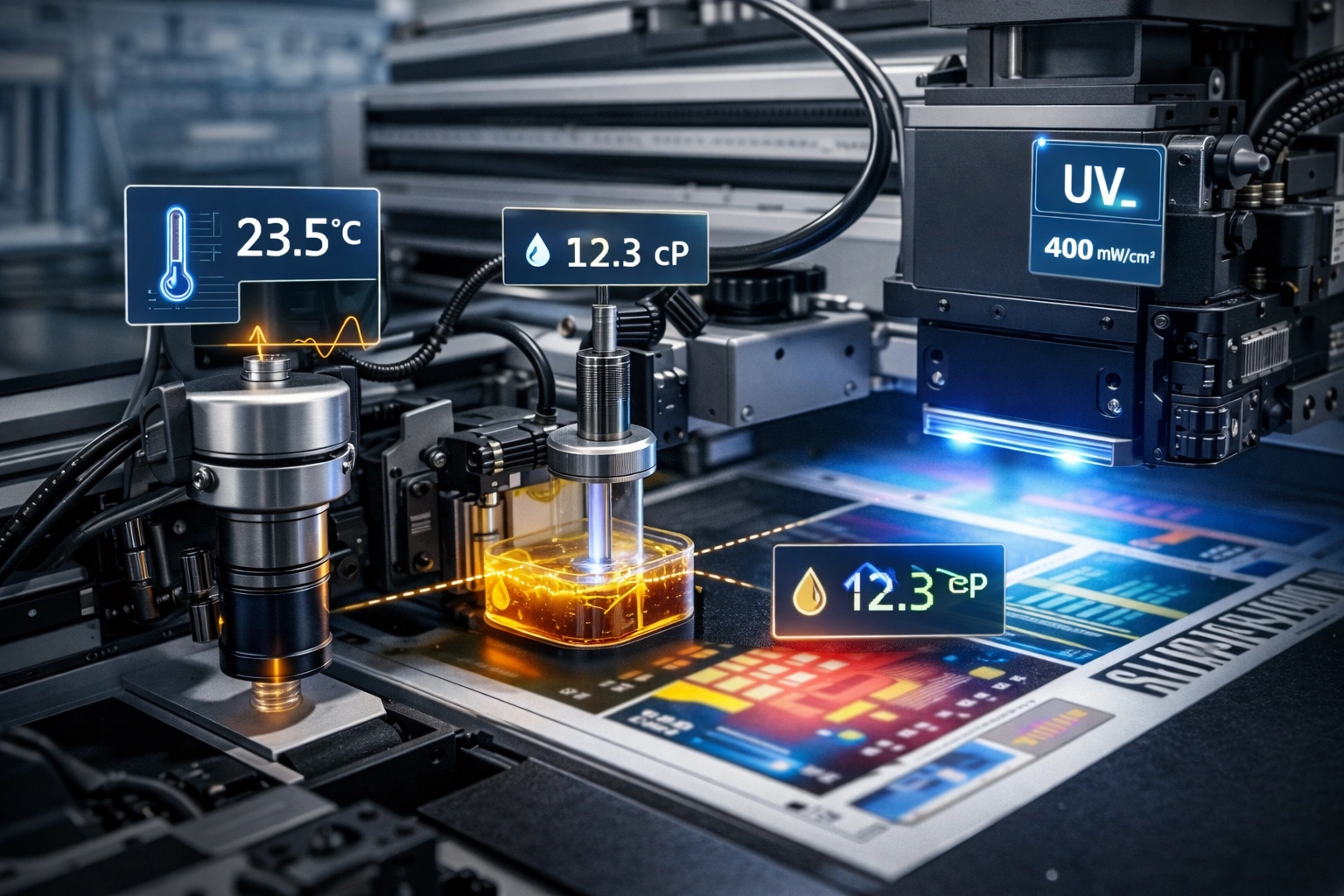
Real-time data logging systems collect a wide range of parameters that influence print quality and machine performance.
Environmental Data
Ambient temperature
Relative humidity
Airflow conditions
Environmental stability is critical for consistent ink adhesion and curing.
Ink and Curing Data
Ink viscosity
Ink temperature
UV lamp intensity
Exposure duration
These values directly affect color accuracy, gloss levels, and durability.
Mechanical and Motion Data
Print head speed
Carriage acceleration
Axis alignment
Motor load and vibration
Mechanical deviations can lead to banding, misregistration, or blurred prints.
Vision System Data
Camera calibration status
Object detection accuracy
Positional correction values
Recognition error rates
This data ensures visual positioning remains precise throughout production.
Benefits of Real-Time Data Logging in Visual Positioning UV Printers
Enhanced Print Quality and Consistency
Real-time monitoring ensures that print parameters remain within predefined tolerances. If ink viscosity drifts or UV intensity drops, the system can immediately correct the issue or alert the operator.
This leads to:
Uniform color reproduction
Precise image alignment
Reduced print defects
Higher customer satisfaction
Predictive Quality Control
Rather than inspecting finished prints, data logging enables predictive quality control. Trends in sensor data often reveal problems before visible defects appear.
For example, gradual temperature increases may indicate cooling inefficiencies that could affect ink curing later in the shift.
Operational Efficiency and Productivity Gains
Automated Parameter Adjustments
Advanced printers can use logged data to automatically fine-tune settings such as print speed, curing intensity, or ink flow. This reduces dependency on manual adjustments and operator experience.
Reduced Downtime
By detecting anomalies early, maintenance teams can intervene before failures occur. Predictive alerts prevent unexpected stoppages and extend component lifespan.
Optimized Resource Usage
Real-time insights help minimize ink waste, energy consumption, and material scrap—directly improving profitability.
Data-Driven Decision Making
Performance Analysis Over Time
Historical data reveals patterns related to productivity, defects, and maintenance frequency. Managers can identify:
Bottlenecks in workflows
Inefficient job setups
High-cost error sources
Process Optimization
Continuous data analysis supports smarter process improvements, such as refining print profiles for specific substrates or optimizing batch sequencing.
Operator Training and Standardization
Logged data provides a factual basis for training new operators. Best-performing settings and workflows can be documented and standardized across shifts or locations.
Software Systems Supporting Real-Time Data Logging
Centralized Dashboards
Modern printers feature dashboards displaying live metrics such as temperature, ink status, camera alignment, and machine load. These dashboards simplify decision-making and reduce reaction time.
Alerts and Notifications
Threshold-based alerts notify operators of abnormal conditions via on-screen warnings, emails, or mobile notifications.
Analytics and Reporting Tools
Advanced analytics convert raw data into actionable insights, including trend graphs, performance summaries, and efficiency reports.
Cloud-Based Data Logging Solutions
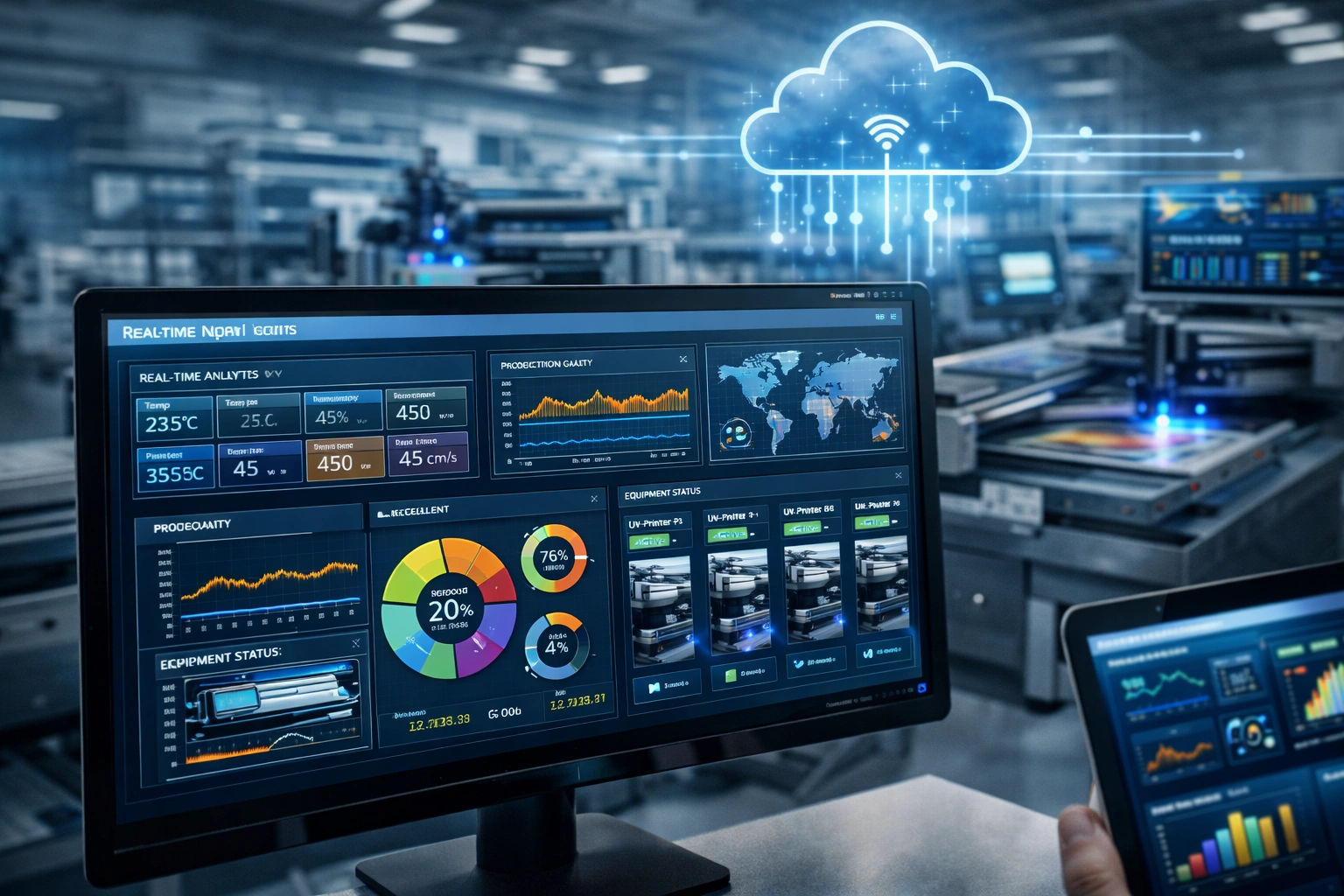
Many Visual Positioning UV printers now support cloud-connected data logging, enabling remote access and centralized monitoring.
Advantages of Cloud Integration
Remote performance tracking
Multi-location production oversight
Secure data backup
Easier software updates
Scalability and Collaboration
Cloud platforms scale effortlessly as production grows, allowing multiple stakeholders—operators, managers, and service teams—to collaborate using shared data.
Challenges of Implementing Real-Time Data Logging
Initial Investment Costs
High-quality sensors, software platforms, and connectivity infrastructure require upfront investment. However, long-term gains in efficiency and reduced waste typically outweigh these costs.
Data Overload
Excessive data without proper filtering can overwhelm operators. Successful implementations focus on actionable metrics, not raw data volume.
Cybersecurity Considerations
Connected printers must be protected against unauthorized access. Secure authentication, encryption, and access controls are essential.
Best Practices for Successful Implementation
Define clear goals for data usage
Prioritize critical parameters
Use dashboards with simple visual indicators
Train operators to interpret data correctly
Regularly review and refine data strategies
The Future of Real-Time Data Logging in UV Printing
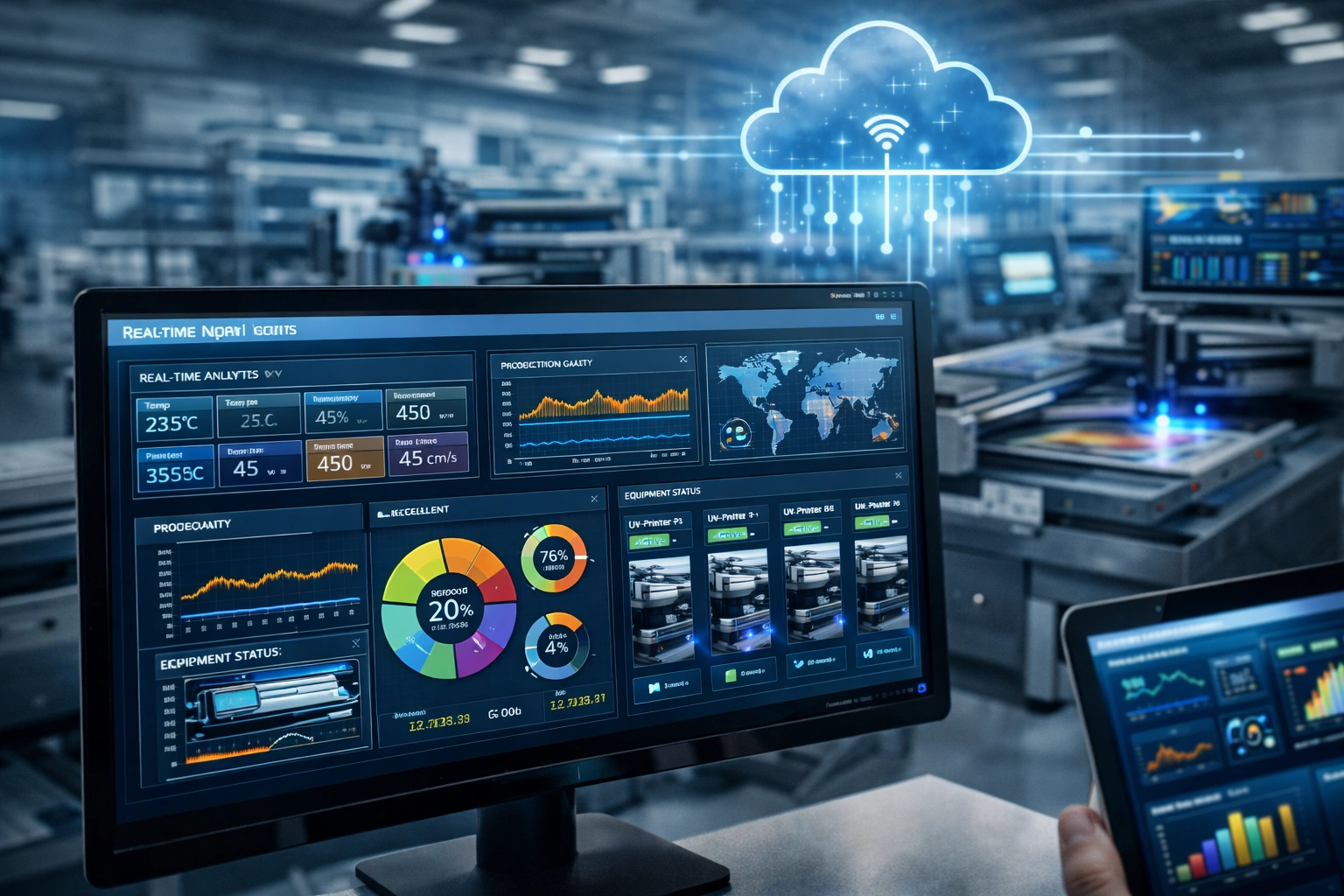
As printing technology continues to advance, real-time data logging will become even more intelligent.
AI and Machine Learning Integration
Future systems will not only detect problems but predict optimal settings for each job using machine learning models trained on historical data.
Fully Autonomous Printing Systems
Data-driven automation will enable printers to self-correct, self-optimize, and schedule maintenance without human intervention.
Industry 4.0 and Smart Factories
Real-time data logging positions Visual Positioning UV printers as core components of smart manufacturing ecosystems.
Conclusion
Real-time data logging is no longer an optional feature in Visual Positioning UV printers—it is a strategic necessity. By providing continuous visibility into machine behavior, environmental conditions, and print performance, it transforms printing from a reactive process into a proactive, intelligent workflow.
From improved print quality and reduced waste to predictive maintenance and data-driven decision-making, real-time data logging empowers print businesses to operate with confidence, consistency, and scalability.
Companies that invest in this technology today are not just improving their current operations—they are future-proofing their production capabilities for the next generation of digital printing. explore our high-quality Visual Positioning UV printers here
Frequently Asked Questions (FAQ)
What is real-time data logging in Visual Positioning UV printers?
It is the continuous monitoring and recording of operational parameters during printing to ensure optimal performance and quality.
How does real-time data logging improve print quality?
It allows immediate detection and correction of deviations, maintaining stable printing conditions.
What types of data are logged?
Environmental conditions, ink behavior, mechanical performance, and vision system accuracy.
Is real-time data logging expensive to implement?
Initial costs exist, but long-term savings from reduced waste and downtime typically outweigh them.
Can real-time data logging increase productivity?
Yes, by enabling automation, reducing errors, and optimizing workflows, it significantly boosts efficiency.