

 HOME
HOME PRODUCT CENTER
 ABOUT US
 DOWNLOAD CENTER
 SUPPORT CENTER
 SUBSCRIBE
 BLOG
BLOG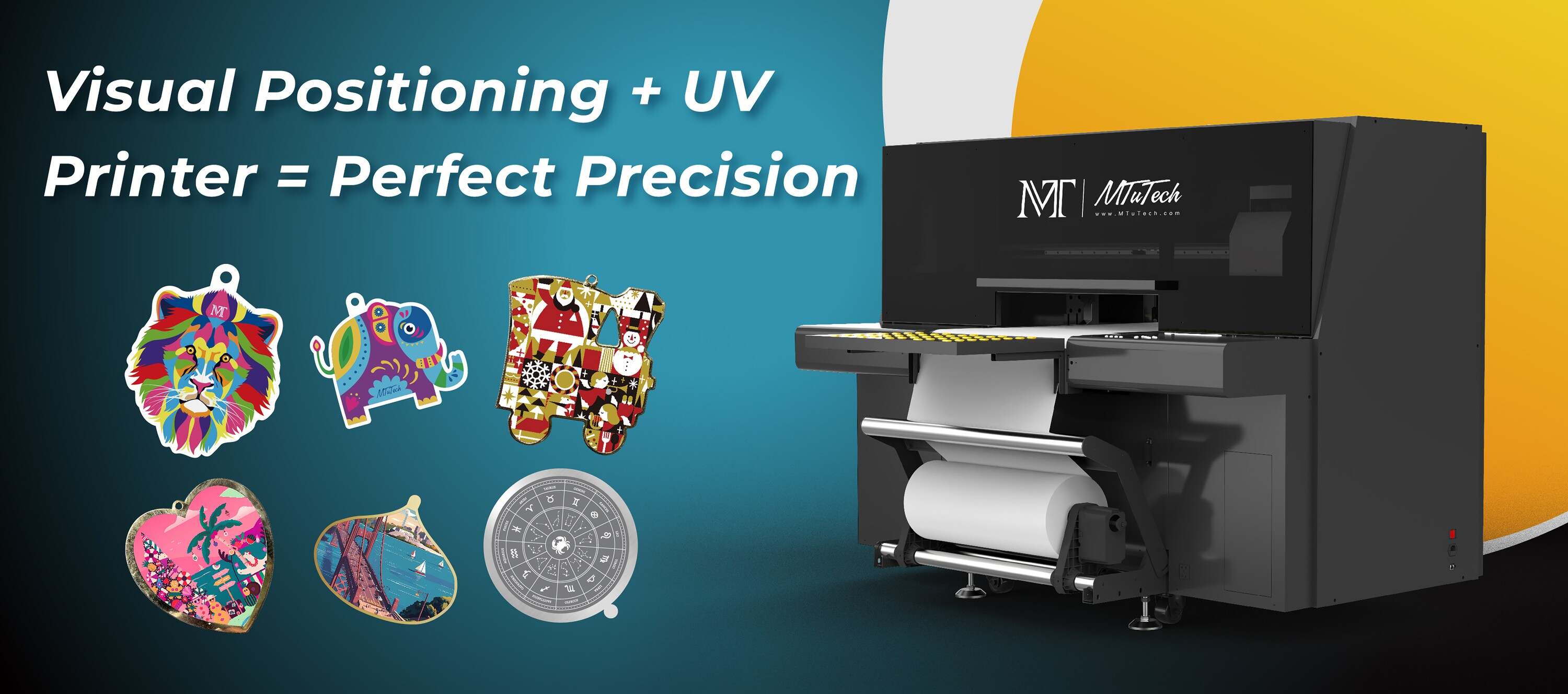
Visual Positioning UV Printer Integration with ERP and MES Systems
Introduction
In today’s fast-paced manufacturing and printing environments, achieving precision and efficiency is more critical than ever. Visual Positioning UV printers represent a significant advancement in printing technology, ensuring high-quality results with remarkable accuracy. However, to fully harness the capabilities of these printers, integration with Enterprise Resource Planning (ERP) and Manufacturing Execution Systems (MES) is essential. This blog will delve into the importance of integrating Visual Positioning UV printers with ERP and MES systems, exploring their benefits, features, and necessary considerations.
Understanding Visual Positioning UV Printers
Visual Positioning UV printers utilize advanced imaging technology to print on various media with precise alignment. This technology ensures that every print job is executed flawlessly, dramatically reducing waste and errors. Equipped with UV light, these printers cure the ink instantly, leading to faster production times and the ability to print on challenging surfaces. The integration of these printers into existing systems can streamline operations, improve productivity, and enhance overall quality.
Benefits of Integrating UV Printers with ERP and MES Systems
1. Enhanced Accuracy and Quality Control
Integrating Visual Positioning UV printers with ERP and MES systems drastically improves accuracy. As these systems communicate in real-time, the printers receive precise job specifications, minimizing misprints and quality issues. This direct communication ensures that every print job adheres to the specified requirements.
2. Streamlined Workflow Management
Integration helps streamline the entire workflow process. By syncing data between the UV printers and management systems, manufacturers can ensure that each operational step—from procurement to production—is effectively coordinated. This seamless workflow reduces delays and enhances productivity.
3. Inventory Management Optimization
When UV printers are integrated with ERP systems, manufacturers can efficiently track inventory levels and materials. This integration allows for automated reordering of supplies, helping to maintain consistent production schedules and avoid downtime due to material shortages.
4. Real-Time Monitoring and Reporting
Integration with MES systems enables real-time monitoring of the printing process. Managers can track printer performance, analyze production metrics, and identify potential bottlenecks. This data is invaluable for continuous improvement and decision-making.
Key Features of Integrated UV Printing Systems
1. Direct Job Transfer
Integrated systems allow for the direct transfer of print jobs from the ERP system to the UV printer. This automation reduces the need for manual input, minimizing human error and accelerating job processing times.
2. Customizable Print Settings
ERP and MES integration enables customizable settings for various print jobs. Users can easily adjust parameters based on the specific requirements of each project, ensuring optimal results every time.
3. Centralized Control Dashboard
A unified control dashboard provides a comprehensive view of the entire production process. This feature allows operators to manage print jobs, monitor printer statuses, and oversee inventory levels from a single interface.
4. Data Analytics and Insights
With integrated systems, manufacturers have access to sophisticated data analytics. This data can reveal insights into production efficiencies, material usage, and potential areas for cost reduction.
Considerations for Successful Integration
1. Compatibility and System Requirements
Before integration, it’s essential to assess the compatibility of existing ERP and MES systems with the Visual Positioning UV printer. Understanding system requirements and technical specifications is crucial for a smooth implementation process.
2. Employee Training
Training employees on the new integrated system is vital for maximizing efficiency. Proper training ensures that staff can operate the UV printers and utilize the ERP and MES systems effectively.
3. Cybersecurity Measures
As with any technological integration, cybersecurity should be a top priority. Protecting sensitive data and ensuring the integrity of the systems must be a key consideration during and after the integration process.
Conclusion
Integrating Visual Positioning UV printers with ERP and MES systems is a transformative step for manufacturers looking to enhance their operational efficiency, accuracy, and quality control. The benefits of such integration are profound, from streamlined workflows to real-time monitoring capabilities. By understanding the key features and considerations for successful integration, manufacturers can fully leverage the advantages that this advanced printing technology offers. To explore our high-quality Visual Positioning UV printers, click here.
FAQ
What is Visual Positioning Technology in UV printing?
Visual Positioning Technology uses imaging systems to ensure precise alignment and placement of printed graphics, resulting in high accuracy and reduced waste.
How does integration with ERP systems benefit manufacturers?
Integration with ERP systems enhances accuracy, streamlines workflows, optimizes inventory management, and supports real-time monitoring, ultimately improving overall productivity.
What are the challenges of integrating UV printers with MES systems?
Challenges may include ensuring compatibility between systems, managing employee training, and implementing adequate cybersecurity measures to protect data integrity.
Can Visual Positioning UV printers be used for various media types?
Yes, these printers can print on a wide range of media, including non-porous surfaces, thanks to their UV curing technology, making them highly versatile for different applications.
How can data analytics improve UV printing operations?
Data analytics provide insights into production efficiencies and material usage, allowing for better decision-making and cost reduction strategies in printing operations.