

 HOME
HOME PRODUCT CENTER
 ABOUT US
 DOWNLOAD CENTER
 SUPPORT CENTER
 SUBSCRIBE
 BLOG
BLOG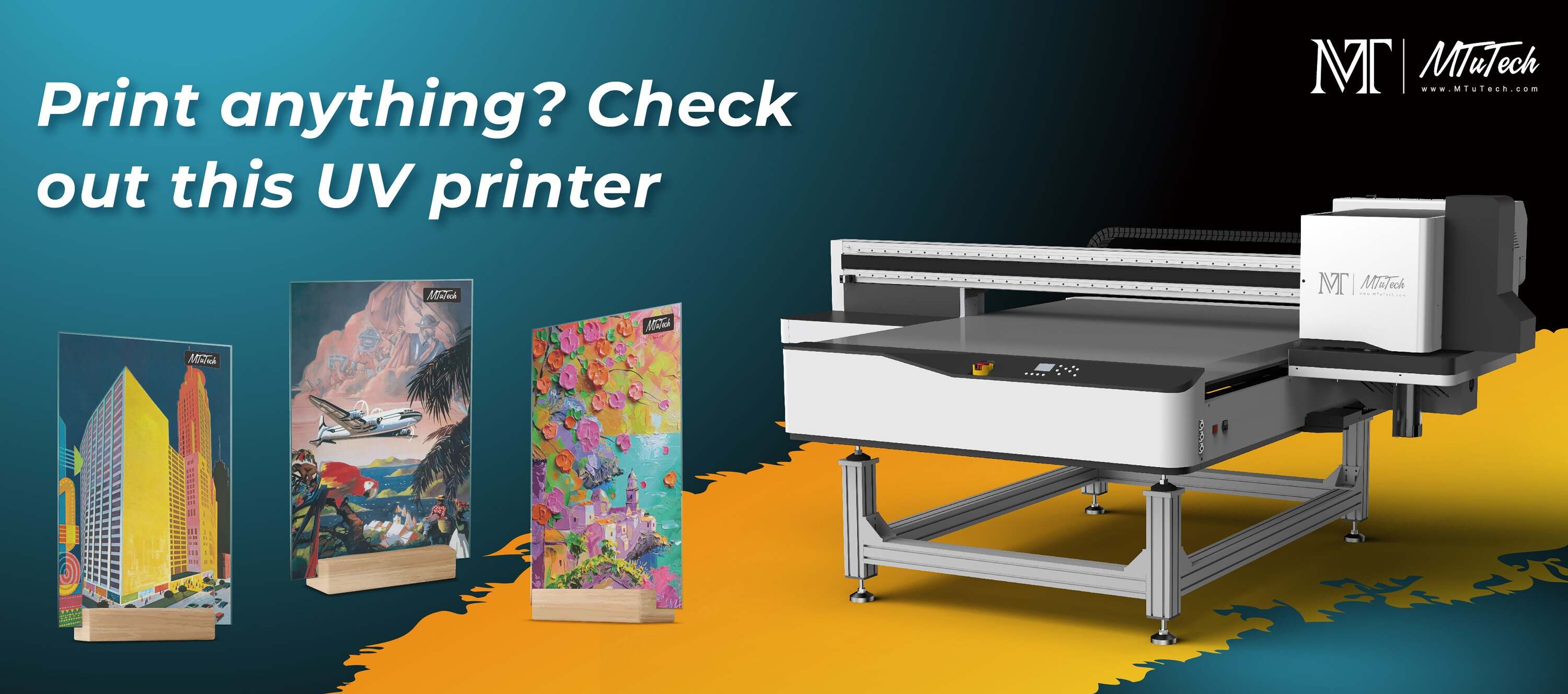
Visual Positioning UV Printer Patents Expiring: What It Means for Pricing
Introduction
The printing industry has undergone significant transformations over the past two decades, with advancements in technology driving innovations that improve efficiency, quality, and versatility. One of the prominent advancements has been in the realm of UV printers, specifically Visual Positioning UV Printers. As their patents begin to expire, a new wave of implications emerges — particularly on pricing. This blog explores what the expiration of these patents means for the market landscape, manufacturers, and consumers alike.
Understanding Visual Positioning UV Printers
Visual Positioning UV Printers utilize cutting-edge technology to ensure precise placement of ink on various substrates, including plastics, metals, and glass. This precision is achieved through advanced imaging systems that provide exact positioning, leading to minimal waste and high-quality results. Over the years, these printers have garnered attention for their ability to handle complex designs and produce vibrant graphics that withstand the test of time.
The Patent Landscape
What Are Patents?
Patents are intellectual property rights that grant inventors exclusive control over their inventions for a specific period, usually 20 years. This exclusivity fosters innovation, allowing companies to invest in new technologies without the immediate threat of competition. However, when patents expire, the technology becomes accessible to other manufacturers.
Timeline of Expiration
The patents governing Visual Positioning UV Printer technologies, which have been instrumental in shaping the current market, are nearing expiration. As these patents lapse, we can expect a ripple effect throughout the entire printing industry.
The Impact on Pricing
One of the most significant implications of patent expirations is their effect on pricing. Here’s a closer look at how the availability of new competitors and technologies influences the market.
Increased Competition
As patents expire, new players can enter the market without the burden of costly licensing fees. This increased competition often leads to a reduction in prices as companies vie for market share. Here are some key impacts:
·
Price Reduction: With more manufacturers producing similar products, prices are likely to drop, making advanced UV printing technology more accessible to businesses of all sizes.
·
·
Product Diversity: More competitors in the market will lead to a wider range of products, each with unique features, allowing customers to choose the best fit for their needs.
·
·
Quality Enhancements: Competition drives innovation, urging companies to improve quality to maintain their market position, benefiting consumers with better products.
·
Impact on Existing Brands
Established brands that once held patent monopolies will need to adapt to survive in an increasingly competitive environment. This may mean revisiting their pricing strategies or enhancing their product offerings to retain customer loyalty. Key strategies may include:
·
Value-added Features: Companies may invest in extra features or improved service options to differentiate themselves from new entrants.
·
·
Cost Reduction: Streamlining production processes and finding more affordable materials may be necessary to stay competitive.
·
·
Enhanced Customer Engagement: Existing brands may ramp up marketing efforts to reinforce brand loyalty and customer trust.
·
Consumer Benefits
For consumers, the expiration of patents on Visual Positioning UV Printers heralds a new era filled with possibilities. Here are some of the expected benefits:
Cost Efficiency
With the market becoming more competitive, consumers can expect lower prices for UV printers and their consumables. This translates to decreased operational costs for businesses that rely on these technologies.
Broader Product Choice
The influx of new manufacturers will provide a wider variety of printers and printing technology. This flexibility allows businesses to choose products that best serve their unique needs and budgets.
Improved Technology
As new players enter the market, the push for continuous improvement and innovation will lead to better-performing machines, offering higher quality prints with greater efficiency.
Implications for Manufacturers
Manufacturers of Visual Positioning UV Printers must navigate an evolving landscape. Here are some implications they must consider:
Strategic Partnerships
Forming alliances with technology firms may be crucial for manufacturers looking to enhance their product offerings. Collaborative ventures can lead to breakthroughs in technology and sustained competitiveness.
Investment in R&D
With the inevitable competition from new manufacturers, investment in research and development will be critical for maintaining a competitive edge. Companies should focus on developing unique selling propositions that set their products apart.
The Future of Visual Positioning UV Printing
As manufacturers adapt to the changes brought about by patent expirations, the Visual Positioning UV printing market will evolve. Those that embrace innovation and change while keeping customer satisfaction at the forefront will thrive in this new environment.
Conclusion
The expiration of patents for Visual Positioning UV Printers signals a transformative moment in the printing industry. With increased competition on the horizon, businesses and consumers alike stand to benefit from reduced prices, improved technology, and a wider array of choices. Manufacturers must adjust their strategies to remain competitive, paving the way for a vibrant and flourishing market. For those considering investing in this technology, now is an excellent time to explore options. Explore our high-quality Visual Positioning UV printers here and take advantage of the changing landscape.
FAQ
What are Visual Positioning UV Printers?
Visual Positioning UV Printers are cutting-edge printing machines that use advanced imaging systems to ensure the precise application of ink on a variety of substrates, providing high-quality, durable prints.
How do patent expirations affect pricing?
When patents expire, it opens the market to new manufacturers, leading to increased competition. This competition typically results in lower prices for consumers and broader product choices.
What should businesses consider when investing in UV printers post-patent expiration?
Businesses should evaluate the range of available products, the reputation of manufacturers, and potential long-term cost benefits, including consumables and maintenance, when choosing a printer after patent expirations.
Are there risks associated with using newer models from new companies?
While newer companies may offer competitive pricing, it's essential to consider their product reliability, warranty services, and customer reviews to ensure you're making a well-informed investment.
Will the quality of printing decrease due to increased competition?
Generally, increased competition encourages improvements in technology and quality. Manufacturers strive to produce superior products to maintain their market share and customer base.