

 HOME
HOME PRODUCT CENTER
 ABOUT US
 DOWNLOAD CENTER
 SUPPORT CENTER
 SUBSCRIBE
 BLOG
BLOGWhy Visual Positioning Is Essential for 3D Embossed UV Printing
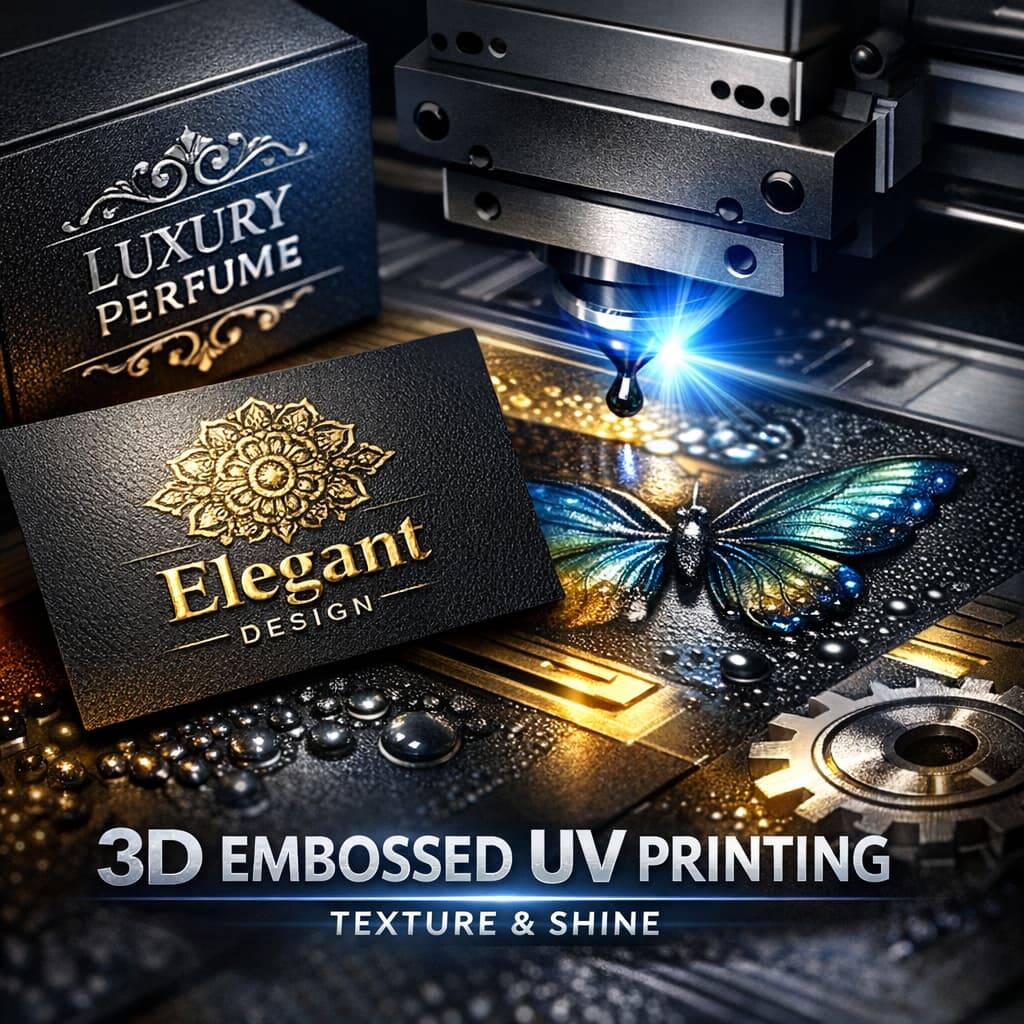
In today’s highly competitive print market, standing out is no longer optional—it is essential. Brands, manufacturers, and designers are constantly searching for ways to add depth, sophistication, and sensory appeal to printed products. One technology that has transformed premium printing is 3D embossed UV printing. Known for its raised textures, sharp details, and glossy finishes, this technique delivers both visual impact and tactile engagement.
However, the success of 3D embossed UV printing does not rely solely on advanced inks or UV curing systems. One critical factor often determines whether the final output looks premium or flawed: visual positioning. Without precise visual positioning, even the most advanced UV printer can produce misaligned textures, distorted designs, and inconsistent embossing.
Visual positioning acts as the backbone of accuracy in embossed UV printing. It ensures that raised layers align perfectly with printed graphics, text, and design elements. This alignment is especially important when working with complex layouts, fine details, or high-end branding materials.
This article explores why visual positioning is a key component of 3D embossed UV printing. We will examine how it works, why it matters, its benefits for branding and functionality, common challenges, best practices, and future trends shaping this fast-evolving printing technology.
Understanding 3D Embossed UV Printing
To fully appreciate the role of visual positioning, it is important to understand the fundamentals of 3D embossed UV printing.
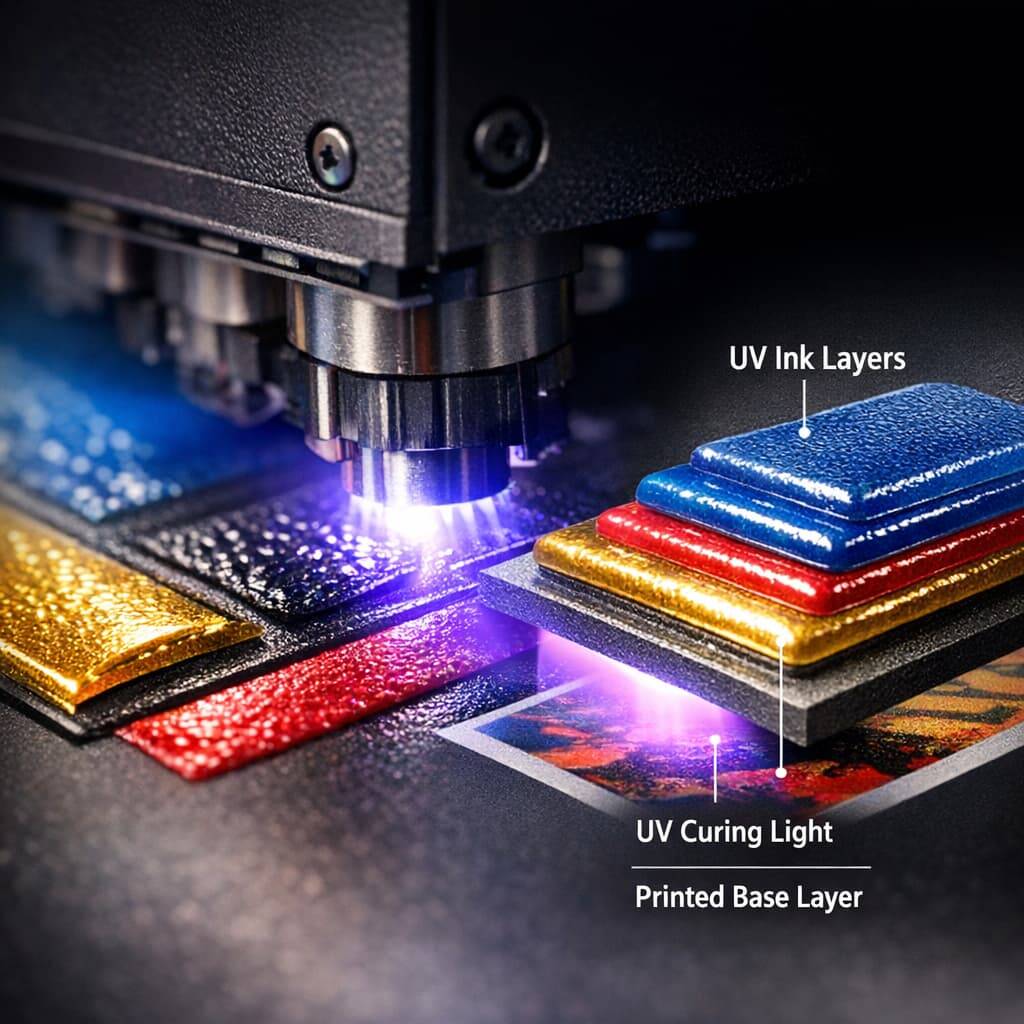
3D embossed UV printing is a digital printing process that uses ultraviolet light to instantly cure ink as it is applied to a surface. Unlike traditional printing, where ink soaks into the material, UV ink hardens on the surface. This allows multiple layers of ink to be stacked, creating raised or embossed effects.
The result is a three-dimensional texture that can be felt by touch. This technique is widely used on materials such as acrylic, glass, metal, leather, wood, plastic, and specialty papers. The raised ink not only enhances visual depth but also adds durability, making it suitable for both decorative and functional applications.
3D embossed UV printing is commonly used for:
Luxury packaging
Product labels
Business cards
Signage and displays
Decorative panels
Promotional materials
What makes this technique truly powerful is its ability to combine visual appeal with tactile experience, which significantly increases perceived value.
What Is Visual Positioning in UV Printing?
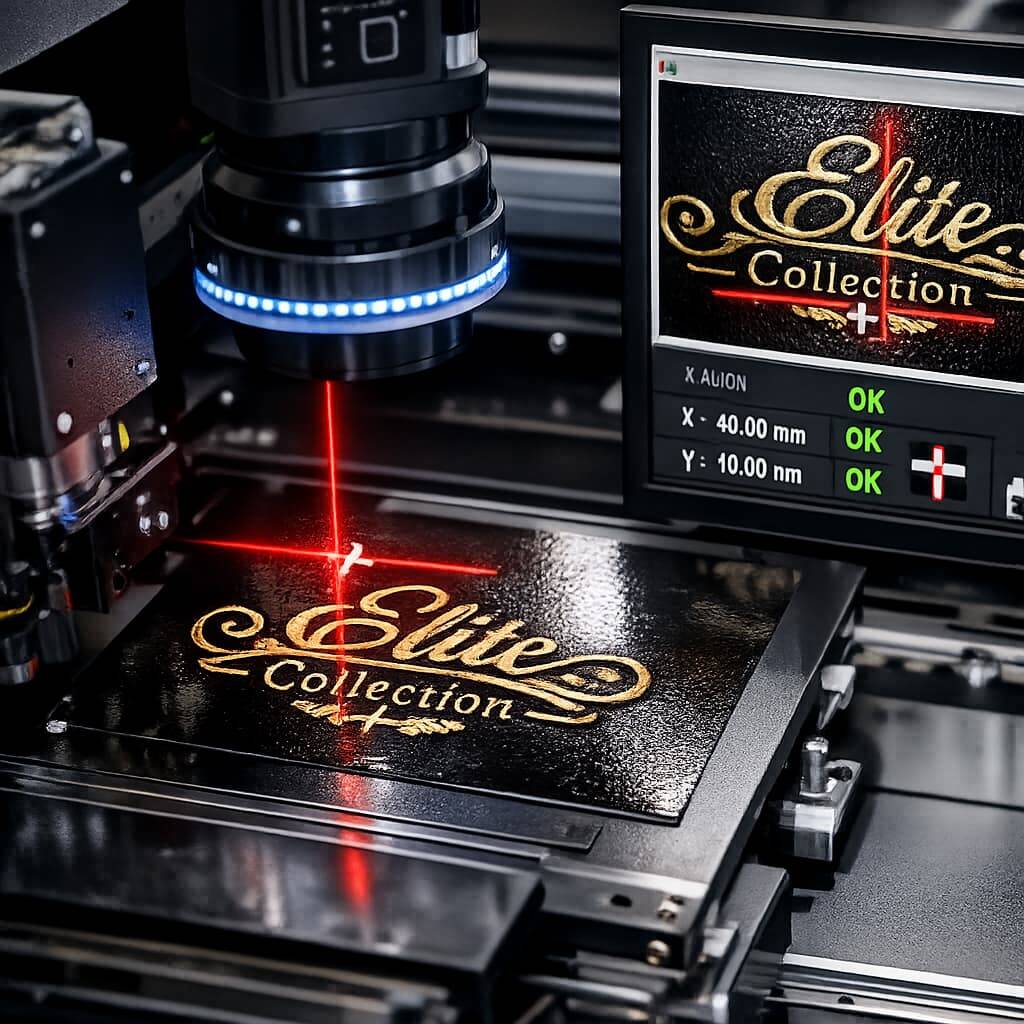
Visual positioning refers to the system and process used to accurately detect, align, and place printed elements on a substrate. In 3D embossed UV printing, visual positioning ensures that the embossed ink layers are placed exactly where they are intended—directly on top of the printed graphics or specific design areas.
Modern visual positioning systems typically use:
High-resolution cameras
Optical sensors
Registration marks
Intelligent software algorithms
These components work together to recognize the exact position of the substrate and the printed image. The printer then adjusts the ink placement in real time to maintain perfect alignment.
In simpler terms, visual positioning acts as the printer’s “eyes.” It allows the machine to see where the design is and apply the embossed layers with extreme precision, even if the material shifts slightly or varies in size.
Why Visual Positioning Matters in 3D Embossed UV Printing
Visual positioning is not just a technical feature—it is a quality driver. Without it, 3D embossed UV printing loses much of its effectiveness.
Embossed designs require absolute accuracy. Even a minor shift of a fraction of a millimeter can cause raised ink to fall outside the intended area. This results in uneven textures, blurred edges, and a poor overall appearance.
Visual positioning ensures consistency, accuracy, and repeatability across every print run. This is especially important for businesses producing large volumes or working with premium clients who demand flawless results.
Key Benefits of Visual Positioning in 3D Embossed UV Printing
Enhanced Visual Impact and Depth
One of the primary reasons for using 3D embossed UV printing is to create strong visual impact. Visual positioning enhances this impact by ensuring that raised elements align perfectly with the underlying graphics.
When embossing is accurately positioned:
Raised areas appear sharper and more defined
Light reflects evenly across textured surfaces
The design gains a realistic sense of depth
Poor positioning, on the other hand, breaks the illusion of dimensionality and reduces the premium feel of the product.
Superior Color Accuracy and Detail Preservation
Color accuracy is critical in branding and design. Visual positioning helps preserve color integrity by ensuring that embossed layers do not overlap incorrectly or distort printed colors.
Precise alignment allows:
Clean edges around embossed areas
Consistent color boundaries
Accurate reproduction of fine details
This is particularly important for logos, typography, and intricate patterns where clarity and sharpness matter.
Stronger Brand Recognition and Identity

Branding relies heavily on consistency. Visual positioning helps brands maintain uniformity across all printed materials, regardless of batch size or substrate type.
With accurate visual positioning, brands can confidently use:
Raised logos
Embossed brand symbols
Textured slogans or taglines
The tactile element created by embossing encourages customers to interact physically with the product, making the brand more memorable and engaging.
Improved Readability and Functionality
Embossed UV printing is often used for labels, packaging, and signage where readability is essential. Visual positioning ensures that embossed text and symbols remain clear and easy to read.
This is especially valuable for:
Product information labels
Safety warnings
Instructional signage
Accessibility-focused designs
When embossing is correctly aligned, it enhances readability rather than interfering with it.
Reduced Material Waste and Production Errors
Misalignment leads to rejected prints, wasted materials, and increased production costs. Visual positioning significantly reduces these issues by ensuring accuracy from the first print.
Benefits include:
Fewer misprints
Lower rejection rates
Reduced setup time
Higher overall efficiency
For businesses, this translates into cost savings and faster turnaround times.
The Role of Visual Positioning in Complex Designs
As design trends evolve, print layouts are becoming more complex. Multi-layer embossing, micro-textures, and mixed finishes are increasingly common. Visual positioning plays a critical role in handling these advanced designs.
It allows printers to:
Align multiple embossed layers accurately
Maintain consistency across variable data prints
Handle irregular shapes and custom-cut substrates
Without visual positioning, executing such complex designs would be nearly impossible at a professional standard.
The Process of Achieving Effective Visual Positioning
Design Preparation and File Setup
Effective visual positioning starts at the design stage. Designers must plan embossed areas carefully and create clear separation between printed and raised elements.
Key design considerations include:
Clearly defined emboss layers
High-resolution artwork
Proper registration marks if required
Design software such as Adobe Illustrator, CorelDRAW, or similar tools helps ensure precision before printing begins.
Advanced UV Printing Equipment
The quality of visual positioning depends heavily on the printer itself. Modern UV printers equipped with camera-based positioning systems deliver far superior results compared to basic models.
Advanced printers can:
Detect substrate placement automatically
Adjust print alignment in real time
Maintain accuracy across long production runs
Investing in reliable visual positioning technology is essential for businesses offering 3D embossed UV printing services.
Calibration and Testing
Before full production, calibration is necessary to fine-tune alignment and emboss height. Test prints help identify any positioning issues early in the process.
Calibration ensures:
Accurate layer stacking
Consistent emboss thickness
Proper curing of UV ink
This step is crucial for maintaining high-quality output.
Quality Control and Inspection
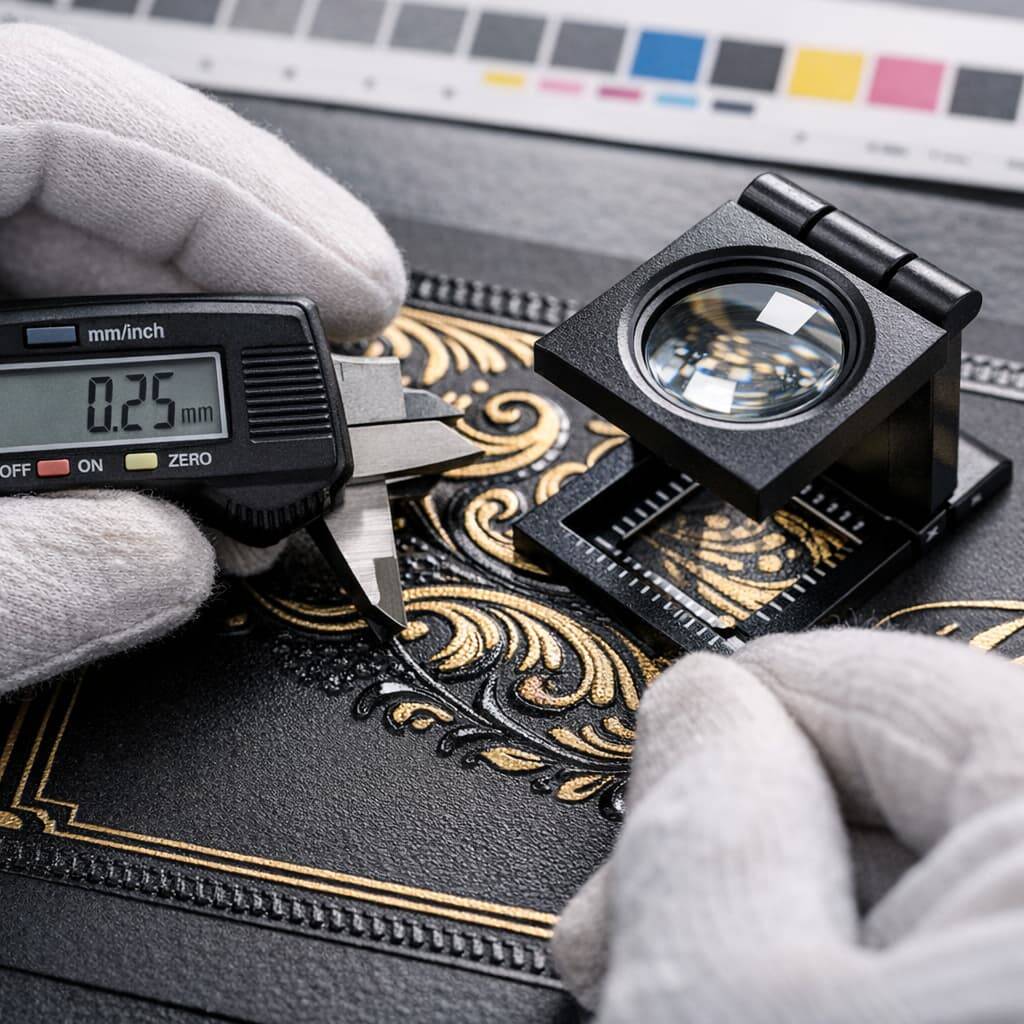
Quality control is the final safeguard in the visual positioning process. Each batch should be inspected for alignment, texture consistency, and color accuracy.
Regular inspections help maintain standards and build customer trust.
Common Challenges in Visual Positioning
Precision Limitations
Even with advanced technology, achieving perfect precision can be challenging. Factors such as substrate movement, material warping, or environmental conditions can affect alignment.
Equipment Constraints
Not all printers are equipped with advanced visual positioning systems. Older or entry-level machines may struggle with complex embossing tasks.
Upgrading equipment is often necessary to meet modern quality expectations.
Skill and Training Requirements
Visual positioning systems require skilled operators. Without proper training, even the best equipment can deliver suboptimal results.
Ongoing training ensures that operators understand both the technology and design principles behind effective positioning.
Best Practices for Optimizing Visual Positioning
Use high-quality substrates with minimal warping
Maintain a clean printing environment
Regularly calibrate cameras and sensors
Conduct test prints before large runs
Invest in staff training and skill development
Following these best practices helps ensure consistent and professional results.
Future Trends in Visual Positioning and 3D Embossed UV Printing
Increased Automation and AI Integration
Automation and artificial intelligence are shaping the future of visual positioning. Smart systems can self-correct alignment errors and optimize print settings automatically.
Improved Camera and Sensor Technology
Higher-resolution cameras and faster sensors will enable even greater precision, supporting ultra-fine embossing details.
Sustainable Printing Innovations
As sustainability becomes a priority, visual positioning will help reduce waste and improve efficiency, supporting eco-friendly printing practices.
Expanded Customization Capabilities
Future visual positioning systems will allow greater flexibility for customization, including variable embossing and personalized designs.
Conclusion
Visual positioning is not an optional feature in 3D embossed UV printing—it is a fundamental requirement for quality, consistency, and professionalism. From enhancing visual appeal and tactile engagement to improving brand recognition and production efficiency, visual positioning plays a decisive role in successful embossed printing.explore our high-quality Visual Positioning UV printers here.
As the printing industry continues to evolve, businesses that invest in advanced visual positioning technology, skilled operators, and thoughtful design processes will stand out in a crowded market. By prioritizing precision and alignment, 3D embossed UV printing can achieve its full potential, delivering stunning results that captivate both the eye and the touch.
Frequently Asked Questions
What is 3D embossed UV printing?
It is a UV printing technique that builds raised ink layers on a surface, creating textured, three-dimensional designs cured instantly with ultraviolet light.
Why is visual positioning important in UV printing?
Visual positioning ensures accurate alignment of printed and embossed elements, improving appearance, readability, and overall quality.
Can visual positioning reduce printing errors?
Yes, it significantly reduces misalignment, material waste, and rejected prints.
Is visual positioning necessary for all embossed prints?
While simple designs may tolerate minor misalignment, professional and high-end embossing requires precise visual positioning.
What is the future of visual positioning in printing?
Future developments include AI-driven automation, improved sensors, sustainable solutions, and advanced customization options.