

 HOME
HOME PRODUCT CENTER
 ABOUT US
 DOWNLOAD CENTER
 SUPPORT CENTER
 SUBSCRIBE
 BLOG
BLOGDTF Printer with White Ink: Complete Guide for High-Quality Textile Printing
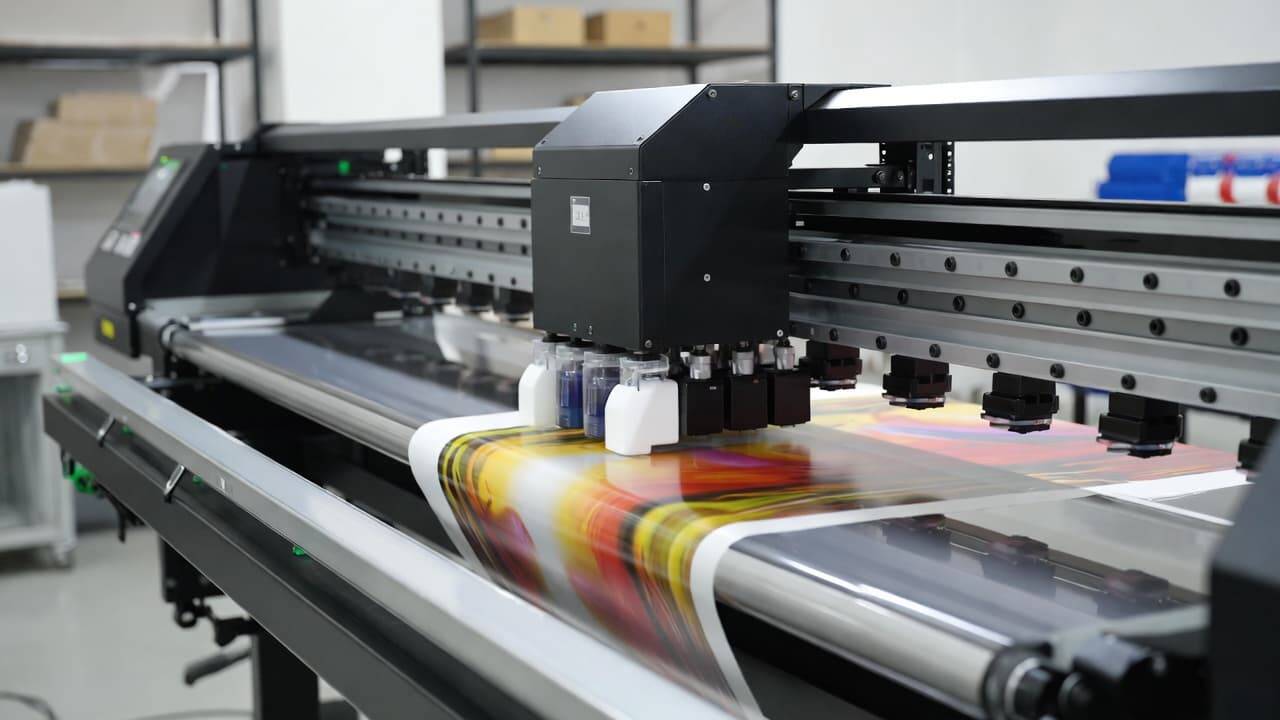
The custom printing industry has evolved rapidly over the last decade, driven by growing demand for personalized apparel, small-batch production, and vibrant, durable designs. Among the many innovations shaping this transformation, the DTF printer (Direct-to-Film printer) stands out as one of the most versatile and cost-effective solutions available today.
A key factor behind the success of DTF technology is the use of white ink, which allows designers and businesses to print bold, colorful graphics on dark and light fabrics alike. Whether you are starting a custom t-shirt business, expanding your print shop, or exploring new textile decoration methods, understanding how DTF printing with white ink works can give you a significant competitive advantage.
In this comprehensive guide, we will explore how DTF printers function, why white ink is essential, the benefits and features to look for, real-world applications, maintenance best practices, and how to choose the right DTF printer for your needs. This article is fully original and optimized to help you understand the technology while also ranking well for relevant search queries.
What Is a DTF Printer?
A DTF printer is a specialized printing system that transfers designs onto fabric using a film-based process. Unlike traditional screen printing or direct-to-garment (DTG) printing, DTF printing does not require pretreatment for most fabrics and works effectively on a wide range of materials.
How DTF Printing Works
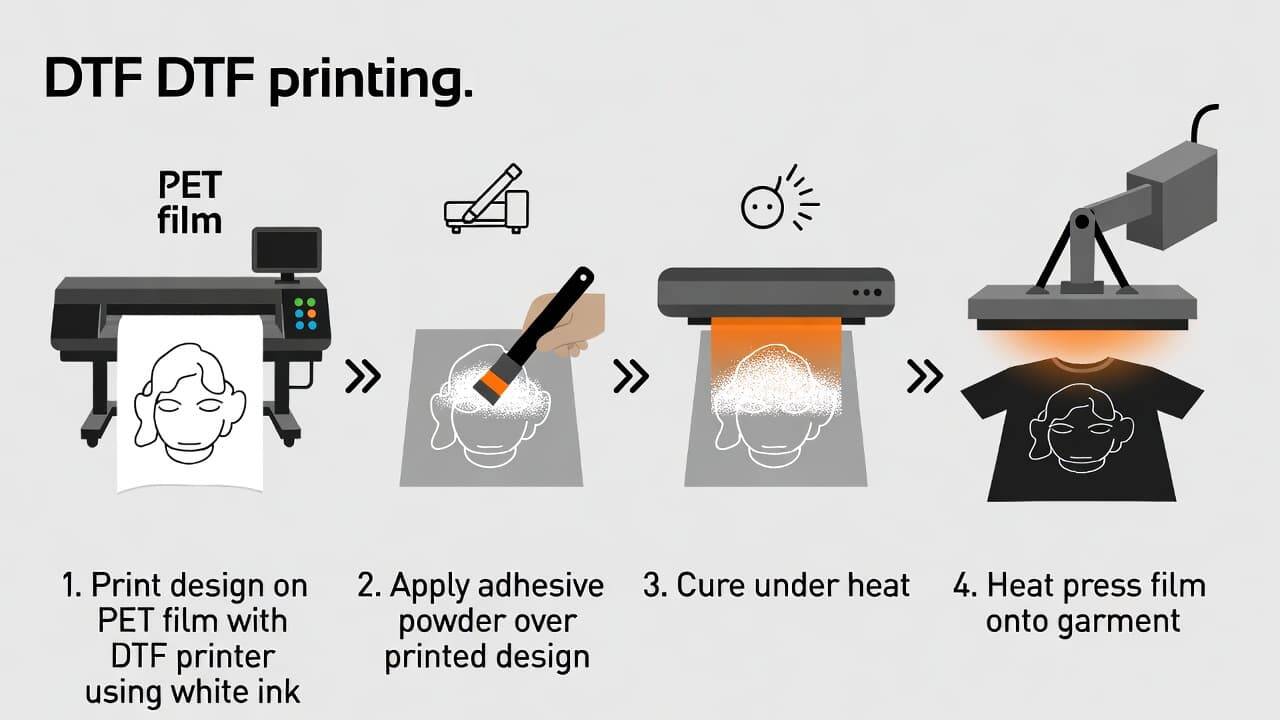
The DTF process typically involves the following steps:
Design Creation – A digital design is created using graphic software.
Printing on Film – The design is printed onto a special PET film using DTF inks, including white ink.
Powder Application – Adhesive powder is applied to the wet ink.
Curing – The film is heated to melt and activate the adhesive powder.
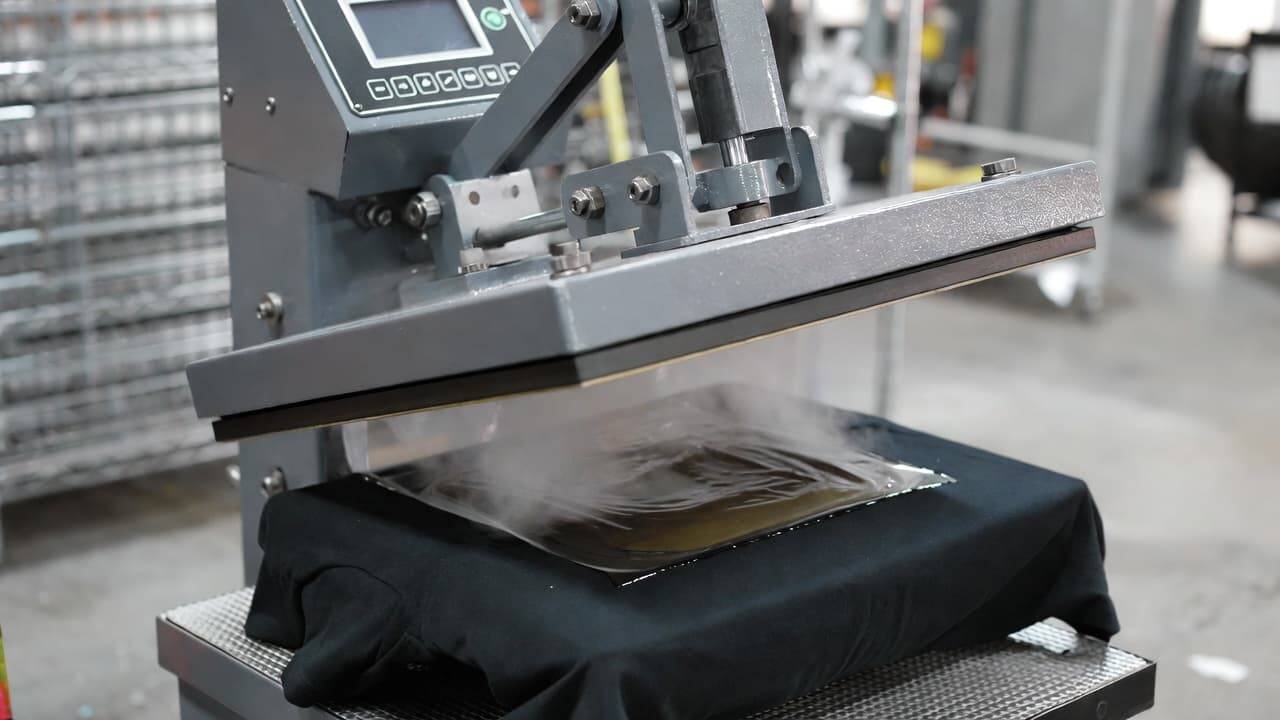
Heat Transfer – The cured film is pressed onto fabric using a heat press.
Peeling – The film is peeled away, leaving the design transferred onto the material.
This method provides strong adhesion, vibrant colors, and excellent durability across various textile types.
Why White Ink Is Essential in DTF Printing
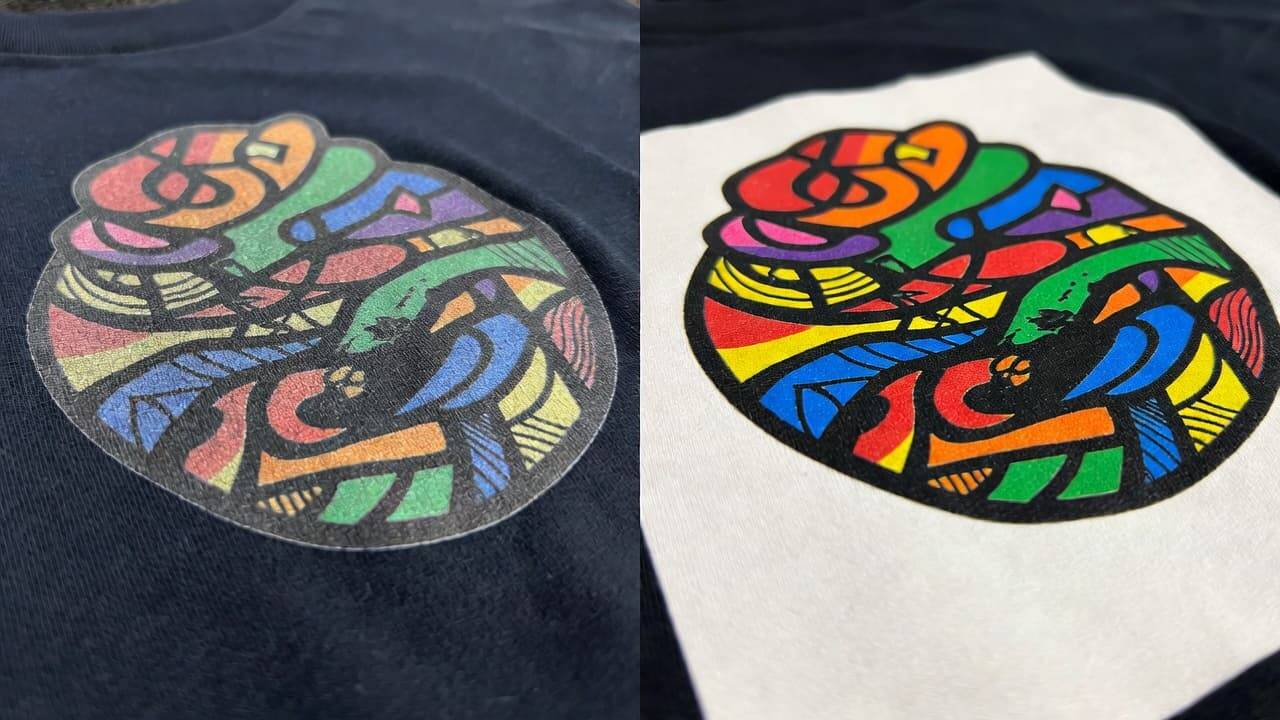
White ink plays a crucial role in achieving professional-quality results, especially when printing on dark or colored garments.
The Role of White Ink
In DTF printing, white ink acts as a base layer beneath colored inks. Without this layer, colors printed directly onto dark fabrics would appear dull or invisible. White ink creates a solid foundation that enhances brightness and ensures accurate color reproduction.
Layering Technique
Most DTF printers use a layered printing approach:
White ink is printed first as an underbase.
CMYK colors are printed on top.
In some cases, an additional white layer is applied for enhanced opacity.
This structure allows designs to maintain vibrancy regardless of the garment’s color.
Benefits of White Ink in DTF Printing
Improves color brightness on dark fabrics
Increases opacity and contrast
Expands material compatibility
Enhances design accuracy
Without white ink, DTF printing would be significantly limited in terms of versatility and professional results.
Advantages of Using a DTF Printer with White Ink
DTF printers with white ink capabilities offer multiple advantages that make them ideal for modern print businesses.
1. Wide Fabric Compatibility
DTF printing works on:
Cotton
Polyester
Cotton-poly blends
Nylon
Canvas
Denim
Unlike some printing methods, DTF does not require different machines for different fabric types.
2. Vibrant and Detailed Prints
The white underbase ensures bright colors and sharp details. Even complex gradients, fine lines, and photographic images can be reproduced accurately.
3. No Fabric Pretreatment Required
Unlike DTG printing, DTF printing typically does not require pretreatment, which simplifies workflow and reduces production time.
4. Ideal for Small and Large Orders
DTF printing is cost-effective for both small custom batches and bulk production, making it suitable for startups and established businesses alike.
5. Strong Durability
When properly applied, DTF prints are resistant to:
Cracking
Peeling
Fading
Washing damage
This durability makes DTF ideal for garments that undergo frequent use.
6. Easy Customization
Personalized designs, names, numbers, logos, and limited-edition artwork can be produced efficiently without additional setup costs.
Key Features to Look for in a DTF Printer
If you are considering investing in a DTF printer with white ink, certain features are essential for ensuring quality and reliability.
High Print Resolution
A professional DTF printer should offer a resolution of at least 1440 x 1440 DPI. Higher resolution allows for crisp details and smooth gradients.
Reliable White Ink Circulation System
White ink is thicker than other inks and can settle if not properly circulated. A good DTF printer includes:
Automatic white ink stirring
Circulation systems
Anti-clogging mechanisms
These features prevent blockages and maintain consistent print quality.
Efficient RIP Software
Raster Image Processor (RIP) software controls color management and layering. Advanced RIP software ensures:
Proper white underbase control
Accurate color matching
Efficient print job handling
Durable Print Head
The print head is the most critical component of a DTF printer. Choose a model known for durability and consistent performance.
User-Friendly Interface
An intuitive control panel and simple workflow help reduce training time and improve productivity.
Media Size Compatibility
Ensure the printer supports film sizes suitable for your business, whether A3, A2, or roll-fed formats.
Applications of DTF Printing with White Ink
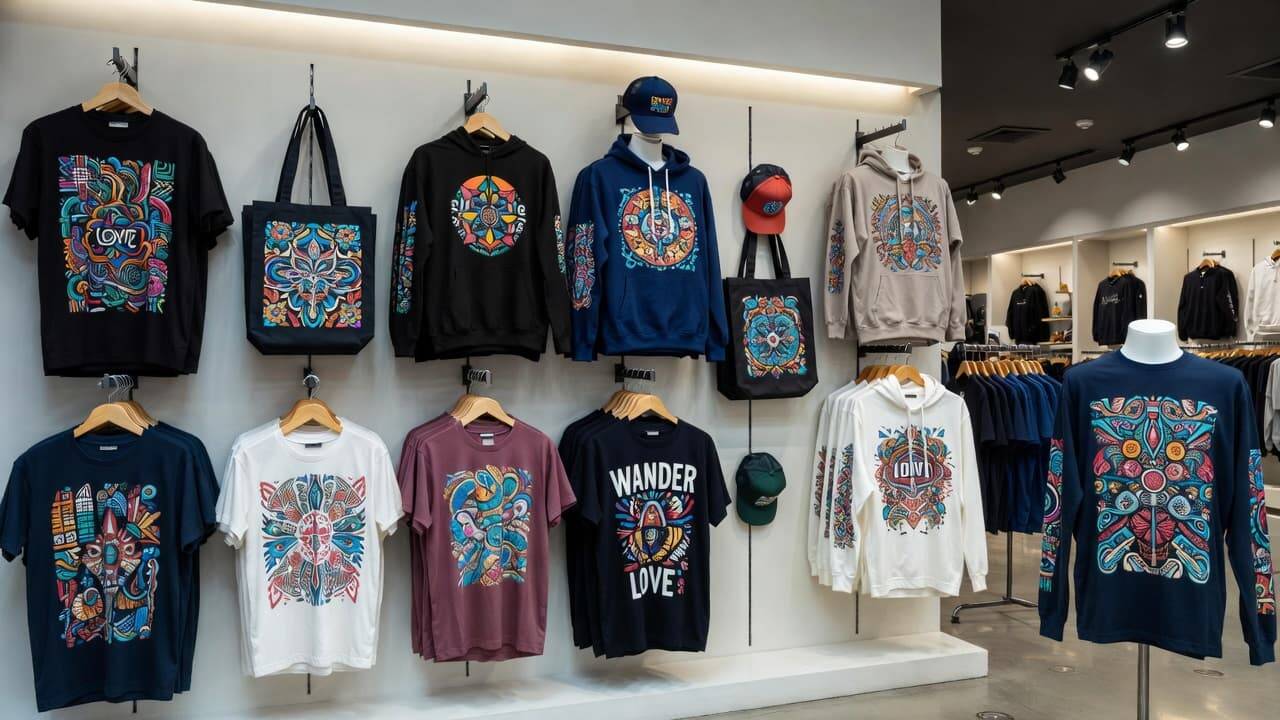
DTF printers are widely used across multiple industries.
Custom Apparel Printing
T-shirts
Hoodies
Sweatshirts
Sportswear
Uniforms
White ink ensures bright logos and graphics on both light and dark garments.
Promotional Merchandise
Businesses use DTF printing for:
Tote bags
Caps
Event merchandise
Corporate giveaways
Small Business Startups
DTF printing is popular among entrepreneurs launching:
Online clothing brands
Print-on-demand stores
Personalized gift businesses
Artistic Textile Projects
Artists can reproduce illustrations, paintings, and digital art onto fabric with impressive clarity and color accuracy.
Industrial and Workwear
Durable DTF prints are suitable for work uniforms and safety apparel where long-lasting branding is required.
DTF Printing vs. Other Printing Methods
Understanding how DTF compares to other methods can help you make an informed decision.
DTF vs. Screen Printing
Screen printing is ideal for large-volume simple designs.
DTF is better for small runs and complex artwork.
DTF requires less setup time.
DTF vs. DTG Printing
DTG works best on cotton.
DTF works on multiple fabric types.
DTF generally does not require pretreatment.
DTF vs. Heat Transfer Vinyl (HTV)
HTV involves cutting and layering vinyl.
DTF allows full-color, detailed images without manual layering.
DTF printing offers a balanced solution combining versatility, quality, and efficiency.
How to Choose the Right DTF Printer for Your Business
Selecting the best DTF printer depends on your goals and production requirements.
Define Your Budget
Consider:
Initial machine cost
Ink expenses
Film and powder costs
Maintenance expenses
Avoid choosing solely based on price—long-term reliability matters more.
Assess Production Volume
For small-scale operations, compact DTF printers may be sufficient. For commercial operations, invest in higher-speed models with roll-fed systems.
Check Brand Reputation
Research manufacturer reviews, user feedback, and after-sales support availability.
Request Sample Prints
Before purchasing, examine sample outputs to evaluate color accuracy, white ink opacity, and overall finish.
Consider Technical Support
Reliable technical support and spare parts availability are crucial for minimizing downtime.
Maintenance Tips for DTF Printers with White Ink
Proper maintenance ensures consistent performance and extends machine lifespan.
Daily Maintenance
Run white ink circulation
Perform nozzle checks
Clean print head surfaces
Weekly Maintenance
Inspect ink lines
Clean capping station
Check for powder residue buildup
Prevent White Ink Clogging
White ink requires special attention. Always:
Keep the printer powered for circulation
Avoid long idle periods
Use high-quality inks
Environmental Conditions
Maintain stable temperature and humidity to prevent ink drying or clogging issues.
Common Challenges and Solutions
White Ink Sedimentation
Solution: Use printers with automatic circulation and stir ink regularly.
Film Smudging
Solution: Ensure proper curing temperature and even adhesive powder application.
Peeling Issues
Solution: Confirm correct heat press temperature, pressure, and timing.
Color Inconsistency
Solution: Calibrate RIP software and use quality ICC profiles.
Is DTF Printing Eco-Friendly?
DTF printing can be more environmentally responsible compared to traditional methods, especially screen printing, because:
It uses less water
It reduces chemical usage
It produces minimal setup waste
To enhance sustainability, choose certified eco-friendly inks and dispose of consumables responsibly.
The Future of DTF Printing
The DTF printing market continues to grow as businesses seek flexible and efficient customization solutions. Innovations in:
Ink formulations
Print head technology
Automated powder systems
Faster curing methods
are making DTF printers more reliable and accessible.
White ink technology is also improving, offering better opacity and reduced clogging, which further enhances productivity and print quality.
As e-commerce and personalized apparel demand increase globally, DTF printing is positioned to remain a dominant technology in textile decoration.
Frequently Asked Questions (FAQ)
What materials can be printed using a DTF printer with white ink?
DTF printers can print on cotton, polyester, blends, nylon, canvas, denim, and other textile surfaces. White ink enables vibrant printing on dark fabrics.
Do DTF prints last long?
Yes. When applied correctly, DTF prints can withstand repeated washing without cracking, peeling, or fading.
Is white ink necessary for all prints?
White ink is essential when printing on dark or colored fabrics. For light garments, white ink may not always be required.
How often should I maintain my DTF printer?
Basic maintenance should be performed daily, especially for white ink systems. Regular cleaning prevents clogs and ensures consistent performance.
Is DTF printing suitable for beginners?
Yes. With proper training and reliable equipment, DTF printing is beginner-friendly and ideal for small business startups.
Conclusion
A DTF printer with white ink capability is a powerful investment for anyone involved in textile customization. Its ability to produce vibrant, durable, and highly detailed designs on a wide range of fabrics makes it one of the most flexible printing technologies available today.
From small startups to established print shops, DTF printing offers scalability, efficiency, and creative freedom. The inclusion of white ink expands possibilities, allowing bright prints on dark garments and enhancing overall design quality.
By choosing a reliable printer, maintaining it properly, and using high-quality inks and materials, you can build a profitable and sustainable printing business. As customization continues to dominate consumer trends, DTF printing remains at the forefront of innovation in the apparel and textile industry.
If you are looking to expand your printing capabilities or start a custom apparel venture, investing in a high-quality DTF printer with white ink may be the strategic move that sets you apart in a competitive market.explore our high-quality DTF printers here.