

 HOME
HOME PRODUCT CENTER
 ABOUT US
 DOWNLOAD CENTER
 SUPPORT CENTER
 SUBSCRIBE
 BLOG
BLOGDTF Printer Guide: Features, Benefits & Buying Tips
In today’s fast-evolving textile industry, Direct to Film (DTF) printing has become one of the most powerful and versatile solutions for fabric decoration. From custom T-shirts and hoodies to promotional merchandise and personalized fashion items, DTF technology allows businesses and creators to produce vibrant, durable, and highly detailed prints with ease.
Whether you run a print-on-demand store, manage a growing apparel brand, or are just starting a home-based customization business, choosing the right DTF printer can significantly impact your production quality and profitability. This comprehensive guide explains how DTF printing works, its key benefits, top printer options, and practical buying tips — all in a website-ready, SEO-optimized format.
What is DTF Printing?
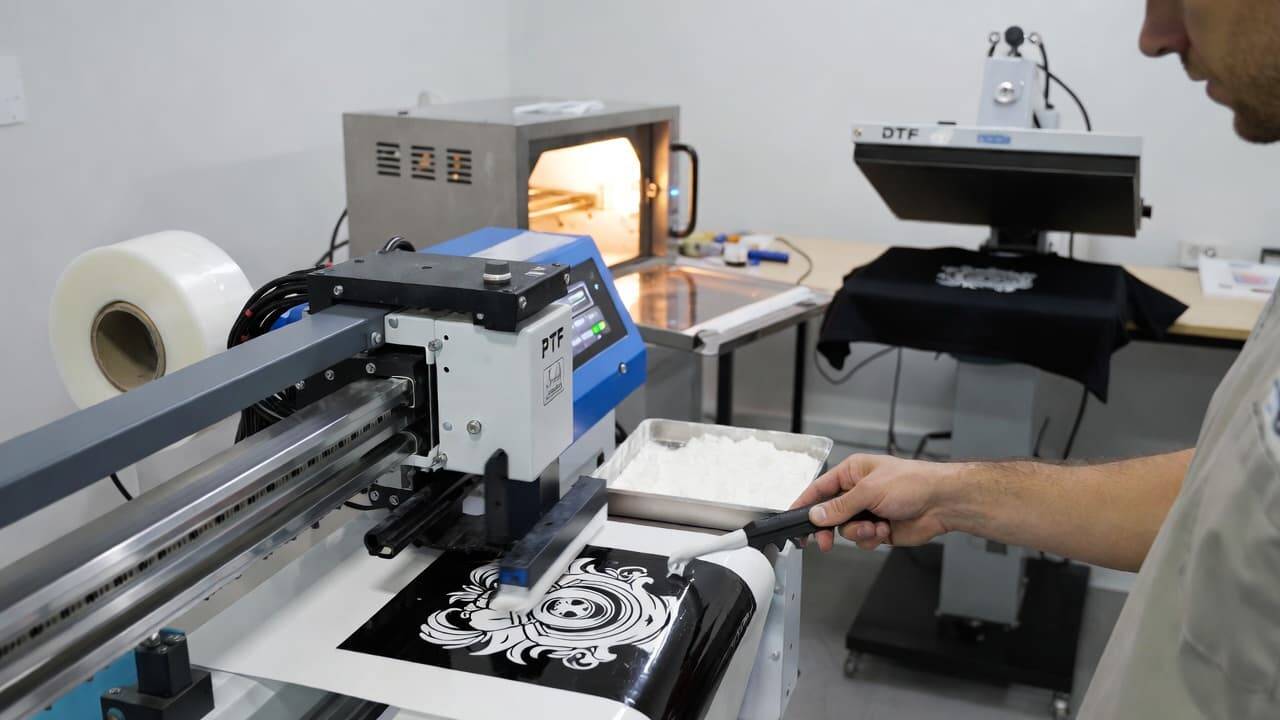
Direct to Film (DTF) printing is a textile decoration method where a design is first printed onto a special PET film. The printed film is then coated with adhesive powder and cured. Finally, the design is transferred onto fabric using a heat press.
Unlike traditional screen printing or even direct-to-garment (DTG) methods, DTF printing does not require fabric pre-treatment. This makes the process simpler, faster, and more versatile.
Basic DTF Printing Process
Create or prepare your design using graphic software.
Print the design onto DTF transfer film.
Apply hot-melt adhesive powder to the printed film.
Cure the powder using a curing oven or heat source.
Heat press the design onto the garment.
Peel the film (hot or cold peel depending on film type).
The result is a soft, flexible, and highly durable print that works on multiple fabric types.
Why DTF Printing is Growing So Fast
DTF technology has gained popularity because it removes many limitations of older printing methods. Let’s look at the main advantages.
1. Vibrant and Accurate Colors
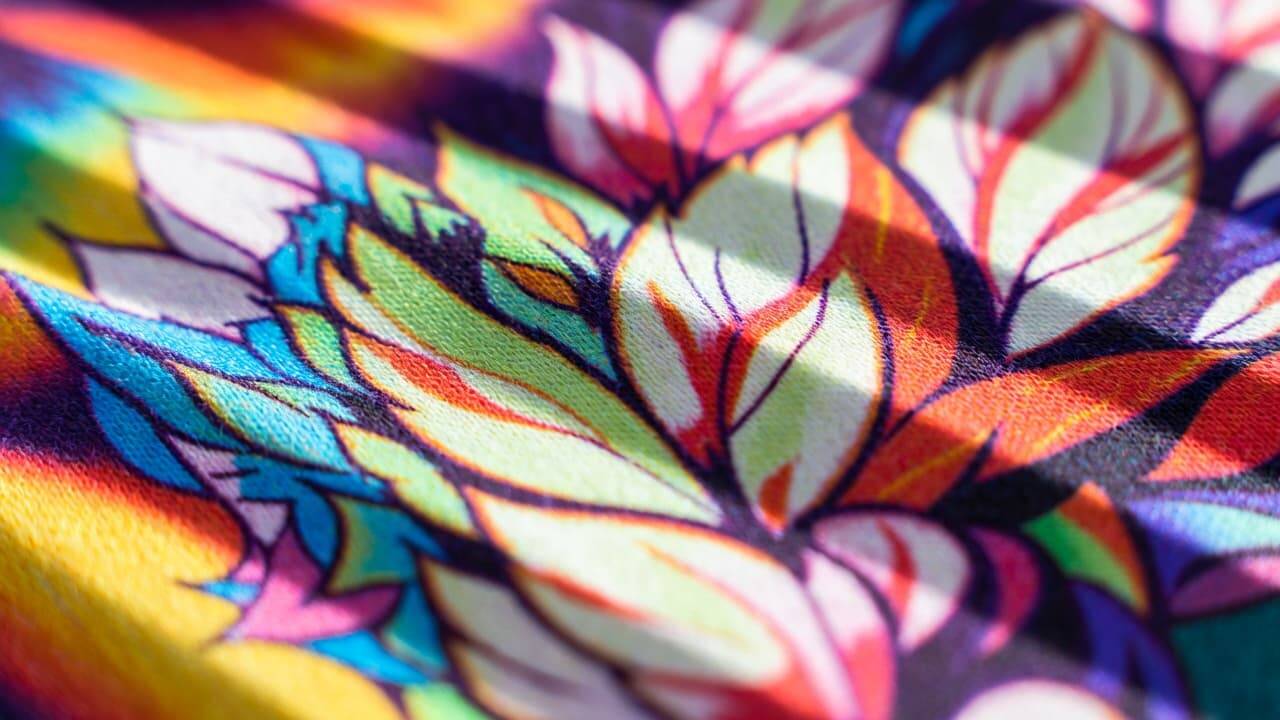
DTF printers produce rich, sharp, and detailed designs. With proper color management and RIP software, gradients, fine lines, and complex artwork print beautifully.
2. Excellent Durability
DTF transfers are known for:
Resistance to cracking
Resistance to peeling
Long-lasting color retention
Strong wash durability
With proper curing and application, prints can withstand many wash cycles without fading.
3. Fabric Versatility
One of the biggest advantages of DTF printing is fabric compatibility. You can print on:
Cotton
Polyester
Cotton-poly blends
Fleece
Canvas
Denim
Performance fabrics
This flexibility makes DTF ideal for both fashion brands and promotional product businesses.
4. No Pre-Treatment Required
Unlike DTG printing, DTF does not require pre-treating garments. This reduces:
Production time
Labor cost
Equipment investment
5. Ideal for Small and Large Orders
DTF printing is efficient for:
One-off custom orders
Small business production
Bulk commercial runs
This scalability makes it perfect for growing businesses.
Top DTF Printers to Consider
Below are some of the most popular and reliable printers used in DTF and garment decoration workflows. Each option serves different business sizes and budgets.
1. Epson SureColor F170
The Epson SureColor F170 is compact, affordable, and beginner-friendly. While originally designed for dye sublimation, many small businesses adapt similar Epson-based systems for DTF conversion.
Key Features
Up to 1200 x 1200 dpi resolution
Compact desktop size
Easy installation and setup
Reliable color output
Best For
Home-based businesses
Startups
Entry-level garment decorators
If you’re just entering the custom apparel industry, this printer type offers a manageable starting point.
2. Roland VersaUV LEF2-200
The Roland VersaUV LEF2-200 is a versatile machine combining UV printing capabilities with advanced material compatibility.
Key Features
Prints on materials up to 20 inches wide
UV ink technology
Gloss and matte texture effects
Multi-surface printing support
Best For
Businesses expanding beyond textiles
Custom product manufacturers
Premium print shops
Although more advanced and costly, it provides broader creative opportunities.
3. Anajet Ri 1000
The Anajet Ri 1000 is known for professional-level garment decoration performance. While commonly associated with DTG printing, it represents the standard of quality many DTF businesses aim for.
Key Features
Single-pass printing technology
Automatic maintenance system
Advanced user interface
Commercial-grade durability
Best For
Medium to large apparel brands
Commercial print shops
High-volume production setups
4. MUTOH VALUEJET 1638UR
This machine is designed for high-end commercial printing and combines speed with precision.
Key Features
1440 dpi resolution
Dual-head printing system
Fast output speed
Double-sided printing capability
Best For
Industrial-scale businesses
High production demand
Multi-material printing needs
5. Brother GTXpro
The Brother GTXpro is highly regarded in the garment decoration industry. It is known for reliability and consistent quality.
Key Features
High-speed production
Water-based eco-friendly inks
Sharp and vibrant prints
Low maintenance requirements
Best For
Established print shops
Custom apparel businesses
Brands focused on quality and consistency
How to Choose the Right DTF Printer
Selecting the right printer depends on your business model, production volume, and budget. Here are the most important factors to evaluate:
1. Print Resolution
Higher DPI (dots per inch) results in sharper images. For professional-quality apparel, aim for at least 1200 dpi capability.
2. Production Speed
If you handle bulk orders, speed matters. Look at:
Prints per hour
White ink circulation system
Automated maintenance features
3. Ink System Quality
White ink is critical in DTF printing. Choose printers with:
Reliable white ink flow
Anti-clogging systems
Stable ink circulation
4. Size and Workspace
Consider:
Available workspace
Film roll width compatibility
Heat press size
5. Software Compatibility
Ensure the printer works with reliable RIP software for:
Color accuracy
Layer control
White underbase adjustment
6. Maintenance Requirements
Regular maintenance keeps print heads functioning properly. Check:
Automatic cleaning systems
Easy part replacement
Technical support availability
DTF vs DTG: What’s the Difference?
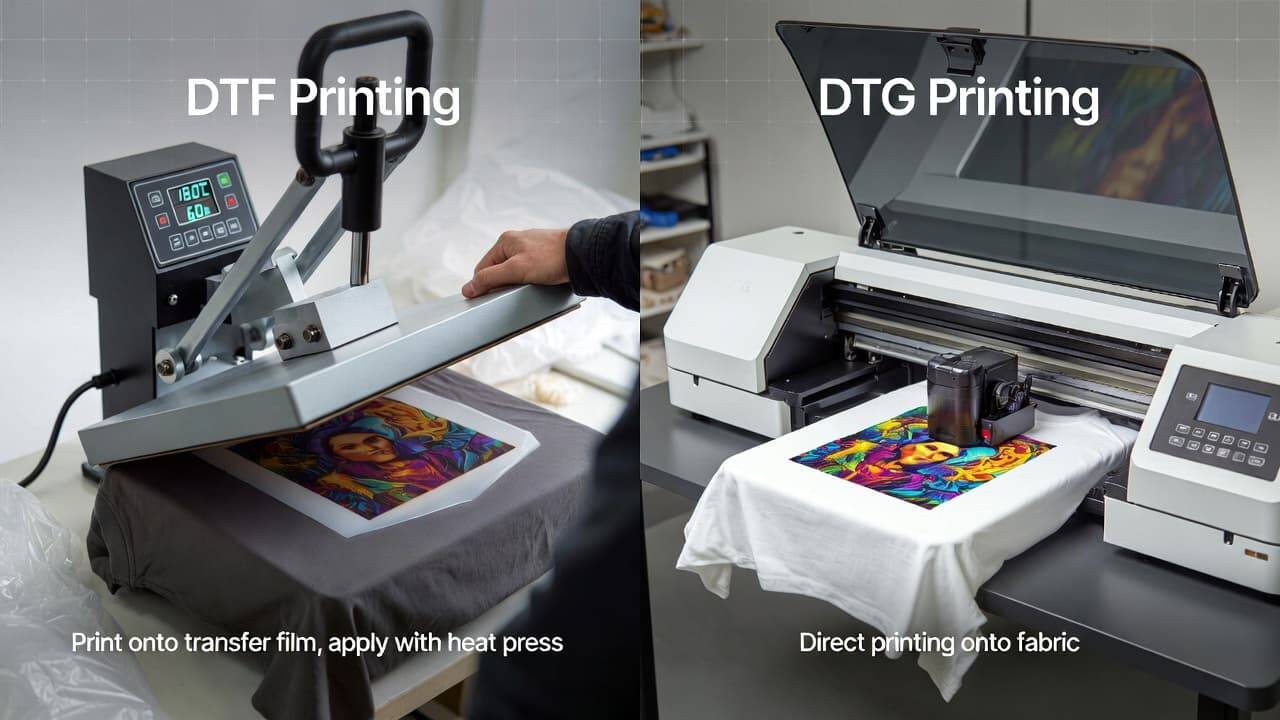
Direct to Film (DTF) and Direct to Garment (DTG) are often compared. Here’s a simple breakdown:
| Feature | DTF | DTG |
|---|---|---|
| Fabric Types | Works on most fabrics | Best for cotton |
| Pre-treatment | Not required | Required |
| Durability | Highly durable | Good but fabric-dependent |
| Setup Cost | Moderate | Higher |
| Flexibility | Very high | Moderate |
DTF offers more versatility, especially for blended and synthetic fabrics.
Cost of Starting a DTF Printing Business
The investment required depends on the scale of your operation.
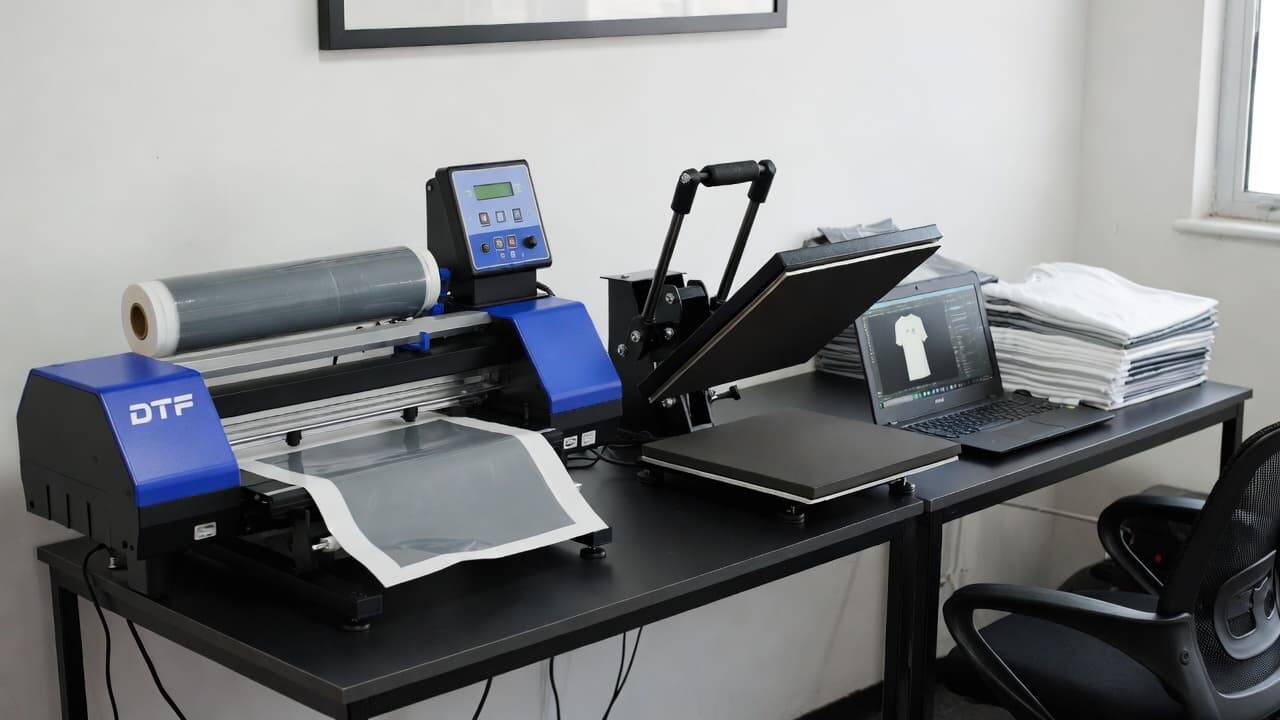
Basic Setup Includes:
DTF printer
Heat press machine
Curing oven
PET transfer films
Adhesive powder
RIP software
Estimated Investment Range:
Entry-level setup: Moderate investment suitable for small businesses
Professional setup: Higher investment with automated workflow
Always calculate:
Cost per print
Ink consumption
Film and powder usage
Maintenance cost
This helps determine profit margins.
Maintenance Tips for Long-Term Performance
To ensure your DTF printer runs smoothly:
Print regularly to prevent ink clogging
Perform routine head cleaning
Store inks properly
Maintain controlled humidity levels
Follow manufacturer guidelines
Preventive maintenance saves money and reduces downtime.
Common Mistakes to Avoid in DTF Printing
Even experienced printers can make errors. Here are common mistakes:
Incorrect curing temperature
Uneven adhesive powder application
Low-quality transfer film
Poor color profile settings
Skipping regular maintenance
Avoiding these mistakes ensures consistent and professional results.
Is DTF Printing Profitable?
Yes, DTF printing can be highly profitable when managed properly.
Why It’s Profitable:
Low setup compared to screen printing
High customization demand
Print-on-demand business model
Strong margins on custom apparel
With effective marketing and quality control, businesses can scale quickly.
Who Should Invest in a DTF Printer?
DTF printing is ideal for:
Custom T-shirt brands
Print-on-demand startups
Promotional merchandise companies
Home-based entrepreneurs
Established garment decorators
If your business focuses on customization and flexibility, DTF is a strong choice.
Final Thoughts
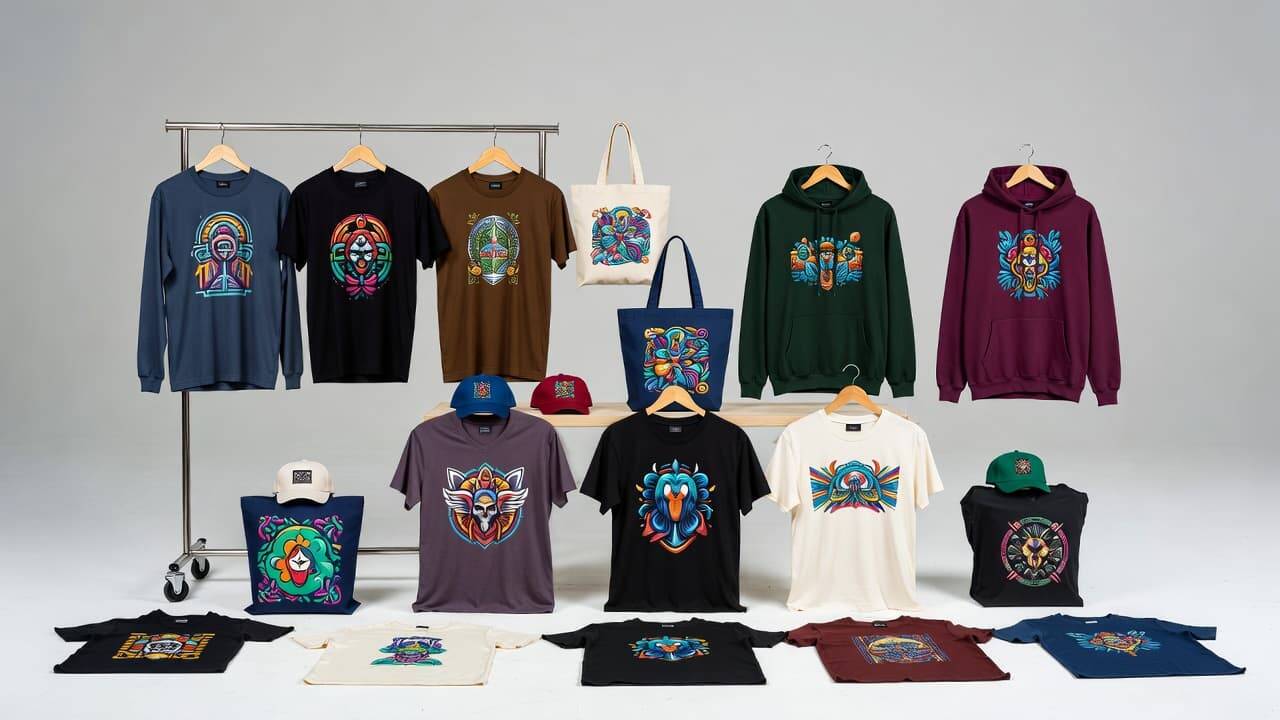
DTF printing has transformed the textile decoration industry by offering vibrant colors, durability, and fabric flexibility — all in a streamlined workflow. Whether you’re launching a new apparel brand or upgrading your existing print setup, investing in the right DTF printer can elevate your production quality and expand your product range.explore our high-quality DTF printers here
Before making a purchase, carefully evaluate your business goals, expected order volume, and long-term growth plans. Focus on reliability, maintenance support, and overall cost efficiency rather than just initial price.
With the right equipment and strategy, DTF printing can become a powerful and profitable part of your business.
Frequently Asked Questions (FAQ)
What fabrics work best with DTF printing?
DTF works on cotton, polyester, blends, fleece, denim, and more — making it more versatile than many traditional methods.
Can DTF print on dark garments?
Yes. A white underbase layer allows vibrant printing on dark and black fabrics.
How long do DTF prints last?
When properly applied and cured, DTF prints can withstand dozens of wash cycles without cracking or fading.
Is DTF better than screen printing?
For small runs and detailed multicolor designs, DTF is often more efficient. For very large bulk orders with simple designs, screen printing may be more cost-effective.
Do DTF printers require daily use?
Regular usage is recommended to prevent ink clogging, especially with white ink systems.