

 HOME
HOME PRODUCT CENTER
 ABOUT US
 DOWNLOAD CENTER
 SUPPORT CENTER
 SUBSCRIBE
 BLOG
BLOG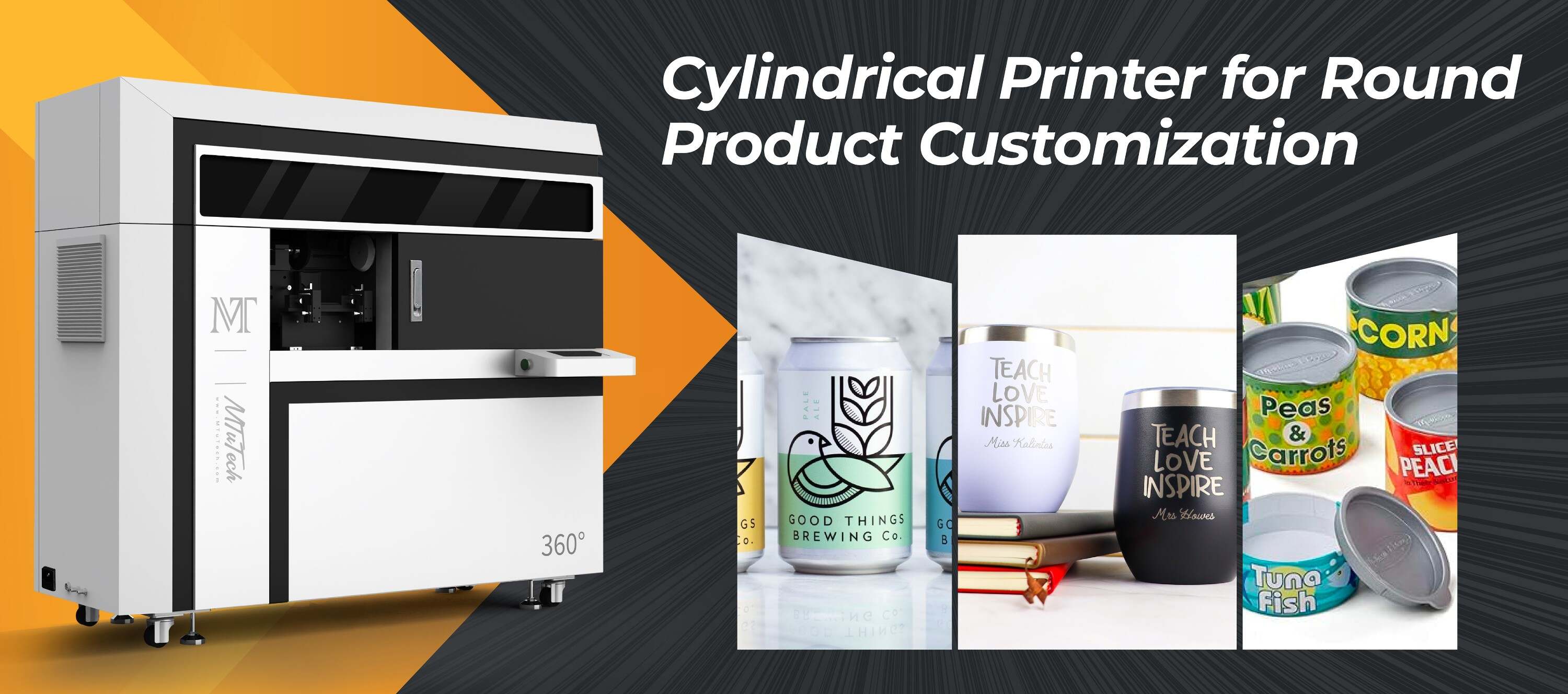
Cylinder UV Printer LED Positioning for Even Curing on Round Objects
Introduction
As the printing industry continues to evolve, the demand for high-quality and efficient printing solutions has never been greater. Among the innovations that have significantly transformed the printing landscape is the cylinder UV printer, particularly its application in printing on round objects. This technology not only enhances the quality of prints but also ensures that round surfaces are evenly coated and cured. One of the crucial elements in achieving optimal results in cylinder UV printing is the precise positioning of LED lights for curing. In this blog post, we will delve into the importance of LED positioning in UV printing, how it affects curing, and tips for achieving the best results on cylindrical objects.
Understanding Cylinder UV Printing
Cylinder UV printing utilizes ultraviolet light to cure inks as they are printed onto cylindrical surfaces. Unlike traditional printing methods, UV printing allows for immediate drying, enabling high-speed production and a wide range of materials. This technology is particularly beneficial for printing on items like bottles, cans, and various promotional products. However, to get the most out of your cylinder UV printer, you must understand how LED positioning affects the quality and consistency of the curing process.
Importance of LED Positioning
LED lights play a vital role in the curing process of UV inks. In cylinder printing, the positioning of these LEDs is crucial for several reasons:
·
Even Curing: Proper LED positioning ensures that UV light reaches all areas of the cylindrical object uniformly, resulting in even curing of the ink.
·
·
Ink Adhesion: Inadequate curing can lead to poor adhesion of the ink to the surface, causing issues such as smudging or peeling.
·
·
Color Accuracy: Evenly cured inks retain their intended color output, ensuring that the final product aligns with customer expectations.
·
·
Durability: Proper curing contributes to the longevity of the print, making it resistant to scratches and environmental factors.
·
Factors to Consider for Optimal LED Positioning
To achieve the best results while cylinder printing, consider the following factors:
1. Distance from the Object
The distance between the LED lights and the cylindrical object is critical. If the LEDs are too far away, the intensity of the UV light may be insufficient for proper curing. Conversely, if they are too close, it may lead to over-curing or heat damage. Always refer to the manufacturer's specifications for optimal distance settings.
2. Angle of LEDs
The angle at which the LEDs are positioned can significantly impact the uniformity of curing. Adjusting the angle ensures that the UV light reaches even the most challenging areas of the cylindrical object. Experimenting with different angles can help identify the best configuration for various sizes and shapes of objects.
3. Speed of Rotation
The speed at which the cylindrical object rotates during the curing process plays a pivotal role in achieving uniform results. A faster rotation may require stronger light intensity to ensure even curing, while a slower speed allows the UV light to penetrate the ink more thoroughly.
4. Type of UV Ink Used
Different types of UV inks require different curing conditions. It is essential to select the correct ink for your specific application and adjust your LED positioning accordingly. Always consult the ink manufacturer’s guidelines for optimal curing settings.
Technical Considerations for LED Positioning
Beyond the physical positioning of your LED lights, there are several technical aspects that must be taken into account:
1. Wavelength of LED Lights
The wavelength of UV light affects the curing speed and efficiency. Ensure you are using LEDs that emit light at the appropriate wavelength for the inks you are using, typically in the range of 200 to 400 nm.
2. Power Output
The power output of your LED lights can influence curing effectiveness. Higher wattage may be necessary for thicker ink layers or less absorbent materials, while lower wattage could suffice for standard applications.
3. Cooling Systems
UV curing processes can generate heat, which might lead to damage on sensitive materials. Integrating an effective cooling system ensures that the temperature remains controlled during the curing process, allowing for better ink adhesion and preventing heat damage.
Testing and Calibration
After setting up your cylinder UV printer and configuring the LED positioning, it's vital to conduct testing and calibration:
·
Trial Runs: Perform test prints to observe curing effects across different materials, ink types, and speeds.
·
·
Adjustments: Be prepared to make adjustments based on the results of your trial runs, particularly focusing on LED angle, distance, and intensity.
·
·
Document Settings: Keeping a record of successful configurations helps streamline future printing processes and ensures consistency across jobs.
·
Common Challenges and Solutions
Despite careful setup, challenges may still arise during the curing process. Here are some common issues and possible solutions:
·
Inconsistent Curing: If you notice uneven curing, double-check your LED positioning and angles. It may be helpful to adjust rotation speed or LED intensity.
·
·
Ink Peeling: Poor adhesion can be resolved by ensuring the object surface is clean prior to printing and that the curing process is sufficiently thorough.
·
·
Color Fading: If colors appear less vibrant over time, revisit the LED intensity, distance, and ensure the correct ink is being utilized.
·
Conclusion
Mastering LED positioning for UV curing in cylinder printing is vital for achieving high-quality results on round objects. By considering factors such as distance, angle, and power output, and through careful testing and adjustments, you can optimize your printing process to deliver stunning results. As the technology behind cylinder UV printers continues to advance, staying informed about the latest techniques and tools will ensure that your printing endeavors are both efficient and successful. Explore our high-quality Cylinder uv printers here and elevate your printing capabilities today!
FAQ
What is a cylinder UV printer?
A cylinder UV printer is a printing device designed to print on cylindrical or round objects using ultraviolet light to cure the ink immediately after printing. This technology allows for vibrant colors, quick production times, and high-quality finishes.
Why is LED positioning important in cylinder UV printing?
LED positioning is crucial as it directly affects the curing process. Proper positioning ensures that the UV light evenly covers the surface, resulting in better ink adhesion, durability, and color accuracy.
How do I know the correct distance for LED placement?
The optimal distance for LED placement usually depends on the printer model and the type of ink being used. It is advisable to refer to the printer manufacturer’s guidelines for specific recommendations.
What types of objects can be printed using a cylinder UV printer?
Cylinder UV printers can print on a variety of round objects, including bottles, jars, cans, promotional products, and more. The versatility of this technology allows for a broad range of applications across different industries.
How can I troubleshoot issues related to curing?
Troubleshooting curing issues involves checking LED positioning, adjusting rotation speeds, ensuring the use of suitable inks, and reviewing calibration settings. Performing trial runs can also help identify specific problems.