

 HOME
HOME PRODUCT CENTER
 ABOUT US
 DOWNLOAD CENTER
 SUPPORT CENTER
 SUBSCRIBE
 BLOG
BLOGCylindrical printers have revolutionized the landscape of printing, especially when it comes to large metal objects. These printers are known for their unique ability to handle cylindrical substrates in a variety of materials, including but not limited to different types of metals. However, an often-overlooked aspect of printing on large metal objects is the effect of thermal expansion. Understanding thermal expansion and its implications is essential for achieving high quality prints while maintaining the integrity of the metal substrates. This blog post will delve into how thermal expansion influences the printing process, the benefits of using cylindrical printers in this context, and how to manage these effects effectively. Thermal expansion refers to the tendency of materials to change in shape, area, and volume in response to changes in temperature. Typically, as temperature increases, materials expand; conversely, they contract when temperatures fall. Metals have specific coefficients of thermal expansion, a value that indicates how much a material expands per degree of temperature increase. When using cylindrical printers on large metal objects, thermal expansion can significantly affect both the substrate and the printed design. Heat generated from components of the printer, along with the curing processes of inks, can lead to complications if thermal management is not adequately addressed. One of the most critical effects of thermal expansion is its impact on alignment and accuracy during the printing process. If a metal object expands while the printer is operating, the precise positioning of the printer head can be altered, resulting in: · Misaligned prints · · Skewed or distorted designs · · Increased wear on printer components · Thermal expansion can also lead to problems with ink adhesion. The expansion may create micro-cracks or fissures in the surface of the metal substrate. This can interfere with how the ink bonds to the object, potentially leading to: · Poor printing quality · · Peeling or flaking of ink · · Inconsistent color output · Continuous exposure to varying temperatures can affect the structural integrity of large metal objects. This is particularly crucial in applications where durability is paramount. Over time, repeated thermal expansion and contraction could lead to: · Fatigue and stress fractures · · Changes in appearance due to warping · · Decreased lifespan of the object · Cylindrical printers offer a high level of versatility when it comes to printing on various shapes and sizes of metal objects. Their ability to customize designs makes them an ideal choice for industries such as: · Automotive · · Aerospace · · Consumer goods · The technology behind cylindrical printers enables high-resolution prints that are both vibrant and durable. They can handle special inks designed to bond effectively with metal substrates, minimizing issues of adhesion and improving the longevity of colors. Cylindrical printers streamline the printing process, allowing for rapid production times without compromising on quality. This efficiency is particularly beneficial for businesses needing fast turnaround for high-volume orders. Implementing temperature control mechanisms during the printing process can significantly reduce the adverse effects of thermal expansion. Some strategies may include: · Using cooling systems to maintain a stable temperature · · Utilizing heat-resistant inks that can withstand temperature changes · · Incorporating thermal sensors to monitor temperature fluctuations in real-time · Selecting the right type of metal can also minimize issues related to thermal expansion. Metals with lower coefficients of thermal expansion can be more stable during the printing process. Some popular choices include: · Aluminum · · Stainless steel · · Titanium · After printing, employing post-processing techniques can help mitigate the effects of thermal expansion. Options may include: · Heat stabilizing treatments · · Protective coatings to enhance ink adhesion · · Surface treatment processes that improve durability · Understanding the effects of thermal expansion on large metal objects when using cylindrical printers is essential for achieving optimal printing results. By acknowledging and managing these thermal effects, businesses can not only ensure better print quality but also enhance the longevity and durability of their products. Proper temperature control, material selection, and post-processing techniques are vital strategies that can help mitigate the challenges posed by thermal expansion. For those in search of high-quality cylindrical printing solutions, consider the innovative approaches available in modern cylindrical printers. Explore our high-quality Cylindrical printers here and discover how they can elevate your custom printing needs. Thermal expansion is the tendency of materials to change in shape, area, and volume when subjected to temperature changes. In general, materials expand when heated and contract when cooled. The expansion of metal objects due to heat can impact alignment, ink adhesion, and the structural integrity of the printed metal. If not properly managed, these effects can lead to misalignment, poor ink bonding, and long-term damage to the metal substrate. Managing thermal expansion can involve implementing temperature control systems, selecting metals with low thermal expansion coefficients, and utilizing post-processing techniques to mitigate its effects. In industrial applications where durability and appearance are crucial, addressing thermal expansion helps ensure high-quality outputs, enhances product lifespan, and maintains alignment and integrity in printed designs. 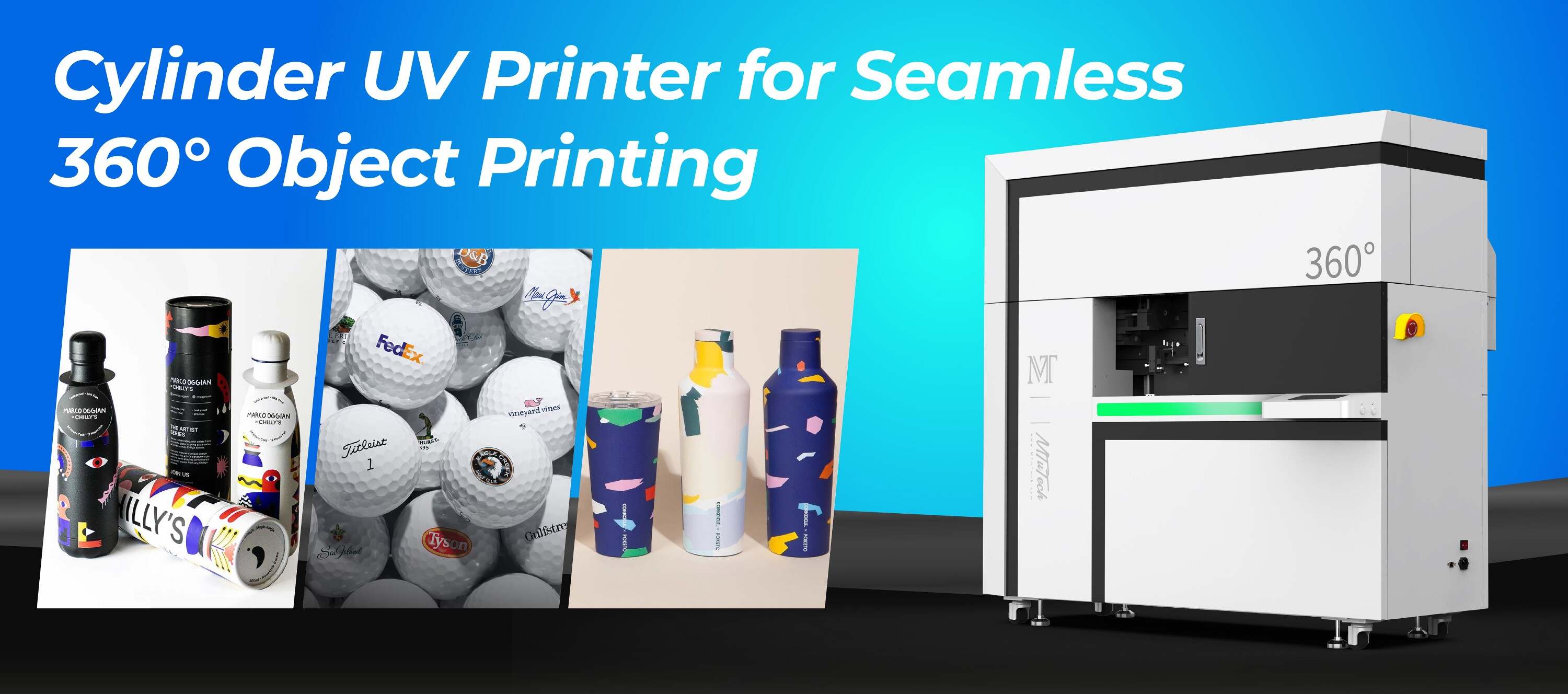
Cylindrical Printer Thermal Expansion Effects on Large Metal Objects
Introduction
The Science of Thermal Expansion
What is Thermal Expansion?
Why Does it Matter in Printing?
Effects of Thermal Expansion on Metal Objects
Impact on Alignment and Accuracy
Ink Adhesion Issues
Long-term Integrity of the Metal Object
Benefits of Using Cylindrical Printers on Metal Objects
Versatility and Customization
High-Quality Prints
Efficiency and Speed
Managing Thermal Expansion Effects
Temperature Control Mechanisms
Material Considerations
Post-Processing Techniques
Conclusion
FAQ
What is thermal expansion?
How does thermal expansion affect cylindrical printing on metal?
What steps can be taken to manage thermal expansion during printing?
Why is it important to consider these effects in industrial applications?
Cylindrical Printer Thermal Expansion Effects on Large Metal Objects
9 February 2026
Online Inquiry
Lastest News
-
5:38 pm · 25 Aug 26
What Matters Most When Choosing an Inkjet Water Bottle Printer?
-
6:03 pm · 12 May 26
How E-Commerce Packaging Trends Are Boosting Cylindrical Printer Sales
-
5:16 pm · 11 May 26
Cylindrical Printing Industry Trade Associations and Networking Events
-
5:51 pm · 9 May 26
Cylindrical Printer Raw Material Costs: Impact of Supply Chain Shifts