

 HOME
HOME PRODUCT CENTER
 ABOUT US
 DOWNLOAD CENTER
 SUPPORT CENTER
 SUBSCRIBE
 BLOG
BLOG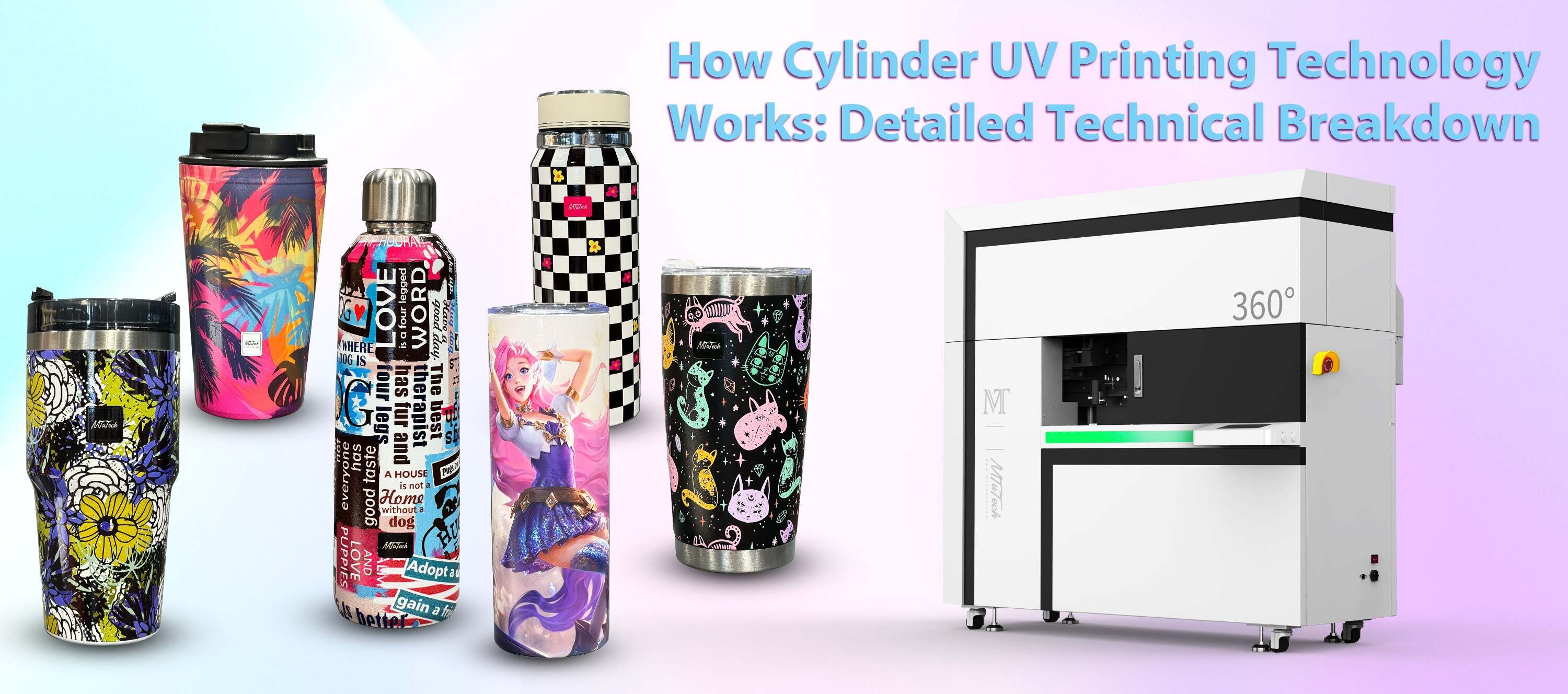
Cylindrical Printing Techniques for Multi-Layer Color Effects
Introduction
Cylindrical printing is revolutionizing the way businesses approach custom product design and branding. This specialized printing technique enables the application of multi-layer color effects on cylindrical objects, from bottles to cans, seamlessly enhancing their visual appeal. In a marketplace where aesthetics can significantly influence consumer perception and purchasing decisions, mastering cylindrical printing can provide businesses with a competitive edge.
This blog will delve into the various cylindrical printing techniques, specifically focusing on how they can be utilized to create stunning multi-layer color effects that captivate consumers. We’ll cover the benefits of these techniques, factors to consider when selecting a method, and best practices for achieving incredible results.
Understanding Cylindrical Printing
Cylindrical printing refers to the process of applying designs and colors onto cylindrical surfaces. The primary goal is to achieve precision and vibrant effects. Here are the most common techniques used in cylindrical printing:
·
Screen Printing: This technique involves pushing ink through a mesh screen that has been pre-treated to form specific designs.
·
·
Digital Printing: Utilizing modern inkjet technology, digital printing allows for intricate designs to be printed directly onto cylindrical objects, maintaining high levels of detail.
·
·
Rotational Printing: This method involves wrapping the substrate around a cylinder, enabling high-speed production and uniform ink application.
·
·
Offset Printing: Though traditionally used for flat surfaces, offset printing can be adapted for cylindrical applications with specialized equipment.
·
Benefits of Cylindrical Printing Techniques
The multifaceted benefits of cylindrical printing techniques make them an attractive choice for businesses. Here are some key advantages:
1. High-Quality Output
Cylindrical printing is renowned for producing vibrant colors and lasting quality. Multi-layer techniques can create depth and texture, making products stand out on shelves.
2. Versatility
Almost any cylindrical object can be printed on, making this technique versatile for various industries, including beverage, cosmetics, and industrial applications.
3. Cost-Effective for Custom Designs
With the capability to produce low runs of customized designs quickly, businesses can experiment with their branding without incurring significant costs.
4. Enhanced Branding Opportunities
Multi-layer colors can add a unique touch to a product, allowing brands to create more recognizable and appealing packaging that aligns with their identity.
5. Eco-Friendly Options
Many modern cylindrical printing techniques utilize water-based inks and eco-friendly materials, making them sustainable choices for environmentally conscious businesses.
Features of Multi-Layer Color Effects
Multi-layer color effects in cylindrical printing add depth, dimension, and intrigue to printed products. Some of the notable features include:
1. Transparency and Overlays
Utilizing transparent inks allows printers to create stunning overlays where colors mix and interact visually, producing captivating depth effects.
2. Texture and Finish
Cylindrical printing can incorporate different textures and finishes, such as matte, glossy, or raised elements, enhancing tactile elements that resonate with consumers.
3. Gradient Colors
Gradients can be achieved by layering colors in various intensities, giving a smooth transition from one color to another, creating a dynamic visual effect.
4. Customization and Personalization
With the digital printing method, you can easily adapt designs for personalized customer orders, making products more appealing and meaningful.
Choosing the Right Cylindrical Printing Technique
Selecting the right cylindrical printing technique involves considering key factors unique to your project. Here are some aspects to think about:
·
Material Type: Different materials may require specific printing techniques. For example, glass bottles may be better suited for screen printing, while plastic containers might be ideal for digital methods.
·
·
Production Volume: High-volume orders might benefit from rotational or offset printing due to their efficiency, while smaller runs may find more success with digital printing.
·
·
Design Complexity: Intricate designs may necessitate digital or screen printing to ensure high fidelity in details.
·
·
Color Requirements: Multi-layer effects require techniques capable of handling various inks and layers, crucial for achieving the desired visual outcomes.
·
Best Practices for Achieving Stunning Multi-Layer Effects
To ensure that your cylindrical printing projects are both successful and visually striking, consider the following best practices:
1. Pre-Press Preparation
Before printing, take time to prepare your files correctly. Ensure that your designs are in the right format and resolution. Test prints can also help identify potential issues with color and alignment.
2. Use Quality Inks and Materials
The quality of inks and substrates profoundly impacts the final result. Invest in high-quality inks to achieve vibrancy and durability in your printed products.
3. Engage Experienced Printers
Choose printers with experience in cylindrical printing and multi-layer techniques. Their expertise will be invaluable in achieving desired outcomes efficiently.
4. Emphasize Testing and Prototypes
Prior to mass production, conduct test prints and develop prototypes. This will allow you to evaluate how the final product aligns with your vision and make adjustments as needed.
5. Stay Updated with Innovations
The printing industry continually evolves with new technologies and techniques. Stay updated on innovations in cylindrical printing to leverage the latest advancements for your projects.
Conclusion
Cylindrical printing, especially when leveraging multi-layer color effects, offers businesses a unique opportunity to enhance their product aesthetics and stand out in the marketplace. By understanding the techniques available and adhering to best practices, businesses can create eye-catching designs that captivate consumers and elevate brand presence.
To discover more about high-quality cylindrical printing solutions, consider exploring our offerings. For further information, Explore our high-quality Cylindrical printers here.
FAQ
What types of materials can be printed using cylindrical printing techniques?
Cylindrical printing can be applied to a variety of materials, including plastic, glass, metal, and cardboard, making it suitable for many industries.
How do multi-layer color effects improve product packaging?
Multi-layer color effects add depth, texture, and visual interest to packaging, making products more appealing and memorable to consumers.
Can I customize designs for small batch orders?
Yes! Digital printing techniques are particularly well-suited for small batch orders, allowing for easier customization without high setup costs.
What factors influence the cost of cylindrical printing?
The cost of cylindrical printing can be influenced by factors such as material type, printing technique, production volume, and design complexity.
How can I ensure high-quality outcomes in cylindrical printing?
To ensure high-quality outcomes, prepare files meticulously, use high-quality inks, choose experienced printers, and conduct test prints prior to mass production.