

 HOME
HOME PRODUCT CENTER
 ABOUT US
 DOWNLOAD CENTER
 SUPPORT CENTER
 SUBSCRIBE
 BLOG
BLOG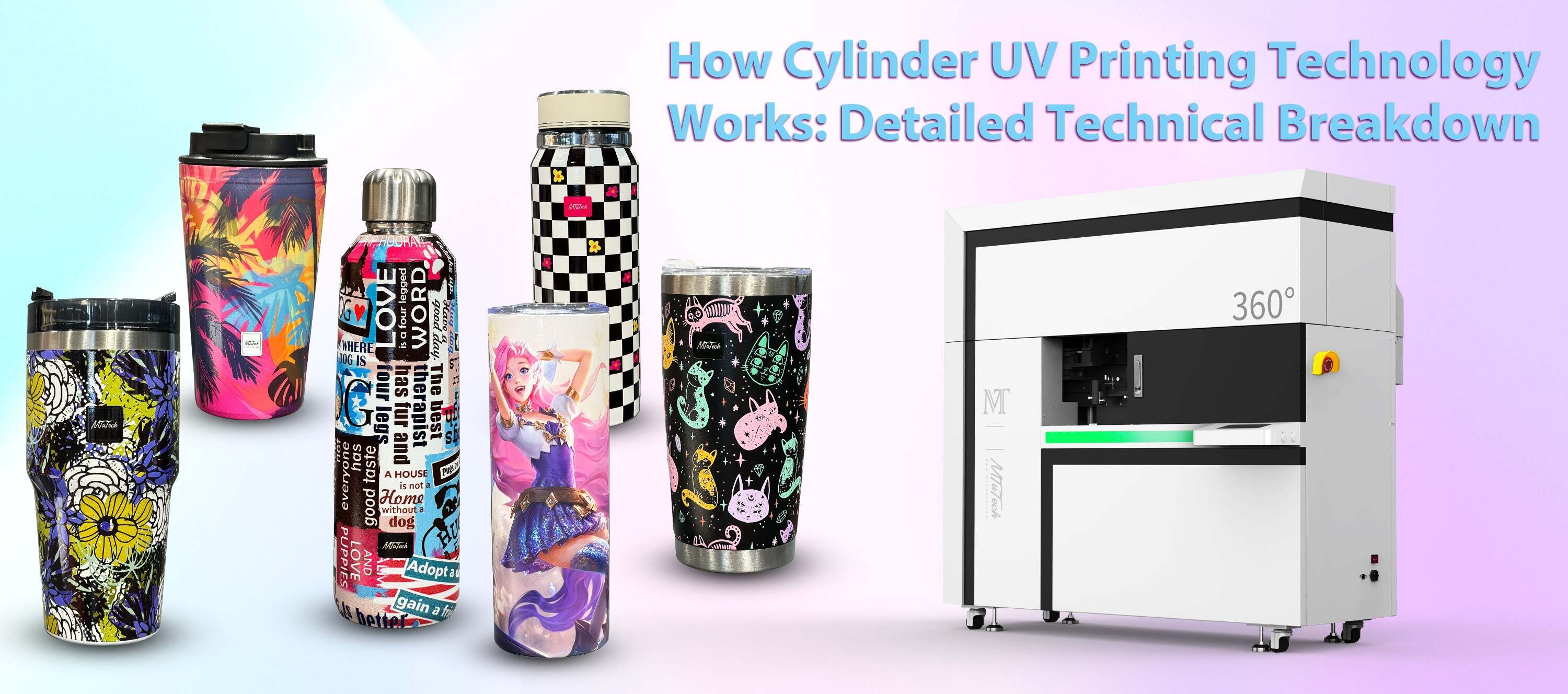
Eco-Friendly Printing Options for Cylindrical Surfaces
Introduction
In today's environmentally conscious society, businesses and consumers alike are increasingly seeking eco-friendly solutions in all aspects of their operations. One area that is often overlooked is printing, particularly on cylindrical surfaces, which can include items like bottles, cans, and custom promotional products. As the demand for sustainable practices grows, so does the market for eco-friendly printing technologies. This blog post aims to explore the various eco-friendly printing options available for cylindrical surfaces, their benefits, and the features that make them attractive to businesses looking to reduce their carbon footprint.
Understanding Eco-Friendly Printing
Eco-friendly printing refers to the use of sustainable printing methods and materials that minimize environmental impact. This involves not only the inks and substrates used but also the printing process itself. Traditional printing methods often rely on chemical-heavy inks and solvents, which can be harmful to both the environment and human health. Eco-friendly printing options, on the other hand, utilize materials and processes that reduce harmful emissions and waste.
Benefits of Eco-Friendly Printing on Cylindrical Surfaces
Transitioning to eco-friendly printing methods for cylindrical surfaces offers numerous advantages for businesses and the environment.
1. Reduced Environmental Impact
Eco-friendly printing processes often employ biodegradable or recyclable inks and materials, which significantly lower the carbon footprint of manufacturing. This contributes to a healthier planet and aligns with corporate social responsibility goals.
2. Enhanced Brand Image
Brands that prioritize sustainability can improve their public image, attracting eco-conscious consumers. Demonstrating a commitment to environmentally friendly practices can differentiate a business from its competitors.
3. Compliance with Regulations
Many regions have begun implementing stricter regulations regarding printing and packaging materials. Utilizing eco-friendly printing can help businesses remain compliant with these laws, avoiding potential fines and legal trouble.
4. Cost-Effective Solutions
While eco-friendly materials and processes may have a higher upfront cost, they can lead to significant savings in the long run. Reduced waste and lower energy consumption often lead to decreased operational costs.
Eco-Friendly Printing Options for Cylindrical Surfaces
There are several techniques and materials available that focus on eco-friendly printing for cylindrical surfaces. Below, we explore some of the most popular options.
1. Water-Based Inks
Water-based inks are a popular alternative to traditional solvent-based inks. These inks are made from pigments dispersed in a water base, making them less harmful to the environment. They produce minimal volatile organic compounds (VOCs), which contribute to air pollution. Water-based inks are not only suitable for paper but can also be used on various cylindrical substrates like plastic and metal.
2. UV Printing
UV printing is an advanced technology that uses ultraviolet light to cure inks as they are printed. This process results in vibrant, durable prints without the need for harsh chemicals or solvents. UV printing is versatile and can be used on a variety of cylindrical surfaces, including glass and metal. For those interested in eliminating harmful emissions altogether, explore our high-quality Cylinder UV printers here.
3. Soy-Based Inks
Soy-based inks are formulated using soybeans, offering a sustainable alternative to traditional petroleum-based inks. These inks are biodegradable and can produce vibrant colors with excellent print quality. They are particularly effective for printing on substrates like paper and cardboard but can also be utilized for some cylindrical surface applications.
4. Eco-Friendly Materials
When considering eco-friendly printing, it's essential to select sustainable substrates. Some options include:
·
Recycled Paper: Using paper that has been recycled minimizes the need for virgin materials.
·
·
Bamboo: Bamboo is a rapidly renewable resource, making it an excellent choice for eco-friendly printing.
·
·
Biodegradable Plastics: These plastics break down more easily in the environment, reducing overall waste.
·
5. Continuous Inkjet Printing
This method of printing uses a continuous stream of ink droplets, which minimizes ink waste. As a result, it is an efficient and eco-friendly option for printing on cylindrical surfaces. Continuous inkjet printers can also accommodate a wide variety of substrates, making them very versatile.
Challenges and Considerations
While eco-friendly printing options present numerous advantages, there are challenges to consider:
·
Cost: Although long-term savings may be realized, the initial investment in eco-friendly materials and technologies can be higher than traditional methods.
·
·
Availability: Not all eco-friendly materials or technologies may be available in every region, or they may require specialized suppliers.
·
·
Performance: While many eco-friendly inks and materials perform well, some applications may still require traditional inks for optimal results.
·
It is crucial for businesses to evaluate their specific needs and requirements to determine the best eco-friendly printing solutions for their cylindrical products.
Conclusion
The shift towards sustainable and eco-friendly printing options is not just a trend; it is a necessary response to the increasing importance of environmental responsibility. Businesses looking to make a positive impact on the environment while enhancing their brand image should consider eco-friendly printing solutions for cylindrical surfaces. From water-based inks to UV printing technologies, there exists a plethora of options catering to sustainability without compromising quality. By making informed choices about materials and processes, businesses can lead the charge towards a more sustainable future in printing.
FAQ
What is eco-friendly printing?
Eco-friendly printing refers to printing methods that utilize sustainable inks, materials, and processes, aiming to minimize the environmental impact of printing activities.
Why should businesses switch to eco-friendly printing?
Switching to eco-friendly printing can reduce environmental impact, enhance brand image, and ensure compliance with regulations while offering potential cost savings in the long run.
What types of inks are considered eco-friendly?
Water-based inks, soy-based inks, and UV-cured inks are among the most common eco-friendly ink options used in printing.
Can eco-friendly printing be applied to all cylindrical surfaces?
While many eco-friendly printing methods can be applied to various cylindrical surfaces, it is essential to evaluate the specific substrate and application to ensure optimal performance.