

 HOME
HOME PRODUCT CENTER
 ABOUT US
 DOWNLOAD CENTER
 SUPPORT CENTER
 SUBSCRIBE
 BLOG
BLOG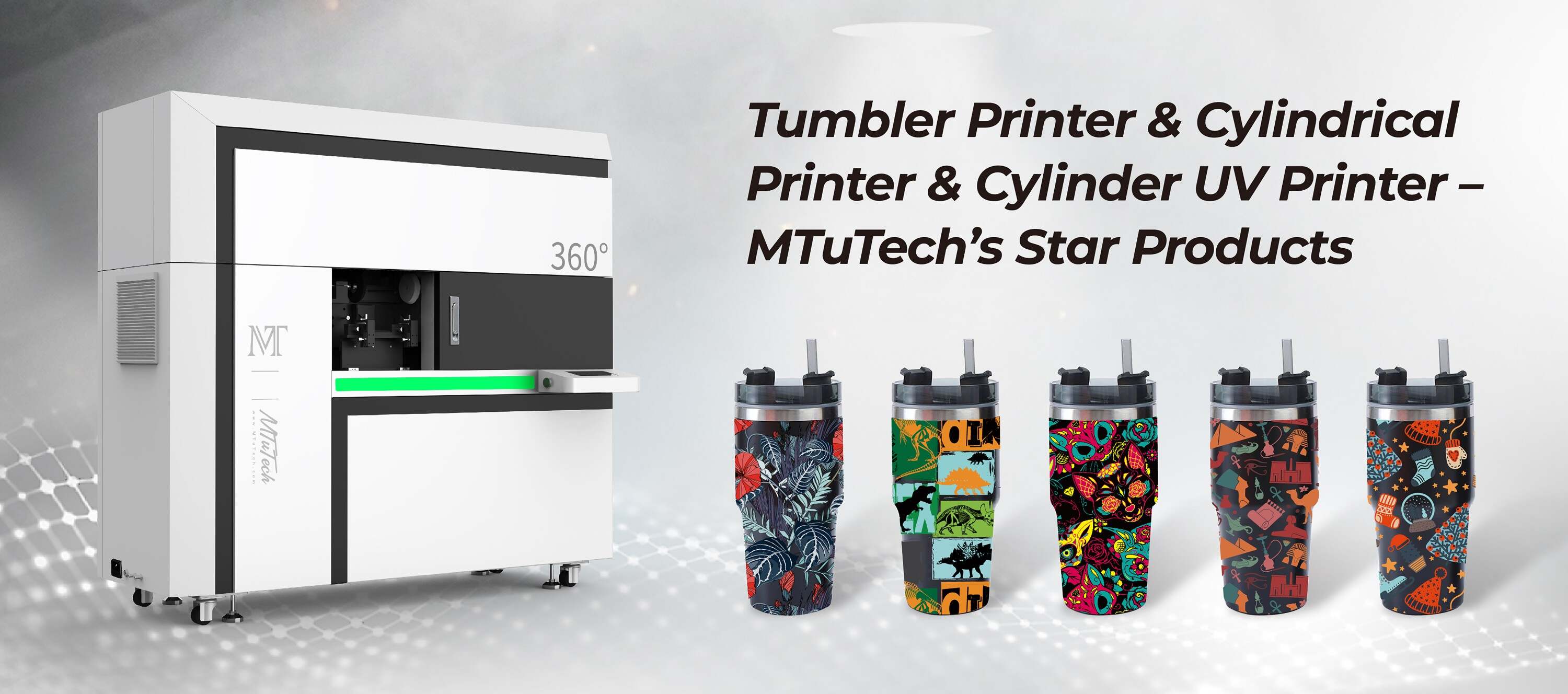
How Cylinder UV Printer Software Handles Distortion Compensation
Introduction
In the ever-evolving world of printing technology, cylinder UV printers stand out for their versatility and effectiveness in producing high-quality prints on various cylindrical surfaces. However, one challenge that manufacturers often face is distortion, which can compromise the visual integrity of the printed designs. To address this issue, advanced software systems integrated into cylinder UV printers employ distortion compensation techniques. This blog post explores how these sophisticated software solutions work to ensure that printed images maintain their intended design, even on complex curved surfaces.
The Importance of Distortion Compensation
When printing on cylindrical objects, distortion is an inherent challenge due to the curved nature of the surface. Here’s why distortion compensation is critical:
·
Preserve Design Integrity: Distortion can lead to skewed or warped designs, detracting from the overall appearance of the final product.
·
·
Improve Quality: Proper distortion compensation helps maintain high print quality, ensuring that colors and details are rendered accurately.
·
·
Enhance Customer Satisfaction: Accurate prints lead to better customer feedback and satisfaction, which is essential for businesses in a competitive market.
·
How Cylinder UV Printer Software Works
The functionality of cylinder UV printer software revolves around its ability to analyze and correct distortion through various methods. Let’s delve into the core mechanisms that enable this compensation process.
1. Pre-Printing Analysis
Before the actual printing process begins, the software conducts a preliminary analysis of the object’s surface.
·
Surface Mapping: The software scans the curvature and dimensions of the object, creating a digital model that reflects its exact shape.
·
·
Design Mapping: The original design is also mapped onto this 3D model, which helps the software identify areas where distortion might occur.
·
2. Distortion Algorithms
Once the pre-printing analysis is complete, the software uses sophisticated algorithms to compensate for potential distortions:
·
Geometric Transformations: The software applies mathematical transformations to the design, adjusting it in real-time to account for the curvature of the surface.
·
·
Image Distortion Correction: Specific adjustments to the image are made to ensure that every part of the design aligns perfectly when printed, regardless of the cylinder's shape.
·
3. Real-Time Adjustments
During the printing process, the software continuously monitors the print and makes real-time adjustments to ensure the design is rendered accurately:
·
Live Feedback: Sensors and cameras provide live feedback to the software, allowing it to make instantaneous corrections as needed.
·
·
Adaptive Learning: Over time, the software learns from previous print jobs, improving its ability to manage distortions automatically for future projects.
·
Benefits of Distortion Compensation in Cylinder UV Printing
Incorporating distortion compensation into cylinder UV printer software offers numerous advantages that can significantly enhance printing operations:
1. High-Quality Finishes
The primary benefit of distortion compensation is the enhancement of print quality. By ensuring that designs are accurately rendered, businesses can produce high-quality prints that meet client expectations.
2. Material Versatility
Cylinder UV printers can print on a wide range of materials, from plastic to metal. Distortion compensation ensures that all materials can be utilized effectively, broadening application possibilities for manufacturers.
3. Increased Productivity
Automated distortion compensation reduces the need for manual adjustments and minimizes errors, leading to faster print cycles and increased output. This improved efficiency can significantly boost production capacity.
4. Cost Efficiency
Avoiding print failures due to distortion saves time and materials, resulting in cost savings. With fewer wasted prints, businesses can operate more economically.
5. Competitive Edge
By utilizing advanced distortion compensation techniques, businesses can offer superior products and services, setting themselves apart from competitors who may not have adopted such technology.
Real-World Applications
The application of cylinder UV printer software with distortion compensation is vast. Here are some notable areas where this technology has made a significant impact:
1. Promotional Products
Customized promotional items like bottles or tumblers benefit greatly from accurate prints, ensuring logos and designs maintain their appearance even on curved surfaces.
2. Decorative Items
Artists and manufacturers producing decorative items can achieve intricate designs that remain visually appealing, regardless of the surface curvature.
3. Packaging Solutions
Cylindrical packaging such as jars and cans often feature printed designs that are critical for branding. Distortion compensation ensures that these designs are not only attractive but also align with branding standards.
Conclusion
Distortion compensation in cylinder UV printing is a game-changer for manufacturers aiming to deliver high-quality, precise prints on cylindrical surfaces. By utilizing advanced software algorithms and real-time adjustments, businesses can overcome the challenges posed by surface curvature, maintaining design integrity and enhancing productivity.
If you're interested in exploring state-of-the-art cylinder UV printing solutions, explore our high-quality Cylinder UV printers here. Embrace this technology to transform your custom printing capabilities and delight your customers with impeccable results.
FAQ
What is distortion in cylinder UV printing?
Distortion refers to the alteration of design accuracy that occurs due to the curvature of cylindrical surfaces when printing. Without compensation, images may appear skewed or warped.
How does the software know how to correct distortion?
The software performs a pre-print analysis, creating a digital model of the object for mapping the design accurately. It uses geometric transformations and algorithms to adjust the design in real-time to compensate for any distortions.
Can all cylinder UV printers handle distortion compensation?
Not all cylinder UV printers have advanced distortion compensation capabilities. It's essential to choose printers with sophisticated software that includes this feature for optimal results.
Is distortion compensation important for all printing applications?
While not every printing application requires distortion compensation, it becomes crucial in cases where design accuracy is vital, such as branding and decorative printing on cylindrical objects.
How does distortion compensation affect printing speed?
By automating the correction processes, distortion compensation enhances printer efficiency and helps increase printing speed, leading to higher production rates without sacrificing quality.