

 HOME
HOME PRODUCT CENTER
 ABOUT US
 DOWNLOAD CENTER
 SUPPORT CENTER
 SUBSCRIBE
 BLOG
BLOG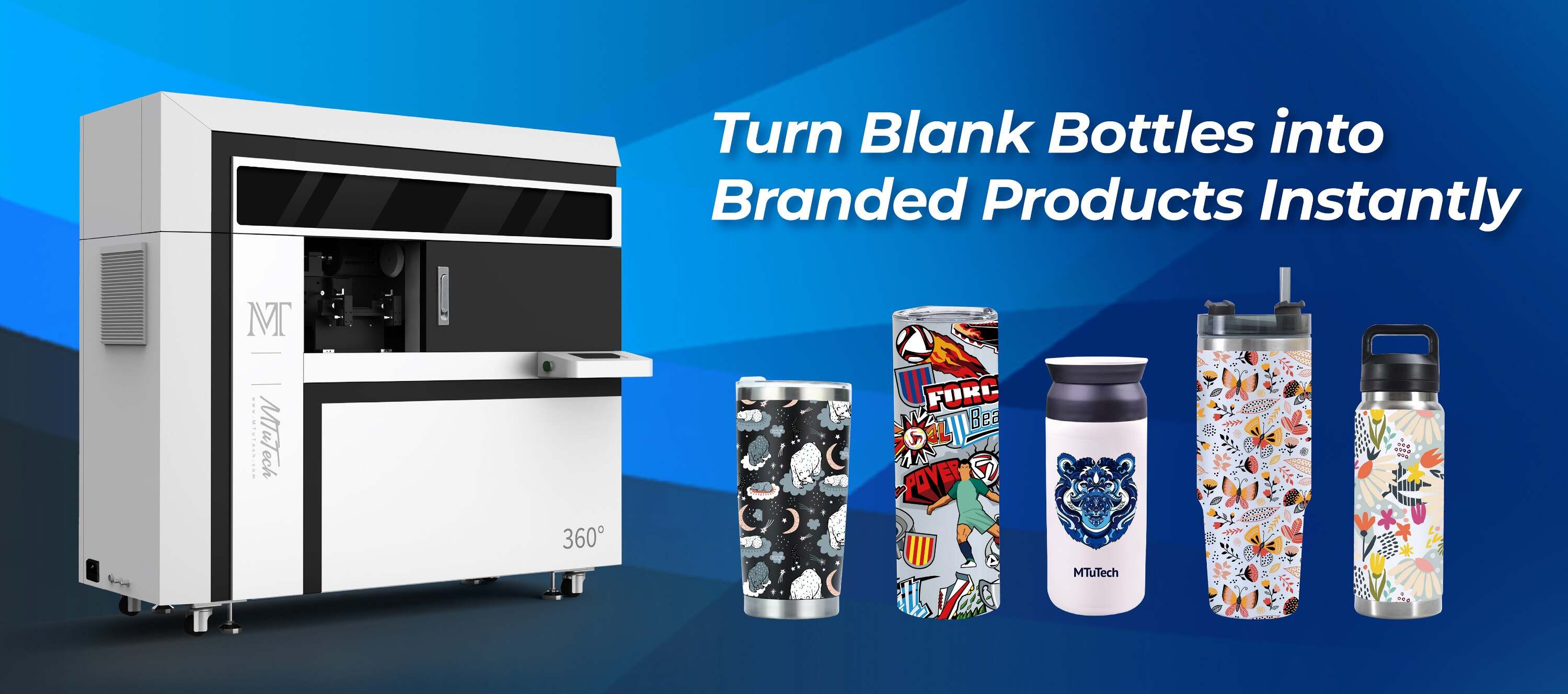
How to Print on Cylindrical Items with Uneven Surfaces
Introduction
Printing on cylindrical items can be a challenging venture, especially when dealing with uneven surfaces. Whether you're personalizing bottles, mugs, or any other cylindrical objects, achieving a high-quality print requires specific techniques and tools. In this blog post, we will explore the methods, tools, and tips you need to effectively print on uneven cylindrical surfaces, thereby enhancing your product offerings and satisfying customer requirements.
Understanding Cylindrical Printing
Cylindrical printing differs significantly from standard flat printing processes. This is primarily due to the shape and geometry involved, which can affect ink adhesion and the overall quality of the print. Whether you’re using a UV printer, screen printer, or a digital printer, understanding how to handle these challenges is crucial for achieving excellent results.
Challenges of Printing on Uneven Surfaces
Uneven surfaces present unique challenges, including:
·
Inconsistent Ink Distribution: Uneven surfaces can lead to varied levels of ink absorption and adhesion.
·
·
Alignment Issues: Aligning your printing apparatus with the cylindrical object can be more complicated when the surface isn't smooth.
·
·
Durability Concerns: Prints on uneven surfaces may not last as long if proper techniques are not used, leading to peeling or fading.
·
Techniques for Effective Printing
Successfully printing on cylindrical items with uneven surfaces requires an understanding of various techniques and technologies. Here are several methods that can enhance your printing process:
1. Cylinder Attachments
Opt for printing equipment that includes cylinder attachments designed specifically for uneven surfaces. These attachments can stabilize the item during printing, ensuring a more consistent application of ink. Such attachments often include adjustable grips and clamps that accommodate various shapes and sizes.
2. Heat Transfer Printing
Heat transfer printing can be an effective method for items with uneven surfaces. This technique involves the transfer of graphics from a special paper to the surface of the object using heat and pressure. This method allows for high-precision transfers, making it a popular choice for bottles and mugs.
3. UV Printing Technology
UV printing is becoming increasingly popular for printing on uneven cylindrical surfaces. It involves using ultraviolet light to cure or dry the ink as it is printed. This method allows for immediate handling, ensuring that your prints remain sharp and durable. To achieve the best results, make sure that your UV printer supports various shapes and sizes or uses adjustable fixtures.
4. Use of Thick Inks
When dealing with uneven surfaces, thicker inks can provide better coverage. They fill in the gaps and create a more even look across the surface. However, consider the curing process as it can be affected by the thickness of the ink.
Best Practices for Printing on Cylindrical Items
To achieve the best results, follow these best practices when printing on cylindrical items with uneven surfaces:
1. Surface Preparation
Ensure that the surface of the object is clean and free from dust, oils, or contaminants. This can be done using a suitable cleaning agent. Proper surface preparation enhances ink adhesion and overall print quality.
2. Test Print
Before committing to a bulk order, always conduct a test print. This helps identify potential issues with adhesion or alignment. Use scrap materials similar to your final product for accurate testing.
3. Calibration of Equipment
Regularly calibrate your printing equipment to maintain quality. Ensuring that the print head is aligned correctly and that the right pressure is applied can prevent common printing errors.
4. Adjust Print Settings
Adjust the print settings based on the item you’re printing on. Factors like speed, resolution, and ink flow must be fine-tuned according to the surface type. Customizing these settings will yield better results.
Choosing the Right Equipment
Selecting the right equipment is critical for printing on cylindrical items with uneven surfaces. Here are key factors to consider:
1. Type of Printer
Various printing technologies are available; choose one that excels in printing on non-flat surfaces, such as cylindrical printers or inkjet printers specifically designed for uneven shapes.
2. Printing Software
Ensure that you are using printing software that can output designs suited for cylindrical printing. Features like template creation for different shapes can save you time and effort.
3. Quality of Inks
Not all inks are created equal. For uneven surfaces, choose high-quality inks that promise good adhesion and durability. UV inks and solvent inks are popular choices due to their versatility and performance.
Conclusion
Printing on cylindrical items with uneven surfaces may initially seem daunting, but with the right techniques and equipment, it can yield amazing results. By employing practices like surface preparation, using the right tools, and ensuring proper calibration, you can create stunning prints that enhance your products' appeal. For businesses looking to elevate their printing capabilities, investing in a quality cylindrical printer is essential. Explore our high-quality Cylindrical printers here to find the perfect solution for your needs!
FAQ
Can I use standard printers for cylindrical printing?
While standard printers can be used for some cylindrical items, they often lack the necessary attachments and adjustments required for uneven surfaces. Investing in a printer designed specifically for cylindrical objects will yield better results.
What inks work best for uneven surfaces?
UV inks and thicker solvent-based inks are typically the best choices for uneven surfaces as they provide better adhesion, durability, and flexibility.
How can I ensure my prints last long on uneven surfaces?
To ensure longevity, properly prepare the surface before printing, select high-quality inks, and consider using a protective coating post-printing.
Is heat transfer a good option for all cylindrical items?
Heat transfer is effective on many cylindrical items but may not be suitable for heat-sensitive materials. Always test the method on a sample to determine compatibility.
What are the common mistakes to avoid in cylindrical printing?
Common mistakes include inadequate surface preparation, misalignment of the print, and using incorrect printer settings. Taking the time to test and calibrate can help avoid these pitfalls.