

 HOME
HOME PRODUCT CENTER
 ABOUT US
 DOWNLOAD CENTER
 SUPPORT CENTER
 SUBSCRIBE
 BLOG
BLOG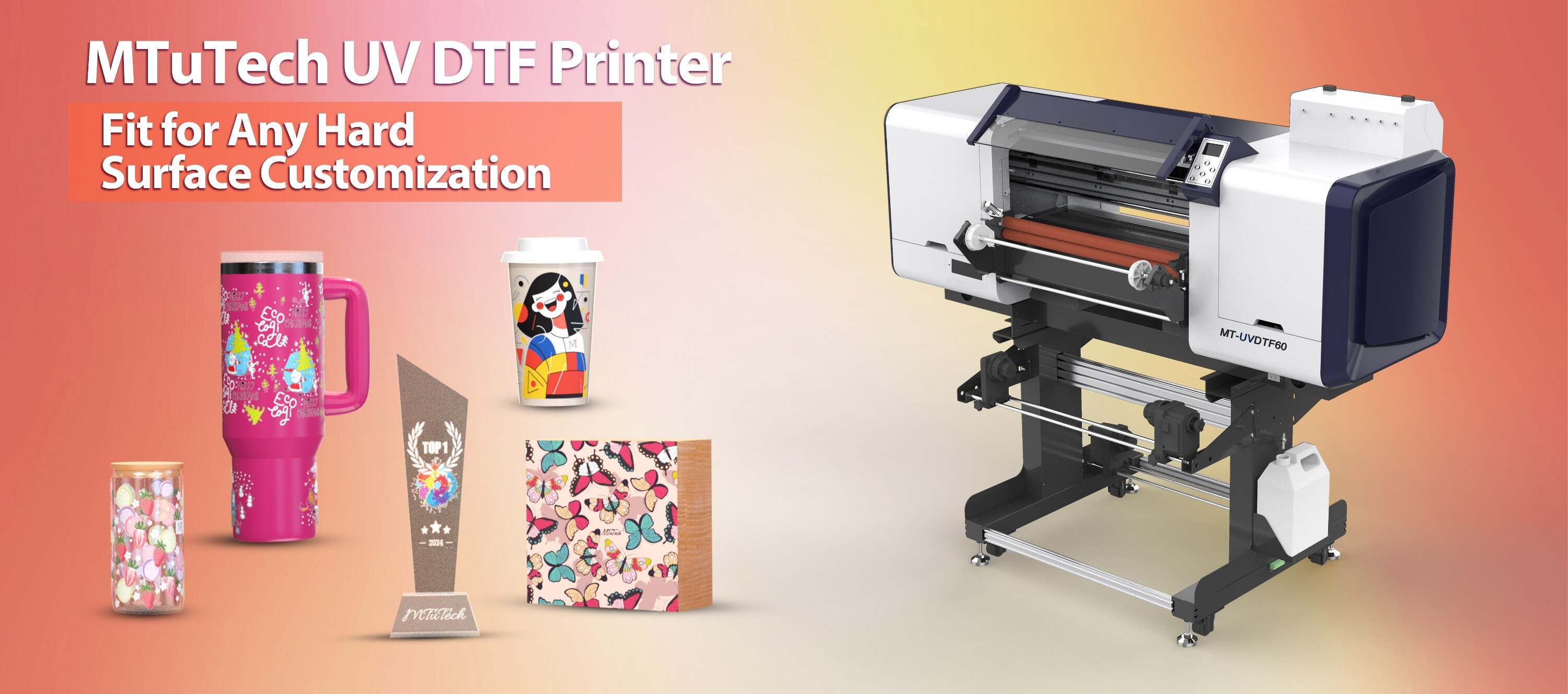
Introduction
In an age where environmental sustainability is at the forefront of public consciousness, industries are actively seeking eco-friendly alternatives in their processes. The printing industry, known for its significant environmental footprint, is no exception. Among the innovative solutions that have emerged, UV Direct-to-Film (DTF) printers stand out as a revolutionary and sustainable option for businesses of all sizes. This blog post explores the eco-friendly features of UV DTF printers, their benefits, and why they are a significant step toward reducing the environmental impact of printing.
Understanding UV DTF Printing
Before diving into the eco-friendly aspects, it’s essential to understand how UV DTF printing works. This printing technology uses ultraviolet light to cure the ink as it is printed on the film. The process allows for high-quality prints with vibrant colors and durable results. Traditionally, printing methods often involved excessive waste, harmful chemicals, and non-biodegradable materials. In contrast, UV DTF technology minimizes these issues, paving the way for a more sustainable approach.
Benefits of Eco-friendly UV DTF Printers
1. Reduced Chemical Usage
Conventional printing often relies on solvent-based inks that can contain volatile organic compounds (VOCs) harmful to both health and the environment. UV DTF printers use eco-friendly inks with significantly lower emissions and toxicity, ensuring a safer workplace and reducing environmental pollution.
2. Energy Efficiency
UV DTF printers are designed to be energy-efficient. The curing process requires less energy compared to traditional printing processes that involve heat drying methods. As a result, businesses can significantly reduce their energy consumption, contributing to lower greenhouse gas emissions.
3. Waste Reduction
One of the significant challenges in traditional printing is waste management. UV DTF printing technology allows for precise printing on demand, minimizing material waste. Additionally, the films used in the process are generally recyclable, which further reduces the overall impact on landfills.
4. Long-lasting Prints
The durability of prints produced by UV DTF printers can’t be overstated. They are resistant to scratches, fading, and water, which means products last longer and reduce the need for frequent reprints. This longevity is environmentally friendly as it further decreases material usage over time.
Key Features of Eco-friendly UV DTF Printers
1. Versatility in Applications
UV DTF printers can print on a variety of surfaces, including textiles, wood, metal, glass, and more. This versatility allows businesses to create various products without needing multiple printing systems, reducing the resources needed for production.
2. Low Ink Consumption
These printers use advanced technology that ensures optimal ink application. As a result, they require less ink without compromising quality, leading to more economical printing processes. Reduced ink consumption translates directly to less environmental impact.
3. Customization Capabilities
Custom printing is highly sought after in today’s market. UV DTF printers allow for custom designs, enabling businesses to offer unique products without the need for bulk printing runs. This capability supports smaller companies in minimizing waste associated with unsold items.
4. User-friendly Operation
Modern UV DTF printers are equipped with intuitive interfaces and automation features that simplify operation. Users can easily manage settings, monitor performance, and maintain the printer efficiently. This ease of use not only enhances productivity but also reduces the learning curve for staff.
Cost Considerations
1. Initial Investment vs. Long-term Savings
While the initial cost of eco-friendly UV DTF printers might be higher than traditional models, the long-term savings can be substantial. With reduced ink usage, lower energy costs, and less waste, businesses can recoup their investment over time.
2. Competitive Advantage
As consumers become increasingly eco-conscious, businesses leveraging sustainable practices can enjoy a competitive edge. Offering products produced with eco-friendly methods attracts environmentally minded consumers, potentially increasing customer loyalty and brand reputation.
Conclusion
In conclusion, eco-friendly UV DTF printers are transforming the printing landscape by providing sustainable, efficient, and high-quality solutions. With the pressing need for businesses to adopt greener practices, these printers stand out as a viable option for reducing environmental impact while catering to market demands for customization and quality. Now is the right time for businesses to explore how this innovative technology can streamline their operations sustainably.
For those looking to embrace a greener future in printing, explore our high-quality UV-DTF printers here and take the first step toward an eco-friendly production process.
FAQ
What is the difference between UV printing and traditional printing methods?
Traditional printing methods often involve water or solvent-based inks that require drying time, which can lead to longer production times. In contrast, UV printing uses ultraviolet light to cure the ink instantly, allowing for faster results and reducing the need for solvents or chemicals that could harm the environment.
Can UV DTF prints be applied to any material?
Yes! UV DTF prints are versatile and can be applied to various substrates, including plastics, metals, textiles, wood, and glass. This adaptability makes them suitable for a wide range of applications, from promotional products to custom apparel.
Are UV DTF printers suitable for small businesses?
Absolutely! UV DTF printers are well-suited for small businesses due to their ability to produce high-quality prints on demand, allowing for low inventory levels and customization without large upfront investments.
How do UV DTF printers contribute to sustainability?
UV DTF printers contribute to sustainability by reducing waste through precise ink usage, lowering energy consumption, and using eco-friendly inks that are less harmful to the environment. Additionally, the durability of the prints means less frequent reprinting and reduced overall material consumption.
What maintenance is required for UV DTF printers?
Regular maintenance for UV DTF printers includes cleaning the printheads and replacing parts as needed, along with keeping the printer free of dust and debris to ensure optimal performance. Most modern printers include user-friendly maintenance options to make this process straightforward.