

 HOME
HOME PRODUCT CENTER
 ABOUT US
 DOWNLOAD CENTER
 SUPPORT CENTER
 SUBSCRIBE
 BLOG
BLOG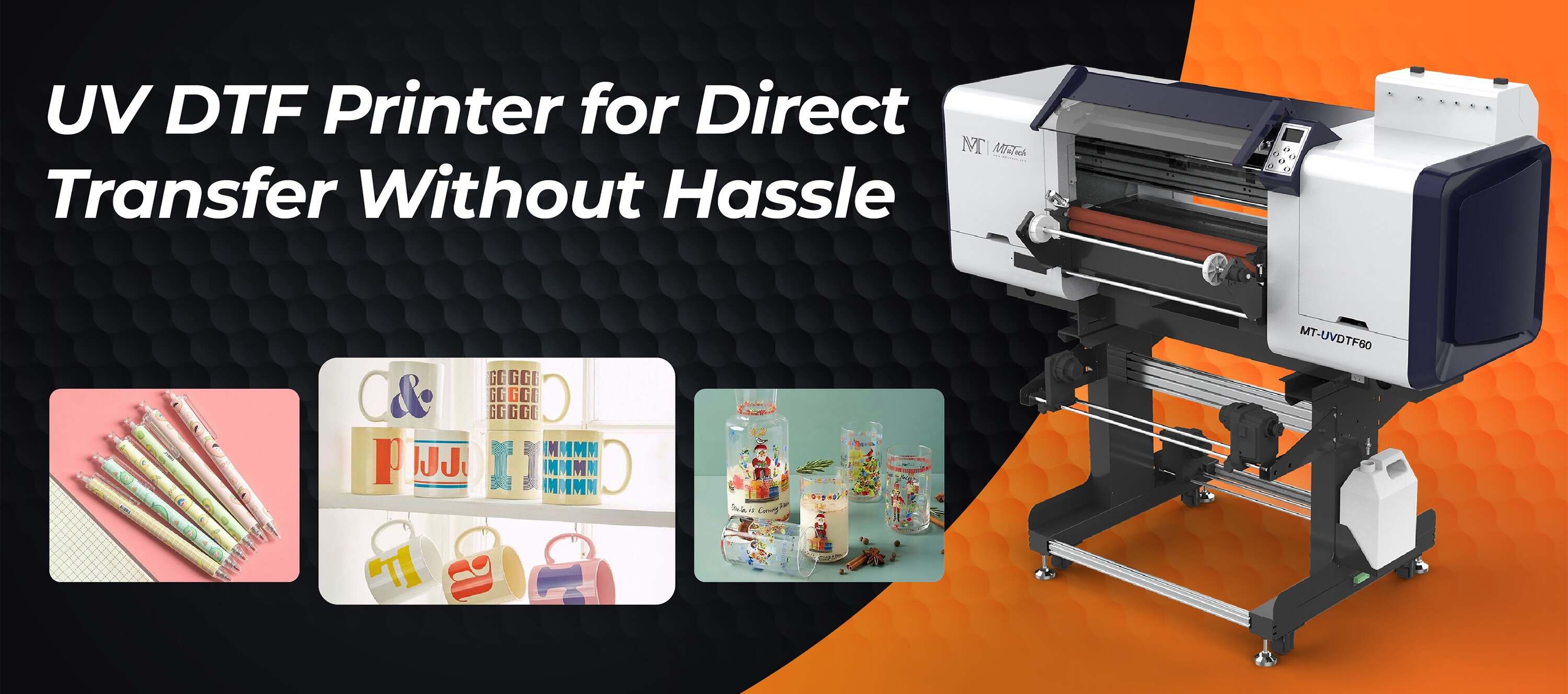
Introduction
In the world of digital printing, the choice between a flatbed UV DTF (Direct-to-Film) printer and a roll-to-roll UV DTF printer can significantly impact your business outcomes. Both machines offer unique advantages and cater to different printing needs. Understanding their differences, features, and capabilities will help you make an informed decision suitable for your printing requirements.
What is a UV DTF Printer?
A UV DTF printer utilizes ultraviolet light to cure or dry the ink as it is printed. This technology allows for vibrant colors, high-quality prints, and the ability to print on various substrates, making it an attractive choice for businesses looking to expand their product offerings.
Types of UV DTF Printers
Before diving into the comparison, it’s essential to understand the two main types of UV DTF printers: flatbed and roll-to-roll. Each type has its design, printing process, and best applications.
Flatbed UV DTF Printers
Flatbed UV DTF printers feature a flat printing surface where items are placed directly on the bed. This design allows for printing on rigid materials and various objects.
Roll-to-Roll UV DTF Printers
Roll-to-roll UV DTF printers operate by feeding a roll of substrate through the printer. This method is particularly effective for large print jobs and continuous media.
Key Comparisons Between Flatbed and Roll-to-Roll UV DTF Printers
1. Versatility of Media
One of the most crucial factors in choosing a printer is its versatility regarding the types of media it can print on.
Flatbed UV DTF Printers: These printers excel in printing on rigid substrates—like wood, metal, glass, and acrylic. They can handle a diverse range of shapes and sizes, making them optimal for unique, industrial designs.
Roll-to-Roll UV DTF Printers: These printers are designed to print on flexible materials such as banners, vinyl, and textiles. They are ideal for continuous feeding, which is beneficial for businesses that produce large quantities of printed materials.
2. Print Quality and Detail
Print quality is essential for customer satisfaction and brand reputation.
Flatbed UV DTF Printers: Generally, these printers offer high-resolution printing with impressive detail. They are especially effective for intricate designs and photographic images due to their precise print heads.
Roll-to-Roll UV DTF Printers: While they also provide excellent print quality, the focus on flexible substrates may slightly affect the detail when printing compared to flatbed models. However, advancements in technology continue to close this gap.
3. Production Speed
Time is money in the printing industry; therefore, production speed should be considered.
Flatbed UV DTF Printers: Typically, they may operate at a slower pace due to the need for precise placement of each item onto the flatbed. This makes them better suited for smaller runs or specialized projects.
Roll-to-Roll UV DTF Printers: These units are efficient for mass production as they can continuously print long runs of media, optimizing throughput and increasing overall productivity.
4. Space Requirements
The physical footprint of the printer can impact your workspace.
Flatbed UV DTF Printers: These printers can take up more space due to their design. They require a dedicated area for the flatbed and additional room for loading and unloading materials.
Roll-to-Roll UV DTF Printers: Typically more compact, these printers can fit into smaller production areas, which can be advantageous for businesses with limited space.
5. Cost Implications
The initial investment and ongoing operational costs can vary widely between the two types of printers.
Flatbed UV DTF Printers: Generally, these printers have a higher upfront cost due to their advanced technology and capabilities. However, they can prove to be a worthwhile investment for companies focusing on high-quality, specialized work.
Roll-to-Roll UV DTF Printers: Often more affordable initially, these printers provide cost advantages when printing in bulk. Their efficiency may lead to lower operational costs over time, especially for mass production.
Benefits of Each Printer Type
Benefits of Flatbed UV DTF Printers
Ability to print on various rigid substrates.
High-quality, detailed prints suitable for intricate designs.
More customization options for unique products.
Benefits of Roll-to-Roll UV DTF Printers
Efficient for large production runs.
Greater flexibility for printing on long rolls of different materials.
Lower operational costs for mass-produced projects.
Choosing the Right Printer for Your Business
Your decision ultimately hinges on your specific needs and business goals. Consider the following factors when making your choice:
Type of products you plan to print (rigid vs. flexible).
Your production volume and speed requirements.
Budget constraints and operating costs.
Space available for the equipment.
Conclusion
Both flatbed and roll-to-roll UV DTF printers have unique features and benefits catering to different printing needs. While flatbed printers excel in versatility and print quality for rigid materials, roll-to-roll printers shine in efficiency and flexibility for large print runs. Assessing your specific business requirements and production goals will guide you toward the right printer choice. For those looking to invest in high-quality UV DTF printers, explore our high-quality UV-DTF printers here and find the ideal machine for your needs.
FAQ
What is the main difference between flatbed and roll-to-roll UV DTF printers?
The main difference lies in their printing capabilities: flatbed UV DTF printers can print on rigid materials and various shapes, while roll-to-roll UV DTF printers are designed for flexible media and continuous prints.
Which printer is better for small business needs?
If your business requires custom, high-quality prints on rigid substrates, a flatbed UV DTF printer may be the best choice. However, if mass production of flexible materials is your focus, a roll-to-roll printer would be more efficient.
Are rollers necessary for both types of printers?
Rollers are not essential for flatbed printers since they operate on a flat surface. However, roll-to-roll printers rely on rollers to feed the material through the printer efficiently.
Can both printers handle various substrates?
Yes, both printer types can handle different substrates, but their efficiency varies based on the material's rigidity or flexibility. Flatbed printers offer more versatility in rigid materials, while roll-to-roll printers excel with flexible substrates.