

 HOME
HOME PRODUCT CENTER
 ABOUT US
 DOWNLOAD CENTER
 SUPPORT CENTER
 SUBSCRIBE
 BLOG
BLOG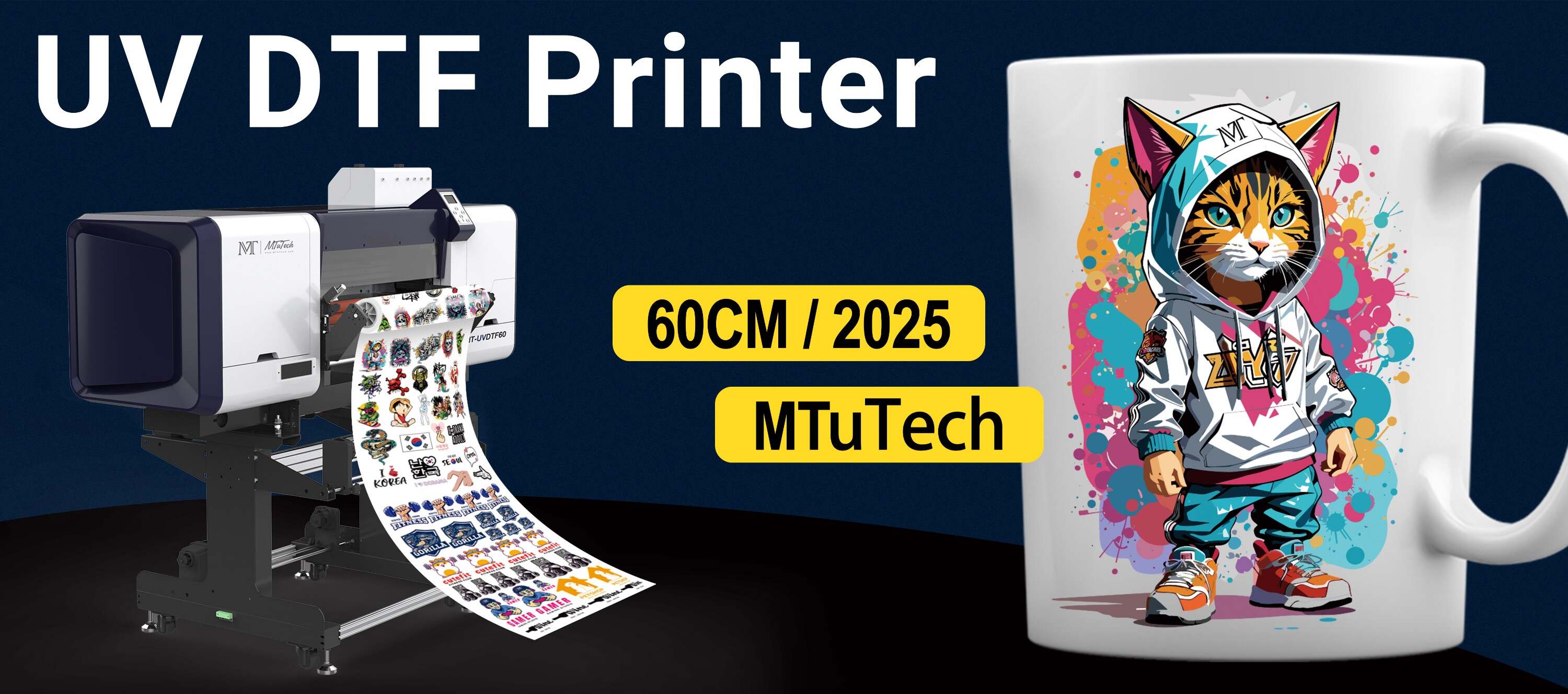
Introduction
As digital printing continues to evolve, UV DTF (Direct-to-Film) printers are emerging as a game-changing technology for customized printing solutions. These printers leverage ultraviolet (UV) light to cure inks almost instantly, enabling high-quality prints on a variety of substrates. With their growing market presence, understanding the future trends, technologies, and innovations in UV DTF printers can help businesses stay ahead of the competition.
What Are UV DTF Printers?
UV DTF printers are specialized machines that utilize UV light to cure inks printed onto film. This process allows for vibrant colors, high durability, and the ability to print on unusual surfaces, including plastics, metals, and fabrics. As businesses look for versatile printing solutions, UV DTF printers have become increasingly popular due to their efficiency and quality.
Current Trends in UV DTF Printing
Personalization and Customization
One of the most significant trends in the UV DTF printing industry is the demand for personalized and customized products. Whether it's custom apparel, promotional items, or unique gifts, businesses are looking to offer more tailored solutions for their customers. UV DTF printers excel in this area, enabling quick turnaround times and high-quality outputs.
Environmentally Friendly Practices
With increasing awareness of environmental issues, many companies are seeking sustainable printing options. UV-DTF printers use eco-friendly inks that emit minimal VOCs (volatile organic compounds) compared to traditional printing methods. This trend toward sustainability is shaping the future of the industry as more businesses prioritize eco-conscious practices.
Integration of Digital and Traditional Techniques
The blend of digital and traditional printing processes is another trend gaining traction. Many businesses are integrating UV DTF printing with screen printing or other methods to enhance their offerings. This hybrid approach enables companies to achieve vibrant colors and intricate designs, catering to a broader range of customer preferences.
Innovations in UV DTF Technology
Improved Curing Technologies
One of the key focuses for manufacturers is the development of more efficient UV curing systems. Some of the latest innovations include:
LED UV curing technology, which consumes less energy and has a longer lifespan.
Instant curing processes that allow for faster production speeds, reducing overall turnaround time.
These advancements not only enhance productivity but also improve the quality and durability of printed products.
Enhanced Print Quality and Resolution
As competition increases, manufacturers are striving to produce printers that offer superior print quality and higher resolutions. Innovations in ink formulation and printer technology are leading to:
Wider color gamuts for more vivid images.
Higher resolutions for sharper details.
These improvements will continue to set higher standards in the industry, making UV DTF printers appealing to a broader audience.
Software Advancements
Software plays a crucial role in optimizing the printing process. As technology evolves, we can expect:
More user-friendly interfaces that simplify operation.
Advanced color management tools to ensure accurate color reproduction.
Integration with e-commerce platforms, allowing seamless order processing and production.
These advancements will make it easier for businesses to manage their production and order fulfillment processes.
The Future of UV DTF Printers
Market Growth and Potential
The demand for UV DTF printers is projected to grow significantly in the coming years. This growth is driven by the increasing need for customized printing solutions across various industries, including fashion, advertising, and packaging. Businesses that invest in UV DTF technology now are likely to benefit from early market entry and expanded customer bases.
Versatility Across Industries
The versatility of UV DTF printers opens opportunities across a range of industries:
Textiles and Fashion: Custom apparel and promotional products.
Packaging: Unique designs for product packaging solutions.
Signage: Durable and visually appealing outdoor and indoor signs.
As these printers become more refined, their adaptability will continue to draw interest from various market sectors.
Conclusion
The future of UV DTF printers is bright, characterized by constant innovation and adaptation to market demands. As technology evolves, businesses will find themselves better equipped to meet customer needs for personalized, high-quality printing solutions. With trends leaning towards sustainability, customization, and efficiency, investing in UV DTF printers can provide a competitive edge in today's fast-paced printing landscape. If you're considering this technology for your printing needs, explore our high-quality UV-DTF printers here.
FAQ
What types of materials can be printed on using UV DTF printers?
UV DTF printers can print on a wide range of materials, including textiles, plastics, metals, glass, and wood. This versatility allows businesses to cater to diverse customer needs.
How does UV curing work in UV DTF printing?
UV curing involves exposing the printed ink to ultraviolet light, which instantly cures or hardens the ink. This process results in vibrant colors and durable prints that are resistant to fading and wear.
Are UV DTF printers suitable for small businesses?
Yes, UV DTF printers can be ideal for small businesses looking to offer customized products. They are relatively easy to operate and can produce high-quality prints efficiently, making them a strong asset for growing enterprises.
What are the maintenance requirements for UV DTF printers?
Regular maintenance of UV DTF printers includes cleaning the print heads, checking the ink levels, and ensuring the UV lamps are functioning optimally. Following the manufacturer’s guidelines will help maintain print quality and prolong the printer's lifespan.
What is the average lifespan of a UV DTF printer?
The lifespan of a UV DTF printer can vary based on usage, quality of maintenance, and the specific model. However, with proper care, these printers can last several years, making them a sound investment for your printing business.