

 HOME
HOME PRODUCT CENTER
 ABOUT US
 DOWNLOAD CENTER
 SUPPORT CENTER
 SUBSCRIBE
 BLOG
BLOGUV DTF Printers for Mugs and Ceramics: The Complete Guide
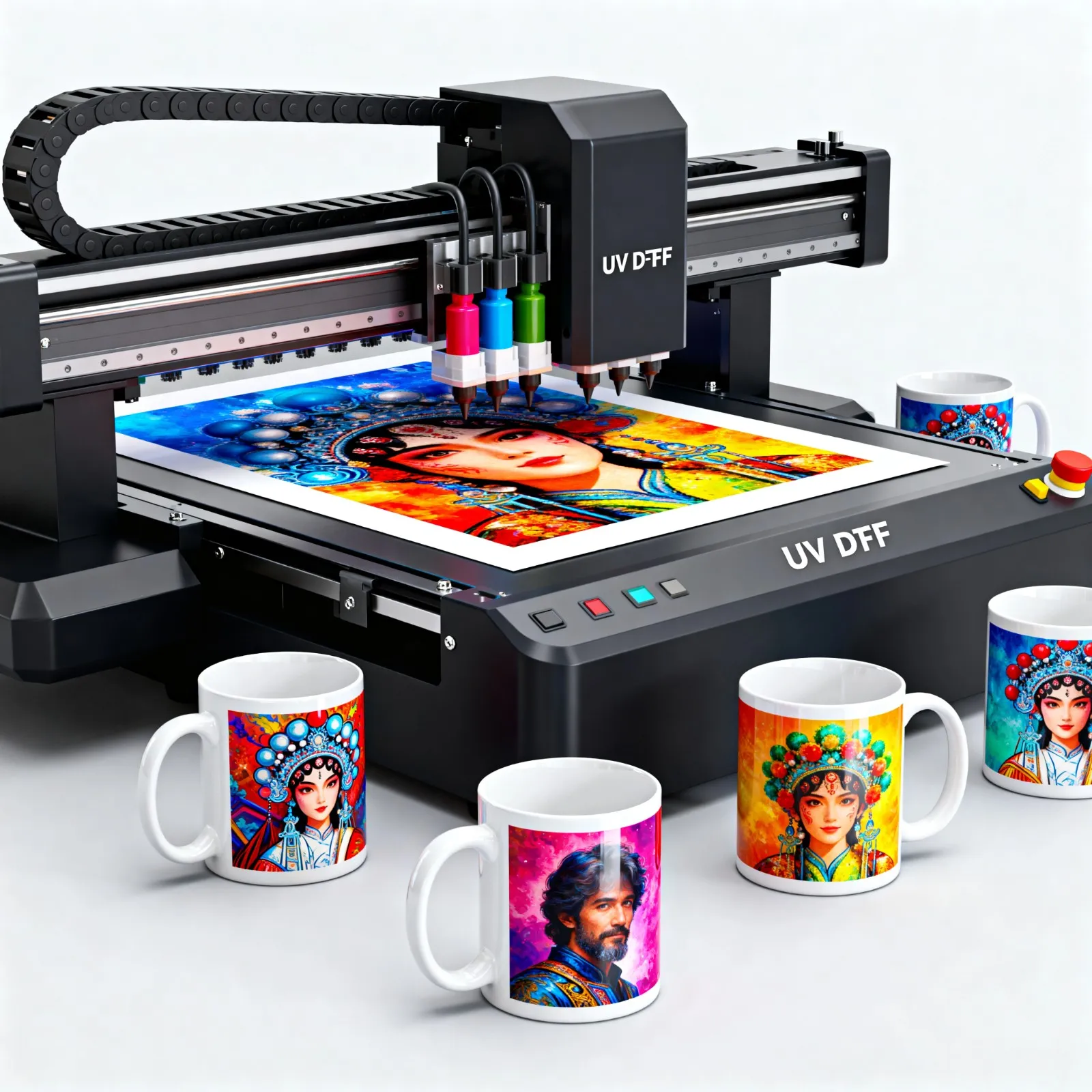
Personalized mugs, ceramic tiles, and custom drinkware have become some of the most profitable and in-demand products in today’s customization market. From corporate branding and promotional giveaways to wedding favors and Etsy shops, customers want durable, high-quality designs that look professional and last long. Traditional printing methods such as sublimation and screen printing can be limiting when it comes to material compatibility, setup complexity, and color vibrancy.
This is where UV DTF printing enters the picture.
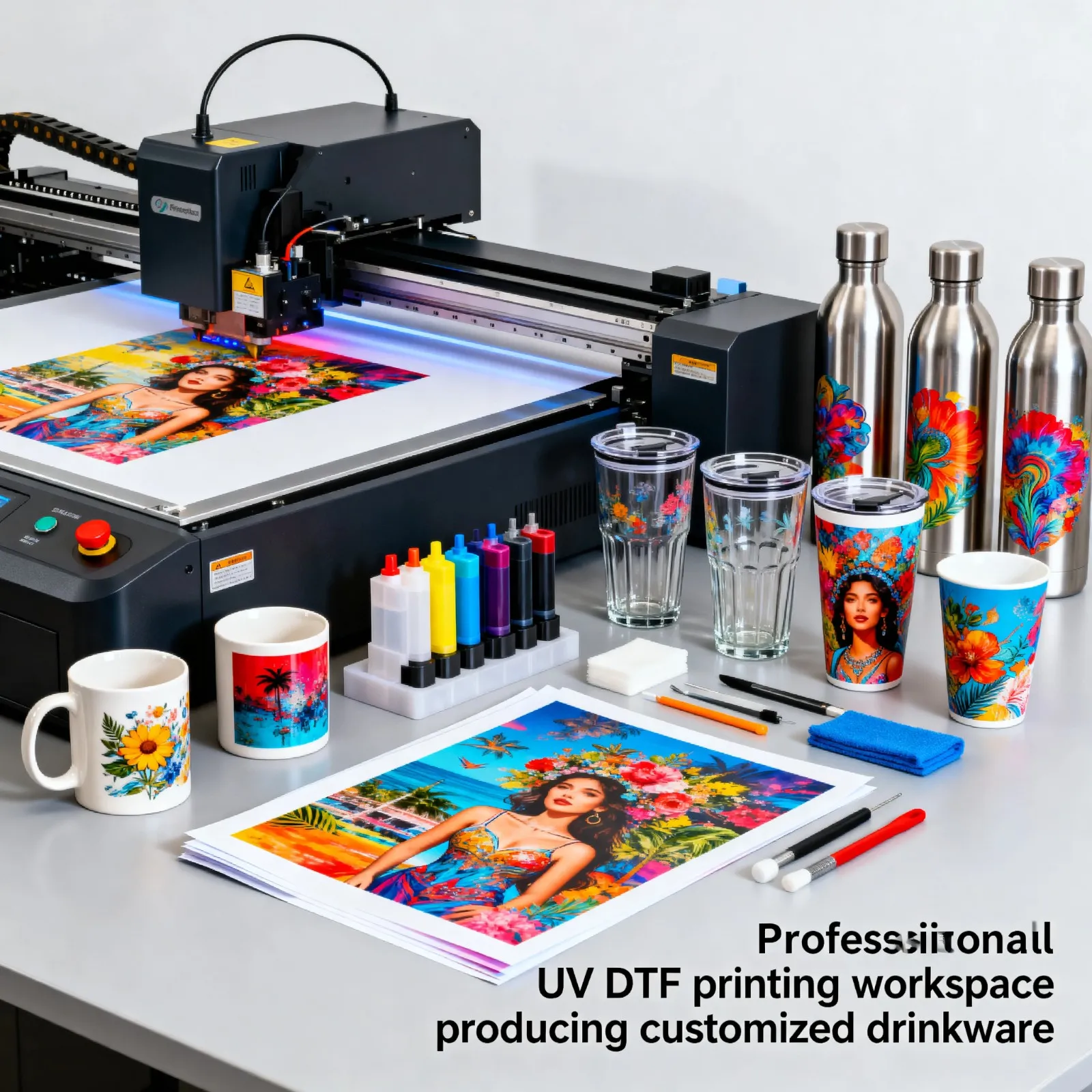
A UV DTF printer allows you to create premium, full-color, waterproof transfers that adhere beautifully to curved and rigid surfaces like ceramic mugs, glass tumblers, metal bottles, plastic containers, and more—without needing coatings or heat presses in most workflows. The result is a faster production cycle, lower material waste, and a superior finish that stands up to washing, scratching, and daily use.
Whether you’re starting a mug printing business, expanding your customization services, or upgrading from older printing technologies, understanding how UV DTF printers work and how to use them effectively is essential. This in-depth guide will walk you through:
What a UV DTF printer is and how it works
Why UV DTF printing is ideal for mugs and ceramics
How it compares to sublimation and other printing methods
What features to look for when buying a printer
Step-by-step workflows for professional-quality results
Maintenance tips, troubleshooting advice, and business applications
By the end of this article, you’ll have a complete understanding of how to use UV DTF printing to create long-lasting, high-impact ceramic and mug designs while building a scalable customization business.
What Is a UV DTF Printer?
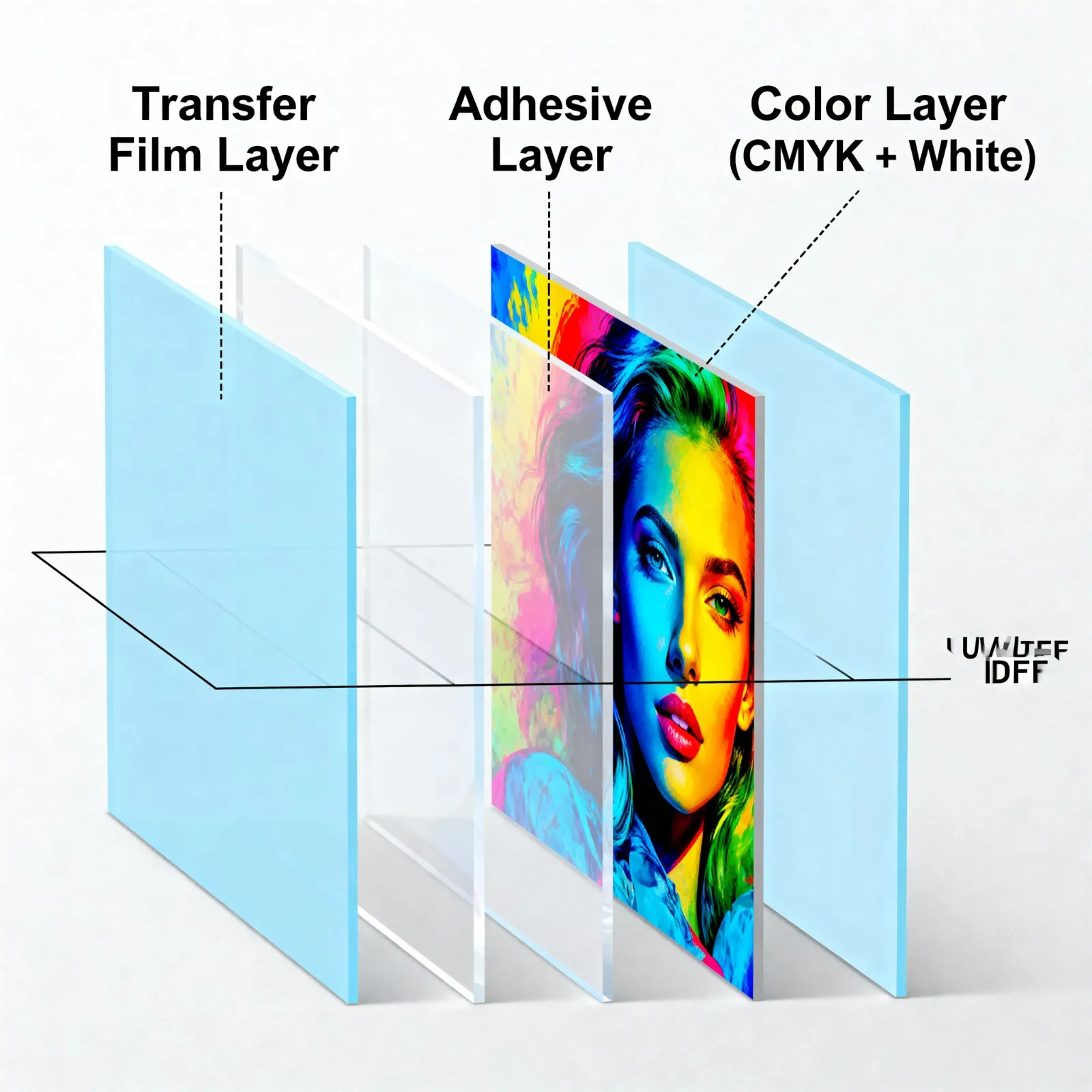
A UV DTF printer combines two advanced technologies: UV inkjet printing and direct-to-film (DTF) transfer systems. Instead of printing directly onto the final product, the printer creates a high-resolution design on a special adhesive film. This printed film is then transferred to the target surface, forming a strong bond without the need for heat or special coatings.
Unlike traditional inkjet printers, UV DTF machines use UV-curable inks. These inks are instantly hardened using ultraviolet light during the printing process, resulting in crisp details, bold colors, and superior durability. The cured ink forms a slightly raised texture, giving the final print a premium, tactile finish that customers often associate with luxury branding.
How UV DTF Printing Works
The UV DTF workflow generally involves three core layers:
Color Layer (CMYK + White)
The printer first lays down white ink, followed by CMYK colors. The white base ensures vibrant colors even on dark or transparent surfaces.Adhesive Layer
A clear adhesive coating is applied to the printed design, allowing it to bond securely to the mug or ceramic surface.Transfer Film Layer
The final design sits on a peelable film that you position and apply to the product manually.
Once applied, the film is peeled away, leaving behind a permanent, waterproof, scratch-resistant graphic.
This process makes UV DTF printers ideal for non-porous and curved surfaces, including:
Ceramic mugs and plates
Glass bottles and jars
Stainless steel tumblers
Acrylic signage
Plastic containers
Wood décor
Why UV DTF Printing Is Perfect for Mugs and Ceramics
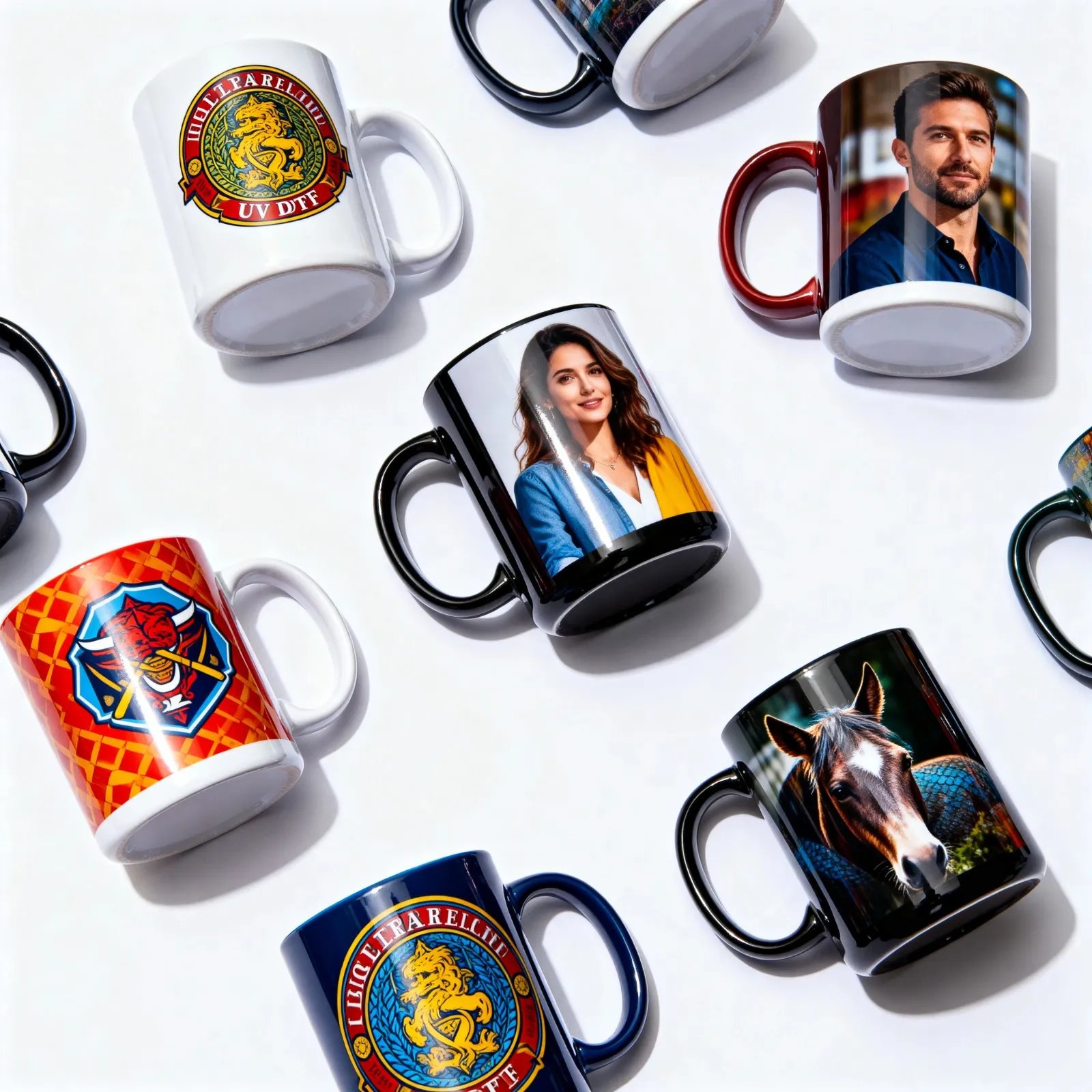
Mugs and ceramic products present unique challenges for decorators. Their curved surfaces, glossy finishes, and rigid structures make traditional printing methods difficult or expensive. UV DTF printing solves these challenges by delivering precision, flexibility, and professional results.
1. No Coating or Pretreatment Required
Unlike sublimation printing, which requires polyester-coated ceramics, UV DTF transfers adhere directly to untreated ceramic surfaces. This gives you more freedom to source blank mugs at lower cost and from a wider variety of suppliers.
2. Exceptional Durability
UV-cured inks resist:
Water and moisture
UV fading from sunlight
Scratches and abrasions
Mild detergents
This durability makes UV DTF prints suitable for daily-use drinkware, promotional items, and retail products.
3. Full-Color, Photo-Quality Output
UV DTF printers produce ultra-sharp details, smooth gradients, and accurate color reproduction. This makes them ideal for:
Logos
Photographs
Intricate illustrations
Text-heavy designs
Even small fonts and fine details remain crisp after curing and transfer.
4. Works on Curved and Irregular Surfaces
Because UV DTF prints are transferred manually, they conform easily to curved surfaces like mug handles, tapered tumblers, and cylindrical containers—something that flatbed UV printers struggle with.
5. Faster Production with Minimal Setup
There’s no heat press setup, no lengthy curing process, and no complex alignment fixtures required. This means:
Faster turnaround times
Lower production costs
Easier onboarding for new operators
UV DTF vs Other Mug Printing Methods
Understanding how UV DTF compares to alternative printing technologies helps clarify why it has become one of the fastest-growing decoration methods in the custom drinkware market.
UV DTF vs Sublimation Printing
| Feature | UV DTF Printing | Sublimation Printing |
|---|---|---|
| Surface compatibility | Works on most materials | Requires polyester coating |
| Durability | High scratch and water resistance | Good but can fade over time |
| Setup complexity | Low | Moderate |
| Works on dark mugs | Yes | No |
| Curved surface adaptability | Excellent | Limited |
Sublimation is popular for photo mugs but restricts you to specially coated products and light-colored substrates. UV DTF eliminates these limitations.
UV DTF vs Screen Printing
| Feature | UV DTF Printing | Screen Printing |
|---|---|---|
| Setup time | Minimal | High |
| Cost for small batches | Low | High |
| Design complexity | Unlimited colors | Limited colors |
| Customization capability | Excellent | Poor |
Screen printing remains viable for very large runs with simple designs, but UV DTF offers far more flexibility for on-demand production and personalization.
UV DTF vs Direct UV Flatbed Printing
Flatbed UV printers can print directly onto mugs using rotary attachments, but:
They are significantly more expensive
Setup time is longer
Printing on tapered surfaces is challenging
Maintenance costs are higher
UV DTF printers offer comparable quality at a fraction of the cost and complexity.
How UV DTF Printers Work: Technology Breakdown
To better understand why UV DTF printing delivers such strong results, it helps to explore the technology behind it.
UV Inkjet Printing
UV printers use piezoelectric inkjet heads to spray microscopic droplets of ink onto film. As soon as the ink hits the surface, ultraviolet LED lamps cure it instantly, preventing ink bleed, smearing, or absorption issues.
White Ink Layering
One of the biggest advantages of UV printing is white ink capability. This allows designs to remain vibrant even when applied to dark or transparent surfaces such as black mugs, glass jars, or stainless steel tumblers.
Adhesive Film Technology
The adhesive transfer film used in UV DTF printing ensures that:
The ink bonds securely to non-porous surfaces
The design conforms smoothly to curves
The finished print feels seamless and professional
This layered approach makes UV DTF transfers far more durable than vinyl decals or water-slide transfers.
Key Benefits of Using a UV DTF Printer
Using a UV DTF printer for mugs and ceramics offers advantages that extend beyond just print quality.
1. Broad Material Compatibility
You can decorate:
Ceramic mugs and plates
Glass drinkware
Stainless steel tumblers
Acrylic signage
Plastic containers
Wood décor items
This versatility allows you to diversify your product line without buying additional equipment.
2. Professional-Grade Durability
UV DTF prints resist cracking, peeling, and fading even under frequent washing and handling. Many users report their designs lasting years under normal conditions.
3. Vibrant Color Output
The combination of white ink underlays and UV curing delivers intense color saturation and high contrast, even on dark substrates.
4. Low Waste Production
Unlike vinyl cutting or screen printing, UV DTF printing minimizes wasted materials. There’s no weeding, no screens to clean, and no excess ink disposal.
5. Faster Turnaround Times
From design to finished product, UV DTF workflows are fast. Most jobs can be completed within minutes, making it ideal for:
Same-day orders
Custom gifts
Event merchandise
Personalized branding projects
6. Eco-Friendlier Printing
UV inks contain fewer volatile organic compounds (VOCs) compared to solvent inks. Since the ink cures instantly, there’s no evaporation or odor, making UV DTF printing safer for indoor work environments.
Essential Features to Look for in a UV DTF Printer
Not all UV DTF printers are created equal. Choosing the right machine will impact your print quality, workflow efficiency, maintenance costs, and business scalability.
1. Print Resolution and DPI
Look for printers offering at least 1440 DPI, with higher-end models reaching 2400 DPI or above. Higher resolution ensures:
Sharper text
Better gradients
More accurate color reproduction
2. White Ink Circulation System
White ink tends to settle quickly, which can cause clogs and uneven printing. A printer with an automatic white ink circulation or agitation system prevents sedimentation and extends printhead life.
3. Print Width
Common UV DTF printers support widths from 12 inches to 24 inches or more. Choose a width that accommodates:
Large decals
Wraparound mug designs
Bulk transfer printing
A wider printer increases productivity and allows you to gang multiple designs on one sheet.
4. Adhesive and Lamination Integration
Some advanced UV DTF printers include built-in lamination or adhesive coating systems, streamlining production and reducing manual handling.
5. Ink Compatibility
Ensure the printer supports:
CMYK + White inks
Optional varnish or gloss layers
High-opacity UV formulations
Quality ink systems result in better adhesion and longer-lasting prints.
6. Software and RIP Support
Look for printers compatible with professional RIP software such as:
Caldera
Kothari
EKPrint
Maintop
Good RIP software ensures accurate color management, white ink control, and efficient nesting of designs.
7. Maintenance and Technical Support
Reliable after-sales support is essential. Choose a manufacturer or supplier offering:
Spare parts availability
Technical documentation
Video tutorials
Remote troubleshooting
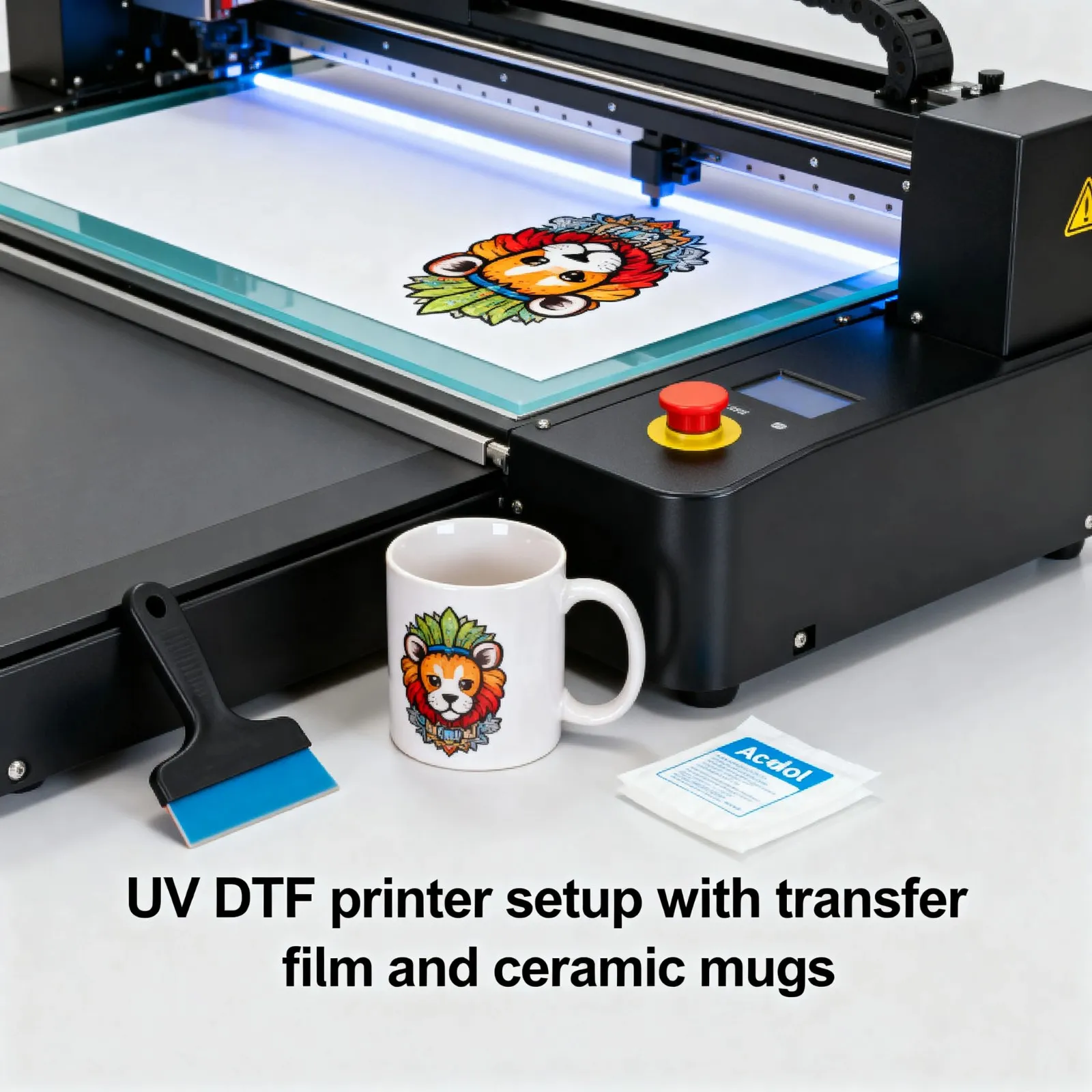 DTF Printer for Mugs and Ceramics
This practical workflow will walk you through the entire process from artwork creation to finished product.
Step 1: Gather Your Materials and Equipment
Before you begin, make sure you have:
UV DTF printer
UV-curable inks (CMYK + White)
Adhesive transfer film (A film and B film if applicable)
Ceramic mugs or blank ceramic items
Cleaning alcohol wipes
Design software (Photoshop, Illustrator, CorelDRAW, etc.)
Squeegee or soft applicator
Optional tools include gloves and microfiber cloths for dust-free handling.
Step 2: Create and Prepare Your Artwork
Good design preparation ensures professional-quality results.
Best Practices:
Use 300 DPI resolution or higher
Convert fonts to outlines
Use RGB or CMYK based on RIP software requirements
Avoid overly thin lines that may not transfer cleanly
Add bleed or safety margins for curved surfaces
For mugs, measure the printable area carefully and design within those dimensions to avoid wrapping errors or handle interference.
Step 3: Set Up the UV DTF Printer
Power on the printer and allow the system to initialize.
Check ink levels and confirm white ink circulation is active.
Load your UV DTF transfer film into the media feed system.
Perform a nozzle check to ensure all colors print correctly.
Adjust print height and vacuum settings according to film thickness.
Proper calibration prevents banding, ink pooling, and misalignment.
Step 4: Print the Design onto Transfer Film
Send your artwork to the printer using RIP software. Most UV DTF printers follow this sequence:
White ink base layer
CMYK color layers
Adhesive or varnish coating
UV curing during each stage
Monitor the print process and inspect the output for:
Smooth color transitions
Solid white backing
No missing dots or banding
Allow the film to sit for a minute or two after printing to ensure full curing and adhesion stability.
Step 5: Apply the Transfer to the Mug or Ceramic Surface
Clean the mug surface with alcohol to remove oils or dust.
Peel the backing layer from the printed transfer film.
Align the design carefully with the mug surface.
Press the transfer firmly using your fingers or a squeegee, working from the center outward to remove air bubbles.
Apply even pressure around curves and edges for proper adhesion.
Unlike sublimation, no heat press is required in most UV DTF workflows.
Step 6: Remove the Transfer Film
Once the adhesive bonds fully (usually within seconds):
Slowly peel away the top film layer at a low angle.
Inspect the design for lifting, bubbles, or incomplete adhesion.
If needed, press down edges gently and re-peel.
The final result should be a smooth, seamless graphic that feels integrated with the mug’s surface.
Step 7: Final Inspection and Curing Time
Although UV inks cure instantly, it’s recommended to allow 12–24 hours before washing or packaging for maximum durability.
Check for:
Clean edges
Proper alignment
No visible bubbles
Strong adhesion around curves
Your customized mug is now ready for sale, gifting, or branding use.
Best Practices for Professional Results
To consistently achieve high-quality output, follow these expert tips:
Use High-Quality Blank Products
Low-quality ceramics with uneven glazing can affect adhesion. Choose smooth, well-coated blanks for best results.
Maintain a Dust-Free Environment
Dust particles can cause surface imperfections or weak adhesion points. Clean your workspace regularly and store film rolls in sealed containers.
Apply Even Pressure
Uneven pressure during transfer can lead to air pockets or incomplete adhesion. Use soft squeegees or microfiber cloths for smooth application.
Test Before Production Runs
Always run test prints on sample mugs before fulfilling bulk orders. This helps verify color accuracy, adhesion strength, and design placement.
Maintenance Tips for UV DTF Printers
Proper maintenance extends your printer’s lifespan and ensures consistent print quality.
Daily Maintenance
Perform nozzle checks
Wipe printhead caps and wipers
Ensure white ink circulation is active
Weekly Maintenance
Clean encoder strips and rails
Check ink filters
Inspect UV lamps for dust buildup
Monthly Maintenance
Flush ink lines if recommended by manufacturer
Inspect tubing connections
Update firmware and RIP software
Keeping a maintenance log helps identify recurring issues early and prevents costly downtime.
Common Problems and Troubleshooting
Problem: White Ink Not Printing Properly
Solution:
Shake white ink cartridges
Check circulation system
Run nozzle cleaning cycles
Problem: Design Lifting During Film Removal
Solution:
Apply more pressure during transfer
Ensure surface is clean and dry
Allow longer bonding time
Problem: Colors Appear Dull
Solution:
Verify RIP color profiles
Increase white ink density
Check UV lamp curing strength
Problem: Ink Smudging or Bleeding
Solution:
Reduce ink saturation
Increase UV curing power
Check film compatibility
Business Opportunities with UV DTF Printing
UV DTF printing opens doors to numerous profitable niches beyond mugs.
Custom Drinkware
Coffee mugs
Travel tumblers
Wine glasses
Beer steins
Promotional bottles
Corporate Branding
Employee gifts
Event giveaways
Office décor
Logo merchandise
E-commerce and Dropshipping
UV DTF printing supports on-demand production, allowing you to sell custom designs without holding inventory.
Wedding and Event Personalization
Bridal party gifts
Anniversary mugs
Corporate milestones
Holiday-themed drinkware
Retail and Wholesale Production
With fast turnaround and low setup costs, UV DTF printers scale efficiently from single orders to bulk production runs.
Cost Breakdown: Is UV DTF Printing Worth It?
While UV DTF printers cost more than entry-level sublimation setups, they offer significantly higher flexibility and profitability.
Initial Investment
UV DTF printer: Mid-range to high-end depending on size and features
Consumables: Ink, film, cleaning supplies
Software licenses (if applicable)
Operating Costs
UV ink per print: Low
Film usage: Minimal waste
Electricity: Moderate
Maintenance: Predictable
Profit Margins
Custom mugs typically sell at retail prices ranging from moderate to premium depending on design complexity and market positioning. UV DTF printing enables:
Higher perceived product value
Faster production turnaround
Reduced material waste
Wider product offerings
This combination makes UV DTF one of the most profitable technologies for small-to-medium customization businesses.
UV DTF vs Vinyl Decals for Mugs
Vinyl decals have long been used for mug decoration, but they come with limitations.
| Feature | UV DTF | Vinyl Decals |
|---|---|---|
| Durability | High | Medium |
| Wash resistance | Excellent | Moderate |
| Color complexity | Unlimited | Limited |
| Setup time | Fast | Moderate |
| Texture | Smooth, seamless | Raised edges |
UV DTF prints outperform vinyl in durability, visual quality, and long-term professional appeal.
How to Care for UV DTF Printed Mugs and Ceramics
To maximize lifespan and customer satisfaction:
Hand washing is recommended
Avoid abrasive scrubbers
Do not microwave unless mug manufacturer allows it
Avoid prolonged soaking
With proper care, UV DTF prints can last years without noticeable fading or peeling.
Frequently Asked Questions (FAQ)
What materials can I print on using a UV DTF printer?
UV DTF printers work on ceramic, glass, metal, plastic, acrylic, wood, leather, and many other non-porous surfaces. This versatility makes them ideal for both personal and commercial applications.
What is the difference between UV DTF and traditional DTF printing?
Traditional DTF printing is primarily used for textiles and requires heat pressing onto fabric. UV DTF printing uses UV-cured ink and adhesive films for rigid and non-porous surfaces like mugs, bottles, and signage.
Is UV DTF printing dishwasher safe?
While UV DTF prints are water-resistant and durable, hand washing is recommended for maximum longevity. Dishwasher cycles and harsh detergents may reduce print lifespan over time.
Can UV DTF printers handle large production volumes?
Yes. UV DTF printers are designed for fast output and low setup time, making them ideal for both small batch customization and high-volume commercial production.
Do UV DTF printers require special ink?
Yes. UV DTF printers use UV-curable inks formulated specifically for instant curing and strong adhesion. Using non-approved inks can damage printheads and compromise print quality.
How long does UV DTF printing take per mug?
From printing to transfer, most mugs can be completed in under 3–5 minutes, making UV DTF one of the fastest customization methods available.
Can UV DTF prints be removed?
UV DTF prints are semi-permanent and designed for long-term durability. Removal is difficult and usually requires solvents or mechanical abrasion, which may damage the surface underneath.
Final Thoughts
UV DTF printing has rapidly become one of the most powerful tools in the custom drinkware and ceramic decoration industry. Its ability to deliver vibrant colors, exceptional durability, and seamless application on curved and rigid surfaces sets it apart from traditional printing technologies. Whether you’re launching a small personalization business or scaling an established production line, UV DTF printers provide unmatched flexibility, efficiency, and creative freedom.
By mastering the workflow outlined in this guide—from artwork preparation to final application—you can confidently produce professional-grade mugs and ceramic products that exceed customer expectations. With minimal setup, fast turnaround times, and broad material compatibility, UV DTF printing represents not just a printing method, but a business advantage in today’s competitive customization market.
If you’re looking to future-proof your production capabilities and unlock new revenue opportunities, investing in a high-quality UV DTF printer is a strategic move that delivers long-term returns.explore our high-quality UV-DTF printers here