

 HOME
HOME PRODUCT CENTER
 ABOUT US
 DOWNLOAD CENTER
 SUPPORT CENTER
 SUBSCRIBE
 BLOG
BLOG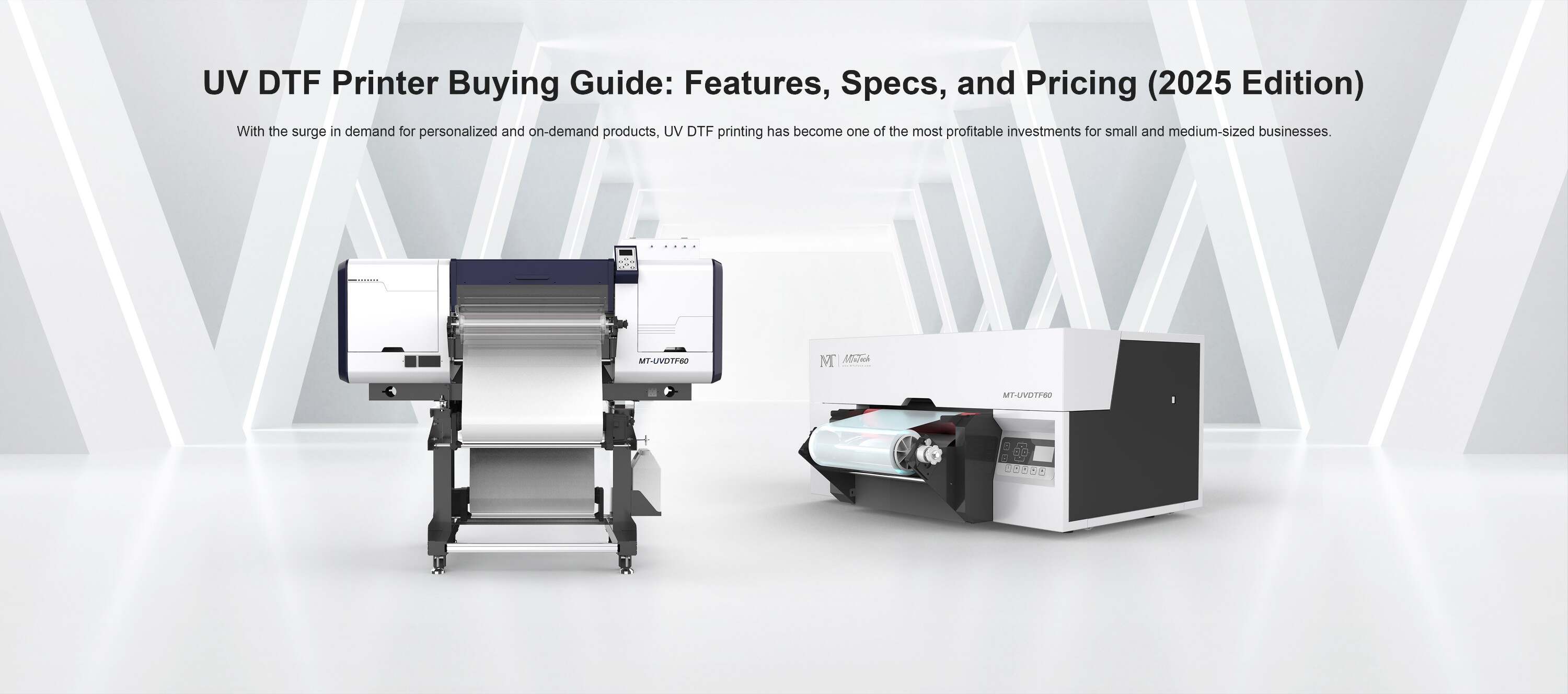
Introduction
In the world of printing technology, UV DTF (Direct to Film) printers have gained popularity for their ability to print high-quality, vibrant designs directly onto various substrates. However, understanding the implications of printer bed sizes and print area limitations is crucial for maximizing efficiency and ensuring product quality. In this blog post, we’ll explore how bed sizes affect printing capabilities, what to consider when choosing a UV DTF printer, and how to navigate print area limitations.
The Importance of Printer Bed Sizes
The bed size of a UV DTF printer refers to the surface area on which the actual printing takes place. This dimension significantly influences what can be printed and how efficiently you can operate your printing business. Here are several key factors to consider:
1. Compatibility with Substrates
One of the first considerations when selecting a UV DTF printer is the range and type of substrates you plan to print on. The bed size will dictate the maximum dimensions of products, such as:
Apparel (t-shirts, hoodies)
Promotional items (mugs, caps)
Industrial applications (signage, labels)
Choosing the right bed size allows you to cater to a wider audience and meet varying customer demands.
2. Printing Layouts and Designs
Different print bed sizes offer flexibility in design layouts. Larger print beds enable the placement of multiple designs, facilitating bulk production of smaller items. Conversely, smaller beds might limit you to single designs or necessitate multiple printing runs. Depending on your needs, you might find that:
A larger bed is ideal for high-volume retailers.
A smaller bed may be more practical for custom, one-off projects.
Understanding Print Area Limitations
While bed size is crucial, understanding the print area is equally important. The print area refers to the actual dimensions where the printer can apply ink onto the substrate. This is often smaller than the bed size due to several factors:
1. Printer Design and Mechanisms
Every printer model comes with its own design features, which can influence the effective print area. Factors such as:
Printer head design
Alignment and positioning mechanisms
Margins required for ink application
...can reduce the effective print area compared to the bed size. Review the manufacturer’s specifications to ensure the print area meets your project’s needs.
2. Substrate Considerations
Certain materials may not be compatible with the full print bed size due to their shape or preparation requirements. For example, irregularly shaped substrates may require special handling that could further limit the effective print area. As you assess your printing options, keep in mind that:
Flat surfaces usually maximize print area efficiency.
Circular or uneven shapes may have reduced effective print areas.
Benefits of Selecting the Right Printer Bed Size
Choosing the right printer bed size and understanding associated print area limitations can bring multiple benefits to your business:
1. Increased Efficiency
A larger bed size allows for printing multiple items simultaneously, which can drastically reduce production time and costs. This is particularly beneficial for businesses that handle bulk orders, as it can lead to quicker turnaround times.
2. Enhanced Quality Control
With a properly sized bed, the risk of errors decreases. A larger print area means that you can optimize your designs to fit perfectly on the substrate without needing multiple adjustments, leading to better overall quality in your finished products.
3. Greater Versatility
When you choose a UV DTF printer with an adequate bed size, you expand your business’s capabilities. You can take on a wider variety of projects, from custom apparel to larger promotional materials, which can help diversify your income streams.
Factors to Consider When Choosing a UV DTF Printer
Now that we understand the significance of bed sizes and print area limitations, what should you consider when choosing a UV DTF printer for your business? Here are a few essential factors:
1. Business Needs and Volume
Consider how much product you plan to produce and the types of designs you will use. Will you mostly be printing large batches or custom one-offs? The answer will significantly influence your choice of bed size and printer model.
2. Material Compatibility
Ensure that the UV DTF printer you choose can handle the various substrate types you intend to print on. This not only includes printability but also the quality of the output on different materials.
3. Budget
Quality UV DTF printers vary widely in terms of price, often reflecting size, capabilities, and features. Determine your budget and weigh it against what you need regarding bed size and print area effectiveness.
4. Future Growth
As your business evolves, so will your printing needs. Opting for a slightly larger bed or a more versatile printer may serve you better in the long run than one that only meets your requirements today.
Conclusion
Understanding UV DTF printer bed sizes and print area limitations is essential for any business looking to capitalize on this innovative technology. By carefully considering the size, functionality, and compatibility of your printer, you can streamline operations, improve product quality, and better meet customer demands. As you explore the options available, consider the myriad benefits that a well-chosen UV DTF printer can provide. Remember to review your business needs, compatible substrates, and future growth plans to make the most informed decision.
To enhance your printing capabilities, explore our high-quality UV-DTF printers here and discover the options that best suit your requirements.
FAQ
What is the typical bed size for a UV DTF printer?
The bed size for UV DTF printers typically ranges from A3 (11.7 x 16.5 inches) to larger formats like A0 (33.1 x 46.8 inches). The right size depends on the types of projects you intend to undertake.
How can I determine the effective print area of a UV DTF printer?
Check the manufacturer's specifications; they usually list the maximum dimensions of the effective print area, which accounts for margins and printer head design.
Can I print on irregularly shaped items with a UV DTF printer?
While UV DTF printers are designed for versatility, printing on irregularly shaped items may require special setup and can limit the effective print area due to the positioning of the substrate.
What are the advantages of larger bed sizes?
Larger bed sizes allow for higher productivity, as you can print multiple items at once. They also offer greater flexibility for various types of products and designs.
Are there limitations to using smaller print areas?
Yes, smaller print areas can restrict your design options and may require multiple print runs for larger projects, potentially slowing down production and increasing costs.