

 HOME
HOME PRODUCT CENTER
 ABOUT US
 DOWNLOAD CENTER
 SUPPORT CENTER
 SUBSCRIBE
 BLOG
BLOGUV DTF Printers for Custom Printing on Leather, Wood, and Glass
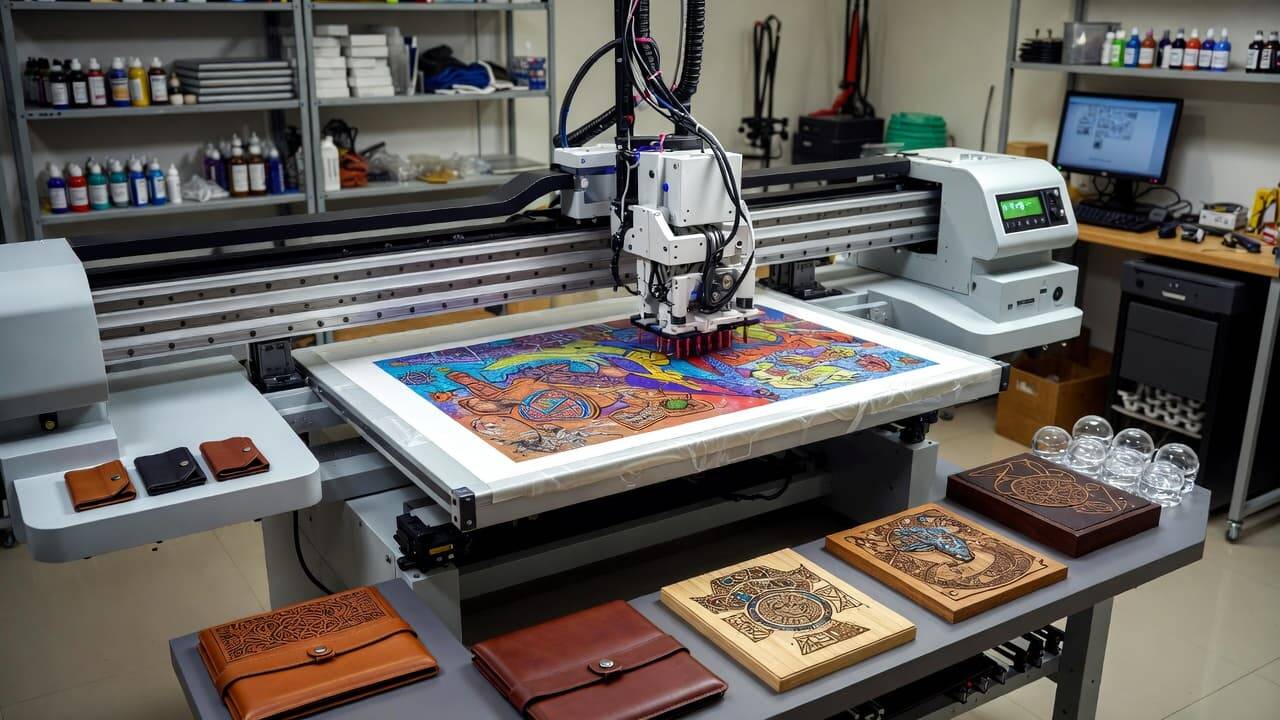
In today’s customization-driven market, customers want more than mass-produced products — they want unique, personalized items that reflect their identity, brand, or lifestyle. From custom leather wallets and engraved wooden plaques to branded glassware and décor, businesses are constantly looking for reliable printing solutions that work across difficult surfaces. This is where UV DTF printers have become a true game-changer.
Unlike traditional printing methods that struggle with curved, textured, or non-porous surfaces, UV DTF (Direct to Film) printing offers a flexible, durable, and professional-grade solution. It allows creators to print high-resolution designs onto a special film, which is then transferred and adhered to almost any surface — including leather, wood, glass, ceramics, acrylic, and metal — without heat pressing or surface coatings.
Whether you are a startup entrepreneur, a small print shop owner, a promotional product supplier, or a creative hobbyist, understanding how UV DTF printing works and how it benefits your business can unlock entirely new revenue streams. This technology enables fast production, consistent quality, and long-lasting results — all while maintaining eco-friendly standards and operational efficiency.
In this in-depth guide, you’ll learn:
What UV DTF printing is and how it works
The key benefits of using UV DTF printers
Features to look for when buying a machine
Practical applications on leather, wood, and glass
How to get started and succeed with UV DTF printing
Best practices for maintenance and long-term results
By the end, you’ll have a clear understanding of why UV DTF printing is rapidly becoming the preferred solution for premium surface decoration and custom product manufacturing.
What Is UV DTF Printing?
UV DTF printing is a modern digital printing method that combines UV curing technology with film-based transfers to apply designs onto hard or irregular surfaces with precision and durability.
Instead of printing directly onto the final product, the printer prints onto a special adhesive transfer film using UV inks. These inks are instantly cured using ultraviolet light, forming a solid and durable ink layer. The printed design is then laminated and transferred to the target surface by pressure alone — no heat press, baking, or coating is required.
How UV DTF Printing Works
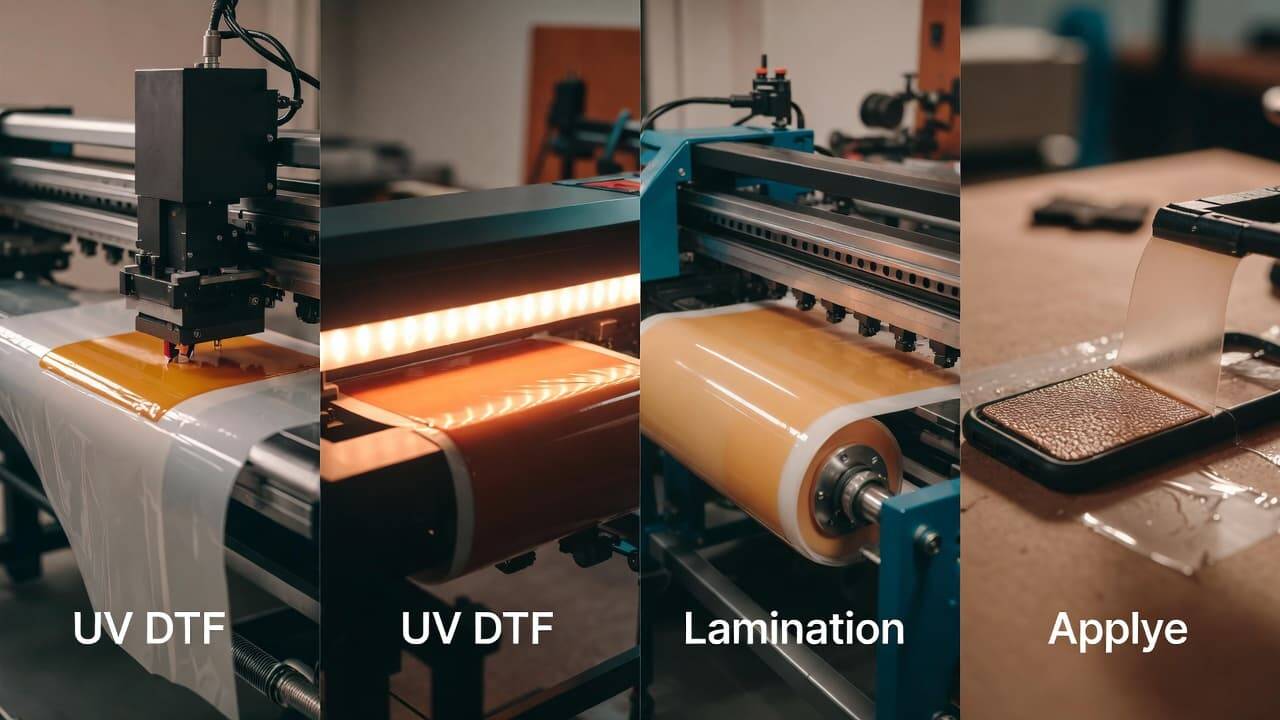
The basic workflow includes:
Design Creation
Artwork is prepared in graphic design software such as Adobe Illustrator, Photoshop, or CorelDRAW.Printing on Transfer Film
The design is printed in reverse onto a UV DTF film using white ink and CMYK color layers for opacity and vibrancy.UV Curing
UV lamps cure the ink instantly, ensuring durability and color stability.Lamination
A transparent adhesive film is laminated over the printed layer.Transfer Application
The backing film is removed, and the adhesive design is applied to the product surface using pressure.Final Peel
The top film is peeled off, leaving the design permanently bonded to the surface.
This method eliminates many of the limitations of traditional printing techniques and makes high-quality customization accessible across a wide range of materials.
Why UV DTF Printing Is Transforming the Custom Printing Industry
The demand for premium customization is growing rapidly across industries such as promotional products, gift manufacturing, retail branding, home décor, and personalized accessories. UV DTF printing stands out because it bridges the gap between design flexibility and material compatibility.
Here’s why businesses are switching to UV DTF:
It works on surfaces where sublimation, screen printing, and DTG fail
It delivers professional-grade durability without coatings or heat
It enables low-volume and on-demand production
It simplifies workflows and reduces setup costs
Unlike traditional UV flatbed printing, which requires direct contact with the product surface and precise positioning, UV DTF transfers allow you to print once and apply later — even on curved, textured, or uneven objects.
Key Benefits of UV DTF Printers
UV DTF printers offer a powerful combination of performance, flexibility, and business efficiency. Below are the core advantages that make this technology a preferred choice for modern printing operations.
1. Exceptional Material Versatility
One of the biggest strengths of UV DTF printing is its ability to work on both porous and non-porous materials. This includes:
Leather and faux leather
Wood and MDF
Glass and acrylic
Ceramics and tiles
Metals and coated surfaces
Plastics and composites
This versatility allows print shops to expand into new markets without purchasing separate machines for each substrate type.
2. High-Definition Print Quality
UV DTF printers use UV-curable inks that produce:
Sharp edges and crisp text
Rich, vibrant colors
Smooth gradients and fine details
High opacity on dark surfaces
The inclusion of white ink layers ensures that designs maintain brightness and clarity even on transparent or dark backgrounds. This makes UV DTF ideal for premium branding and decorative applications.
3. Superior Durability and Adhesion
Once cured and transferred, UV DTF prints form a strong bond with the surface. They are resistant to:
Scratching and abrasion
Water and moisture
UV exposure and fading
Cleaning chemicals and daily handling
This durability makes UV DTF suitable for both indoor and outdoor products, as well as frequently used consumer items.
4. Fast Production and Short Turnaround Times
Because UV inks cure instantly, there is no waiting time for drying or baking. Once printed and laminated, transfers are ready for application immediately. This speeds up workflows and allows businesses to fulfill urgent orders with ease.
Additionally, since designs are printed on film, batches can be prepared in advance and applied later as needed — ideal for scalable production environments.
5. Eco-Friendly Printing Process
UV DTF printing is environmentally responsible compared to many traditional methods:
UV inks emit no volatile organic compounds (VOCs)
No water is required in the printing process
No heat pressing reduces energy consumption
Minimal waste due to precise digital output
This makes UV DTF printing a strong option for businesses focused on sustainability and regulatory compliance.
6. Low Setup Costs and Reduced Waste
Unlike screen printing or pad printing, UV DTF printing requires no screens, plates, or molds. Digital artwork can be changed instantly, allowing:
Cost-effective short runs
Personalized one-off products
Reduced material waste
Faster product testing and prototyping
For startups and small businesses, this means lower investment risk and faster time to market.
Core Features of Modern UV DTF Printers
When investing in a UV DTF printer, understanding its technical features helps ensure optimal performance and long-term profitability. Below are the most important capabilities to look for.
1. White Ink Circulation and Layer Control
White ink plays a critical role in UV DTF printing by providing opacity and color accuracy on dark or transparent surfaces. Advanced printers include:
Automatic white ink circulation systems
Independent control over white and color layers
Anti-settling technology for consistent output
These features reduce clogging and ensure stable long-term operation.
2. Integrated Laminating Systems
Many UV DTF machines include built-in laminators that apply the adhesive film immediately after printing. This eliminates the need for manual lamination and ensures precise alignment, faster workflows, and better adhesion.
3. High-Resolution Printheads
Professional UV DTF printers use industrial-grade printheads capable of delivering:
Fine dot placement
Smooth gradients
High-speed production
Consistent color accuracy
Higher DPI output is particularly important for branding, photography, and decorative graphics.
4. Advanced RIP Software Compatibility
UV DTF printers typically integrate with RIP software such as:
Maintop
Kothari
Caldera
Onyx
These platforms provide color profiling, white ink management, layer control, and batch processing — ensuring predictable and repeatable print quality.
5. Customizable Print Settings
Users can adjust:
Ink density
Resolution
Speed
White ink layering
Curing intensity
This allows optimization for different materials, applications, and production volumes.
6. User-Friendly Touchscreen Interface
Modern machines feature intuitive touchscreens and control panels that make operation accessible to both beginners and experienced operators. Real-time diagnostics, job previews, and maintenance alerts improve usability and reduce downtime.
7. Compact and Scalable Design
UV DTF printers are available in desktop, mid-format, and industrial sizes, allowing businesses to scale according to production needs without sacrificing performance or quality.
Applications of UV DTF Printing on Leather
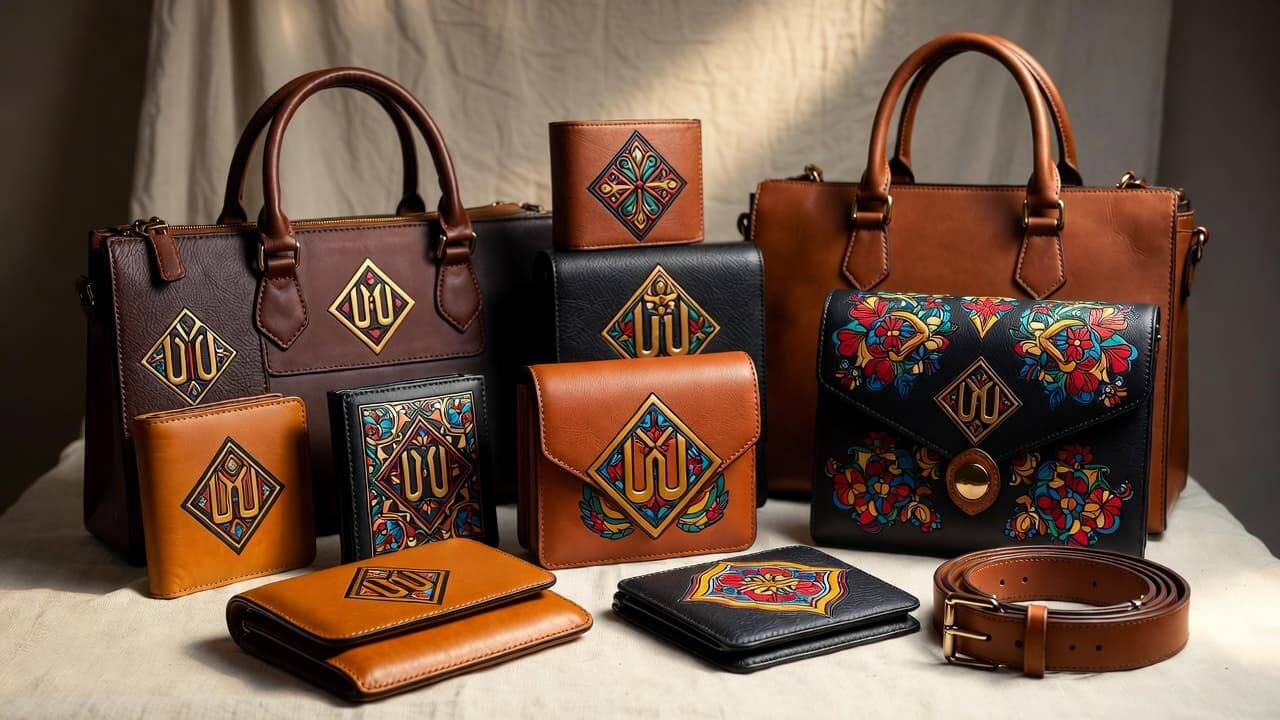
Leather remains one of the most valuable and widely used materials across fashion, accessories, upholstery, and corporate gifting. However, traditional printing methods struggle with leather’s texture, flexibility, and absorption properties. UV DTF printing solves these challenges effectively.
Popular Leather Products for UV DTF Printing
Wallets, belts, and handbags
Phone cases and tech accessories
Journals and planners
Footwear and patches
Promotional merchandise
Upholstery accents
Why UV DTF Works Exceptionally Well on Leather
No Heat Required
Leather can warp, shrink, or discolor under high temperatures. UV DTF transfers use pressure-only application, preserving the integrity of the material.Strong Adhesion on Textured Surfaces
The adhesive film conforms to leather grain and texture, ensuring long-lasting bonding.High Color Contrast and Detail
White ink layers allow bright designs even on dark leather backgrounds.Durability Against Daily Wear
UV-cured inks resist cracking, peeling, and fading — essential for frequently handled leather products.
Business Opportunities in Leather Customization
UV DTF opens doors to profitable niches such as:
Personalized gifts and monogrammed accessories
Corporate branding and promotional merchandise
Boutique fashion labels and limited collections
Custom upholstery and interior décor
With short setup times and on-demand production, businesses can profitably serve both individual customers and bulk buyers.
Applications of UV DTF Printing on Wood
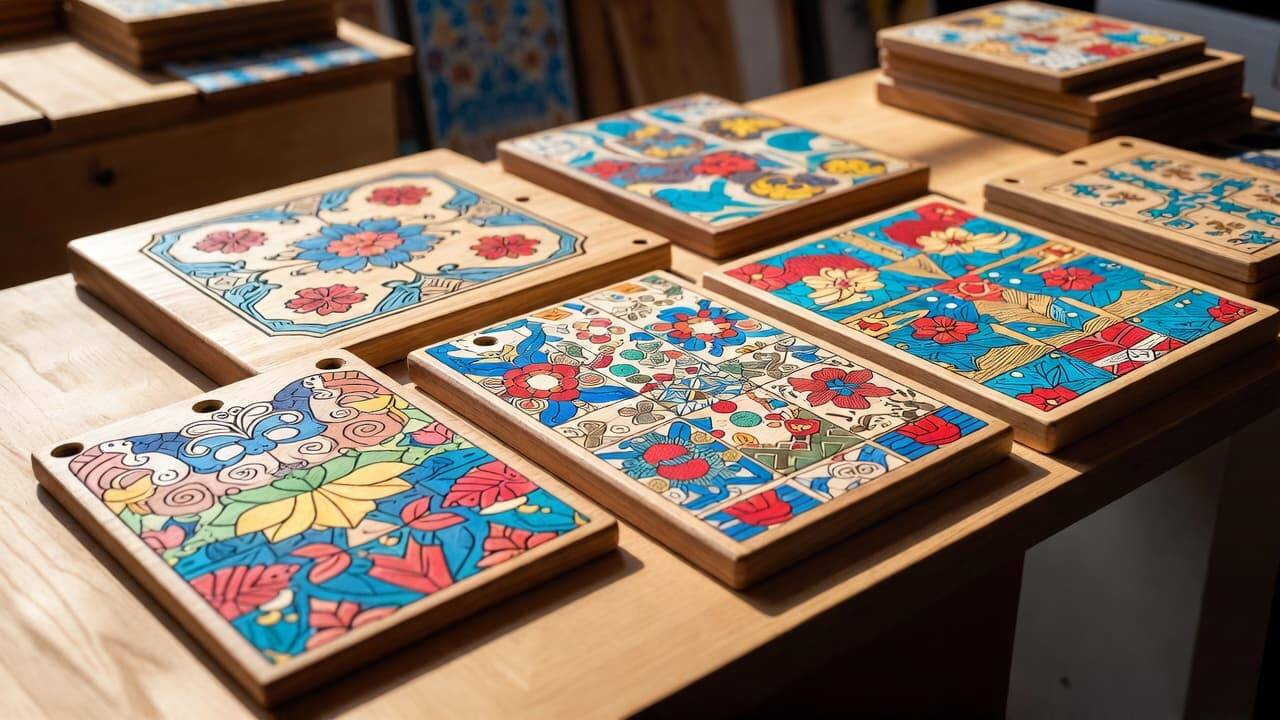
Wood offers a natural, premium aesthetic but presents challenges for traditional printing due to its porous surface, grain patterns, and uneven textures. UV DTF printing delivers consistent, high-quality results without requiring primers, coatings, or sanding.
Popular Wooden Products for UV DTF Printing
Furniture panels and cabinets
Decorative signs and wall art
Awards, trophies, and plaques
Picture frames and keepsakes
Wooden toys and craft items
Home décor accents
Why UV DTF Excels on Wood
No Surface Coating Required
UV DTF transfers bond directly to untreated wood, reducing preparation time and material costs.Consistent Results Across Grain Patterns
Unlike direct printing, which can bleed or absorb into wood fibers, UV DTF maintains sharp edges and uniform color.Durable Indoor and Outdoor Performance
UV-cured inks resist moisture, abrasion, and sunlight, making them suitable for both interior décor and exterior signage.Preserves Natural Wood Texture
The thin ink layer enhances designs without masking the wood’s organic appearance.
Business Opportunities in Wood Printing
Custom signage and branding
Personalized gifts and home décor
Event décor and wedding items
Hospitality and retail interior elements
Corporate awards and recognition products
UV DTF allows fast production of premium wooden products without expensive engraving equipment or surface treatments.
Applications of UV DTF Printing on Glass
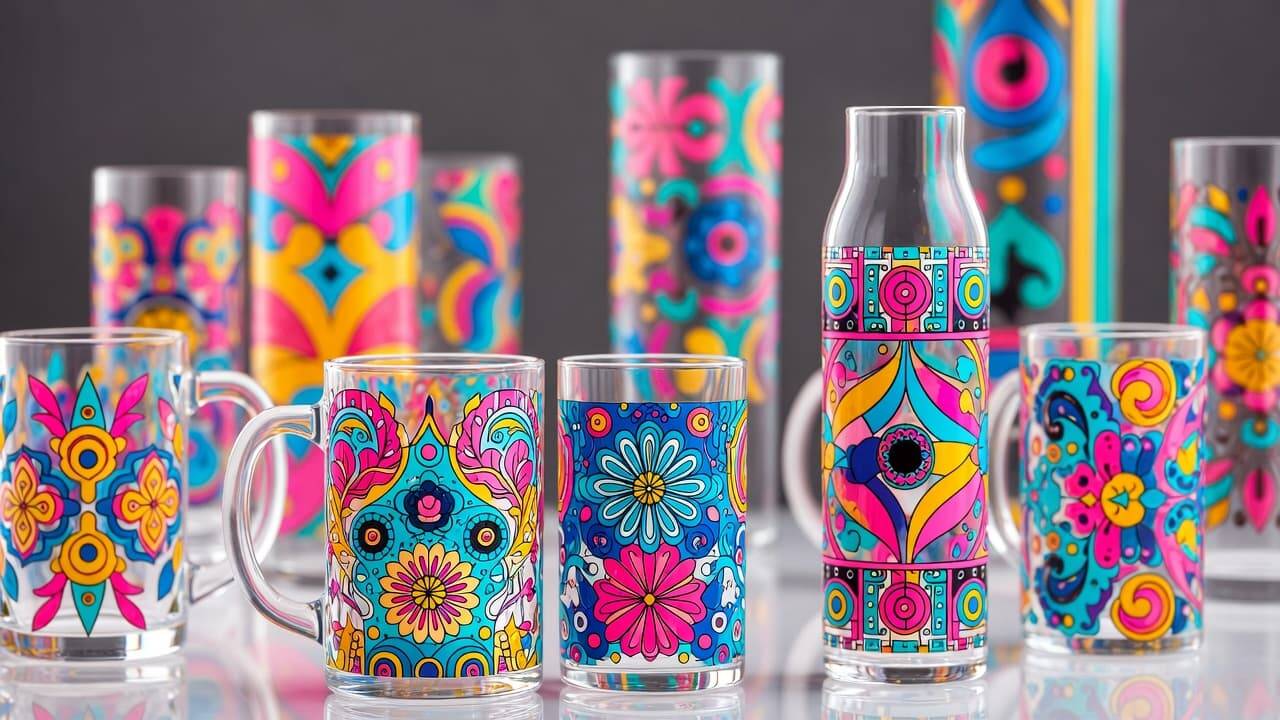
Glass is widely used in drinkware, décor, signage, and architecture — but printing on glass traditionally requires screen printing, etching, or baking processes. UV DTF offers a simpler, faster, and more flexible alternative.
Popular Glass Products for UV DTF Printing
Wine glasses, mugs, and tumblers
Bottles and jars
Mirrors and decorative panels
Retail signage and displays
Architectural glass accents
Why UV DTF Is Ideal for Glass
Excellent Adhesion to Smooth Surfaces
UV DTF adhesive films bond effectively to non-porous glass without primers or etching.High Transparency and Clarity
Designs appear sharp and vibrant, even on clear glass substrates.Resistance to Water and Cleaning Chemicals
UV-cured inks withstand washing, wiping, and regular handling.No Heat Baking Required
Eliminates the risk of cracking or distortion associated with kiln-fired processes.
Business Opportunities in Glass Customization
Personalized drinkware and gifts
Hospitality branding and tableware
Retail and commercial signage
Home décor and interior design
Event merchandise and corporate giveaways
UV DTF printing enables fast, flexible production of premium glass items without high setup costs or specialized furnaces.
UV DTF vs Other Printing Technologies
Understanding how UV DTF compares with alternative printing methods helps businesses make informed investment decisions.
UV DTF vs Sublimation Printing
| Feature | UV DTF | Sublimation |
|---|---|---|
| Material compatibility | Works on almost any surface | Limited to polyester or coated items |
| Heat required | No | Yes |
| Surface texture support | Excellent | Limited |
| Durability | Very high | High but substrate-dependent |
| Setup complexity | Low | Moderate |
UV DTF vs Screen Printing
| Feature | UV DTF | Screen Printing |
|---|---|---|
| Setup cost | Low | High |
| Short-run efficiency | Excellent | Poor |
| Customization capability | Unlimited | Limited |
| Color detail | Very high | Moderate |
| Turnaround time | Fast | Slow |
UV DTF vs Direct UV Flatbed Printing
| Feature | UV DTF | UV Flatbed |
|---|---|---|
| Printing surface requirements | Any shape or curvature | Must be flat and stable |
| Portability of designs | High | Low |
| Risk of surface damage | Minimal | Moderate |
| Cost per print | Lower for small runs | Higher for short runs |
| Setup complexity | Simple | Moderate |
UV DTF offers the widest application range with the lowest operational complexity, making it ideal for small businesses, startups, and expanding print shops.
How to Get Started with UV DTF Printing
Entering the UV DTF market is easier than many expect. With the right planning and setup, businesses can start producing high-quality custom products quickly and profitably.
Step 1: Choose the Right UV DTF Printer
When selecting a printer, consider:
Print width and production volume
Printhead quality and resolution
White ink circulation system
Laminating integration
RIP software compatibility
After-sales support and warranty
For beginners, compact desktop models work well. For commercial production, mid-format or industrial machines offer faster output and higher reliability.
Step 2: Gather Essential Supplies
You’ll need:
UV-curable inks (CMYK + white)
UV DTF transfer film (A film and B film)
Laminating film
Cleaning solutions and wipes
Surface preparation materials
Always use manufacturer-recommended consumables to ensure optimal performance and adhesion.
Step 3: Learn Design and RIP Software
Popular tools include:
Adobe Illustrator
CorelDRAW
Photoshop
Onyx RIP
Caldera RIP
Understanding layers, transparency, white ink masks, and resolution settings will help you produce professional-quality prints consistently.
Step 4: Practice with Different Materials
Start by testing on:
Smooth glass surfaces
Finished wood panels
Faux leather samples
Experiment with pressure levels, curing intensity, and ink density to find the optimal settings for each substrate.
Step 5: Develop Standard Operating Procedures
Create documented workflows for:
File preparation
Printing settings
Lamination
Transfer application
Quality control
Packaging
Standardization improves consistency, reduces waste, and simplifies staff training.
Best Practices for High-Quality UV DTF Results
To achieve professional-grade results consistently, follow these expert guidelines:
1. Prepare Surfaces Properly
Even though UV DTF works on most materials, cleaning surfaces with isopropyl alcohol removes dust, oils, and contaminants that could weaken adhesion.
2. Optimize White Ink Layers
White ink should be dense enough to ensure opacity but not excessive, as thick layers can reduce flexibility and increase peeling risk.
3. Maintain Proper Pressure During Transfer
Use consistent pressure across the design when applying transfers to avoid bubbles, wrinkles, or incomplete adhesion.
4. Allow Adhesive to Set
Although UV DTF prints are usable immediately, letting them sit for several hours improves long-term adhesion and durability.
5. Store Films and Inks Correctly
Keep consumables in a cool, dry environment away from direct sunlight to preserve ink performance and film integrity.
Maintenance and Care of UV DTF Printers
Proper maintenance extends printer lifespan, ensures consistent output, and minimizes downtime.
Daily Maintenance
Run nozzle checks
Clean printheads if needed
Wipe down ink stations
Ensure white ink circulation is active
Weekly Maintenance
Perform deeper printhead cleaning
Check rollers and feed paths
Inspect curing lamps
Clean lamination rollers
Monthly Maintenance
Replace worn consumables
Update RIP software profiles
Check ink tubing and filters
Perform full calibration
Storage and Downtime Management
If the printer will remain idle for extended periods:
Flush ink lines if recommended
Seal printheads properly
Maintain controlled temperature and humidity
Following manufacturer guidelines is essential for maintaining warranty coverage and optimal machine performance.
Common Challenges and How to Solve Them
Issue: Ink Peeling or Weak Adhesion
Solution:
Clean the substrate thoroughly, increase pressure during transfer, and ensure lamination film is compatible with the ink system.
Issue: White Ink Clogging
Solution:
Use printers with automatic white ink circulation, shake ink bottles before use, and perform daily nozzle checks.
Issue: Color Inaccuracy
Solution:
Calibrate RIP profiles, use ICC color management, and verify white ink layering.
Issue: Film Wrinkling or Bubbles
Solution:
Store films flat, maintain proper room temperature, and apply even pressure during lamination and transfer.
Profitability and Business Growth with UV DTF Printing
UV DTF printing offers exceptional ROI due to low setup costs, minimal waste, and wide market applicability.
High-Margin Product Categories
Personalized gifts and merchandise
Branded corporate items
Home décor and interior accents
Drinkware and event products
Fashion accessories
Low Inventory Risk
Because UV DTF supports on-demand printing, businesses can avoid stocking large inventories and instead produce items only when orders are confirmed.
Fast Market Entry
With minimal learning curve and rapid production cycles, businesses can launch UV DTF product lines quickly — even without prior printing experience.
Scalable Operations
As demand grows, businesses can add more printers, expand consumables, or integrate automated finishing systems without redesigning workflows.
The Future of UV DTF Printing Technology
UV DTF printing continues to evolve rapidly, driven by advancements in:
Printhead resolution and speed
White ink chemistry and circulation systems
Eco-friendly ink formulations
Compact and hybrid machine designs
Smart RIP software automation
As customization becomes the standard rather than the exception, UV DTF technology is positioned to play a dominant role in next-generation digital manufacturing, small-batch production, and personalized consumer products.
Businesses that adopt UV DTF early gain competitive advantages in flexibility, turnaround time, and product diversity — all while maintaining professional-grade quality standards.
Conclusion
UV DTF printers are redefining what’s possible in surface customization. By combining UV curing technology with transfer-based printing, they deliver unmatched versatility, durability, and production efficiency across materials like leather, wood, and glass.
From luxury accessories and decorative home items to commercial signage and personalized drinkware, UV DTF enables businesses and creators to expand their offerings without complex setups, heat presses, or expensive surface treatments. Its eco-friendly operation, fast turnaround times, and exceptional print quality make it one of the most powerful tools in modern digital printing.explore our high-quality UV-DTF printers here
Whether you’re launching a new print business, expanding an existing product line, or simply exploring creative possibilities, mastering UV DTF printing gives you the ability to transform everyday objects into premium, custom-designed products with long-lasting impact.
Frequently Asked Questions (FAQ)
What is UV DTF printing?
UV DTF (Direct to Film) printing is a digital printing process that uses UV-curable inks to print designs onto adhesive film, which is then transferred onto surfaces such as leather, wood, glass, metal, plastic, and ceramics. The ink is instantly cured using ultraviolet light, resulting in durable, high-quality prints without heat pressing.
Can UV DTF printers print on all types of leather?
Yes. UV DTF printers can be used on genuine leather, faux leather, PU leather, suede, and coated leather surfaces, provided the surface is clean and properly prepared. The pressure-based transfer process avoids heat damage and preserves material integrity.
How durable are UV DTF prints?
UV DTF prints are highly durable and resistant to scratching, water, UV exposure, and daily handling. They are suitable for indoor and outdoor use and perform well on products that experience frequent use, such as drinkware, accessories, and signage.
Do UV DTF printers require heat pressing?
No. UV DTF printing uses pressure-only transfers, eliminating the need for heat presses, ovens, or curing tunnels. This reduces equipment costs, energy consumption, and the risk of substrate damage.
What materials can I print with UV DTF technology?
UV DTF works on a wide range of materials, including leather, wood, glass, acrylic, ceramic, metal, plastic, stone, MDF, and coated surfaces. Its versatility makes it suitable for nearly any hard or irregular substrate.
Is UV DTF printing eco-friendly?
Yes. UV-curable inks emit no volatile organic compounds (VOCs), require no water, and cure instantly with minimal energy use. This makes UV DTF printing safer for operators and more environmentally responsible than many traditional printing methods.
How do I maintain a UV DTF printer?
Regular maintenance includes nozzle checks, printhead cleaning, white ink circulation monitoring, lamination roller cleaning, and software calibration. Following manufacturer guidelines ensures consistent output and long machine lifespan.
Can UV DTF printing be used for outdoor products?
Yes. UV DTF prints are water-resistant, fade-resistant, and weather-stable, making them ideal for outdoor signage, drinkware, decorative panels, and commercial branding applications.
Is UV DTF suitable for small businesses?
Absolutely. UV DTF printers offer low setup costs, minimal waste, fast production cycles, and high material versatility, making them ideal for startups, print shops, and entrepreneurs entering the customization market.
What is the difference between UV DTF and UV flatbed printing?
UV DTF prints designs onto transfer film before application, allowing use on curved, uneven, or hard-to-position surfaces. UV flatbed printing prints directly onto flat surfaces and requires precise positioning. UV DTF offers greater flexibility, lower risk, and better suitability for irregular objects.