

 HOME
HOME PRODUCT CENTER
 ABOUT US
 DOWNLOAD CENTER
 SUPPORT CENTER
 SUBSCRIBE
 BLOG
BLOG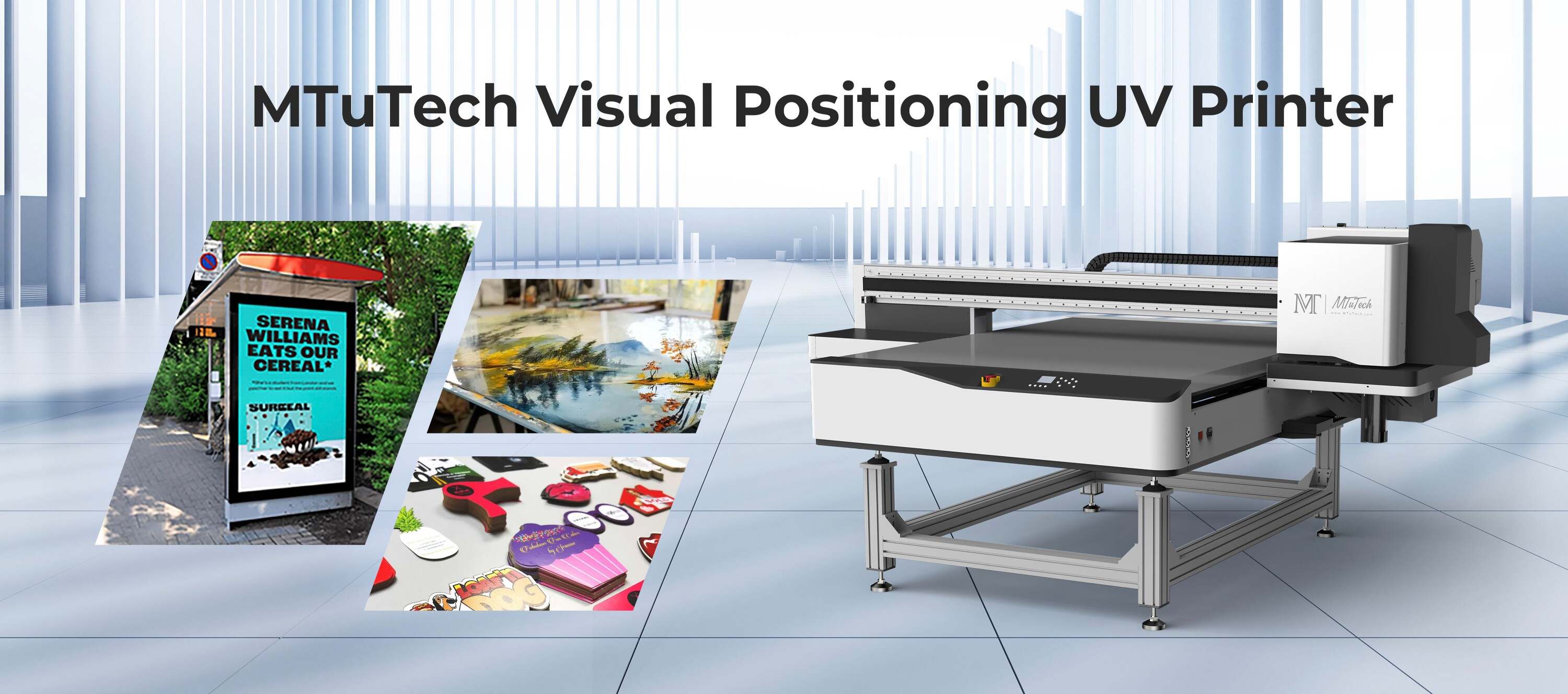
How Visual Positioning UV Printers Handle Reflective Surface Detection
Introduction
The world of printing has undergone significant transformations in recent years, especially with advancements in technology that cater to unique printing needs. One such innovation is the Visual Positioning UV printer, renowned for its ability to print on a variety of surfaces, including reflective materials. In this blog post, we will delve into how these advanced printers effectively handle reflective surface detection, ensuring consistent and high-quality results across all types of surfaces.
Understanding Visual Positioning UV Printers
Visual Positioning UV printers are equipped with sophisticated imaging technology and UV curing processes that allow them to achieve high accuracy and vibrant colors. Unlike traditional printing methods, these printers employ specialized sensors and software capable of navigating the challenges presented by different surfaces, including those with high reflectivity.
What is Reflective Surface Detection?
Reflective surface detection is the ability of a printer to identify and adapt to surfaces that reflect light rather than absorb it. This characteristic poses significant challenges, as the ink may not adhere properly, leading to smudges, runs, or poor image quality. Visual positioning technology empowers UV printers to accurately detect reflective surfaces and adjust the printing parameters accordingly.
How Visual Positioning UV Printers Detect Reflective Surfaces
1. Advanced Sensor Technology
Modern UV printers utilize a combination of optical and infrared sensors to achieve precise surface detection. These sensors assess the characteristics of the material, evaluating factors such as glossiness and texture. The information gathered allows the printer to determine if it is dealing with a reflective surface, thereby enabling necessary adjustments to the printing settings.
2. Image Processing Algorithms
Image processing algorithms play a crucial role in the detection process. The printer’s software analyzes input data from the sensors and uses algorithms to differentiate between various surface types. This capability allows for real-time decisions about ink application and curing strength, optimizing the printing process based on the surface's reflective properties.
3. Adaptive Print Head Technology
Visual Positioning UV printers often feature adaptable print head technology that modifies the distance and angle of the print heads relative to the surface. For reflective surfaces, the print head can adjust to create optimal conditions for ink adhesion, reducing the risk of glare and ensuring even coverage.
Benefits of Reflective Surface Detection
1. Enhanced Print Quality
The primary benefit of effective reflective surface detection is the enhancement of print quality. By accurately assessing the surface characteristics, the printer can adapt to ensure that colors are vibrant and images are crisp, regardless of how reflective the material is.
2. Reduced Waste
Improper adhesion of ink to reflective surfaces often results in wasted materials. Visual Positioning UV printers minimize waste by fine-tuning printing parameters, thereby reducing the likelihood of errors and the need for reprints.
3. Versatility
Reflective surface detection expands the versatility of UV printers, making them suitable for a wider range of applications. From glass and metal to highly polished plastics, these printers can handle diverse materials, meeting the needs of various industries, including signage, packaging, and product personalization.
Key Features of Visual Positioning UV Printers
1. High Precision Printing
Precision is paramount when it comes to printing on reflective surfaces. Visual Positioning UV printers leverage advanced positioning technology that guides the print heads with pinpoint accuracy, ensuring that every detail is captured flawlessly.
2. Direct-to-Substrate Printing
This feature distinguishes UV printers from conventional methods, allowing them to print directly on a variety of materials without the need for intermediate media. By utilizing reflective surface detection, direct-to-substrate printing provides greater efficiency and eliminates cumbersome setup processes.
3. UV Curing Technology
UV curing technology is a game-changer for maintaining print quality. The quick drying times offered by ultraviolet light ensure that prints are cured almost instantaneously, reducing the chance of smudging while working with reflective surfaces.
4. Software Integration
The integration of sophisticated software in Visual Positioning UV printers allows for seamless operations. Users can tailor their printing settings depending on the material, enhancing both user experience and output quality.
Challenges in Reflective Surface Printing
1. Glare and Reflection Issues
Even with advanced technology, glare can still be a challenge during printing on reflective materials. This can affect the accuracy of color matching and the overall print appearance. Manufacturers have created features that specifically counteract these issues, ensuring superior results.
2. Ink Adhesion Problems
Ensuring proper adhesion of inks on reflective surfaces can be tricky. Special formulations of inks that adhere better to these surfaces are often used, but the complexity of the materials can lead to inconsistencies if not properly managed.
3. Higher Production Costs
While Visual Positioning UV printers provide numerous advantages, the initial investment can be higher compared to traditional printers. However, the long-term benefits of quality, versatility, and reduced waste typically make it a sound investment for businesses looking to enhance their printing capabilities.
Conclusion
Visual Positioning UV printers symbolize a significant leap forward in the world of digital printing, especially when it comes to handling reflective surfaces. Their advanced detection technologies, combined with versatile features, offer businesses the capability to produce high-quality prints on various materials.
By overcoming the challenges associated with reflective surfaces, these printers are not only elevating the standards of print quality but also expanding the possibilities of creative applications. For those seeking to enhance their printing operations, visual positioning UV printers present an opportunity to achieve unparalleled results.
For more information on visual positioning UV printers and to explore your options, explore our high-quality Visual Positioning UV printers here.
FAQ
1. What types of reflective surfaces can Visual Positioning UV printers handle?
Visual Positioning UV printers can handle a variety of reflective surfaces, including glass, metals, and polished plastics, making them versatile for different applications.
2. How does the printing process differ on reflective surfaces compared to non-reflective surfaces?
The process for reflective surfaces typically requires adjustments in printing parameters such as ink viscosity, print head distance, and curing time to ensure optimal adhesion and quality.
3. Can reflective surface printing create vibrant colors?
Yes, when properly calibrated, Visual Positioning UV printers can produce vibrant colors even on reflective surfaces, thanks to their advanced technology and ink formulations.
4. Are these printers suitable for mass production?
Yes, Visual Positioning UV printers are well-suited for mass production due to their quick drying times and efficiency, reducing downtime between prints.
5. What is the lifespan of prints on reflective surfaces using UV technology?
UV prints are known for their durability and resistance to fading, making them suitable for both indoor and outdoor applications with proper care.