

 HOME
HOME PRODUCT CENTER
 ABOUT US
 DOWNLOAD CENTER
 SUPPORT CENTER
 SUBSCRIBE
 BLOG
BLOG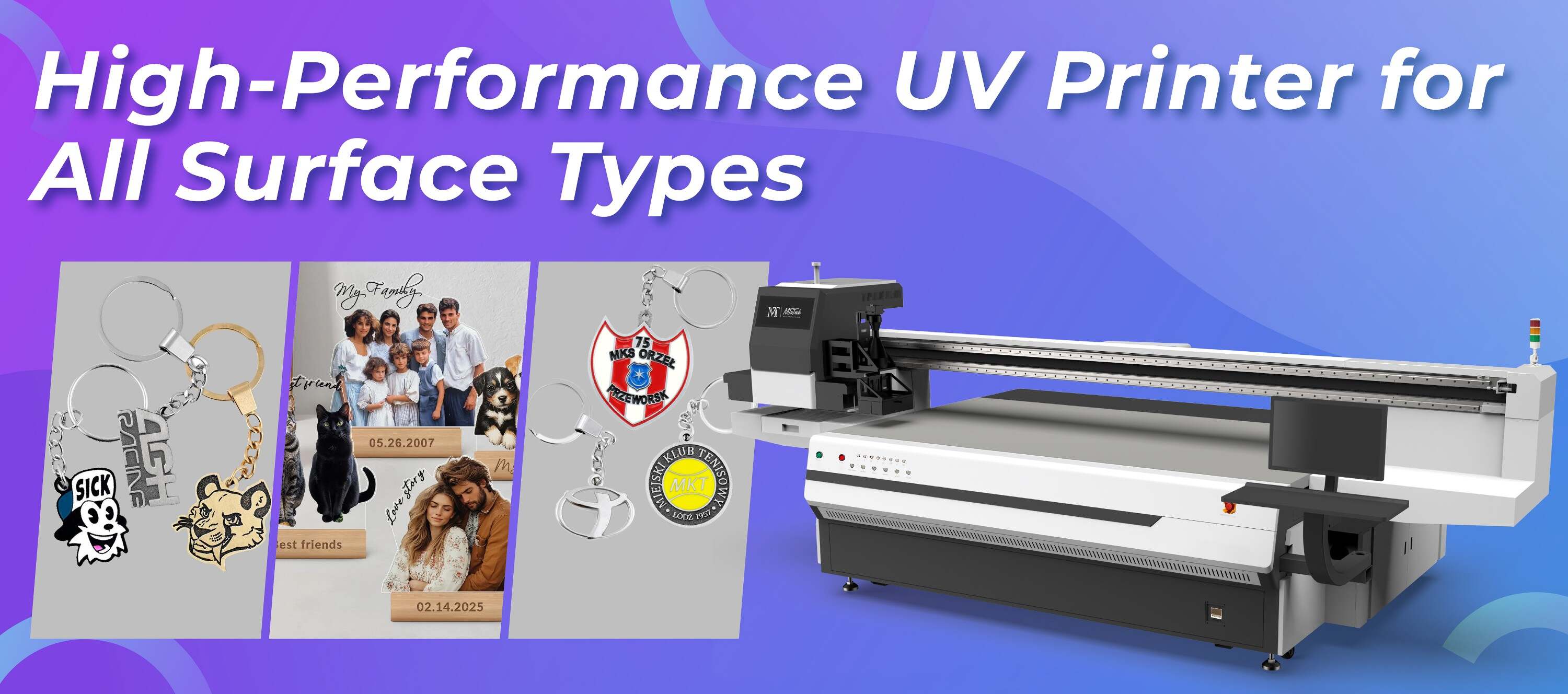
Visual Positioning UV Printer: Infrared vs. Visible Light Camera Systems
Introduction
In the world of printing technology, precision and accuracy are paramount. Among the various advancements in this field, Visual Positioning UV Printers have garnered attention for their ability to deliver high-quality prints efficiently. One of the key differentiators in this technology is the type of camera system employed—Infrared vs. Visible Light. In this article, we will delve into the functionalities, advantages, and implementation of both systems to help you understand which is best suited for your printing needs.
What are Visual Positioning UV Printers?
Visual Positioning UV Printers integrate high-resolution printing technologies with versatile camera systems to achieve accurate placement of graphics on a variety of substrates. These printers are particularly popular in industries that require detailed graphics on uneven surfaces, such as signage, packaging, and promotional materials.
Understanding Camera Systems
The camera systems in Visual Positioning UV Printers play a critical role in ensuring the precise alignment and quality of prints. The two most common types of camera systems used are Infrared and Visible Light. Let’s break down each type:
Infrared Camera Systems
Infrared camera systems utilize infrared light to capture images and detect surface features. This technology is increasingly being used for its unique advantages, especially in challenging environments.
How Infrared Systems Work
Infrared cameras detect radiation in the infrared spectrum. When a surface is illuminated with infrared light, the camera captures reflections from the surface, allowing for precise evaluation of its features.
Advantages of Infrared Camera Systems
·
Enhanced Depth Perception: Infrared cameras excel in detecting variations in surface height, allowing for better positioning on uneven or textured materials.
·
·
Temperature Sensitivity: These systems can detect temperature variations that might indicate surface conditions or material types, enhancing adaptability during the printing process.
·
·
Less Affected by Ambient Lighting: Infrared systems are less influenced by surrounding light sources, providing consistently accurate readings in various lighting conditions.
·
Visible Light Camera Systems
Visible Light camera systems operate in the spectrum of light that the human eye can perceive. These cameras are fundamental to many imaging technologies and are widely used for general-purpose print alignment.
How Visible Light Systems Work
Visible Light cameras capture images using the wavelengths that are visible to the human eye. They rely on natural or artificial lighting to illuminate the print surface, making them suitable for a wide range of applications.
Advantages of Visible Light Camera Systems
·
High Image Quality: These systems produce high-resolution images that reveal intricate details and colors accurately.
·
·
Simplicity: With a more straightforward mechanism and lower costs, visible light systems are easier to set up and operate.
·
·
Immediate Feedback: The imaging process is almost real-time, facilitating immediate adjustments during the printing process to ensure accuracy.
·
Comparative Analysis
Now that we've understood the working principles and advantages of Infrared and Visible Light camera systems, it’s essential to analyze their applications and efficiency in Visual Positioning UV Printers.
Accuracy and Precision
When it comes to accuracy, both camera systems have their strengths and limitations. Infrared cameras can detect subtle changes in surface conditions, providing better depth perception. However, Visible Light camera systems excel in producing high-quality images with vibrant colors. Your choice will depend on the specific requirements of your printing tasks.
Operational Costs
Generally, Visible Light camera systems tend to be more cost-effective. Their simpler technology translates to lower initial and maintenance costs. Infrared systems, while offering superior accuracy, often come with a higher price tag due to their advanced technology.
Environmental Conditions
The choice between the two systems can also be influenced by the operational environment. Infrared systems perform exceptionally well in low-light or high-contrast environments, while Visible Light systems are ideal for standard lighting conditions.
Benefits of Visual Positioning UV Printers
Regardless of the camera system employed, Visual Positioning UV Printers provide numerous advantages that are worth considering:
·
High Quality Prints: The combination of precise alignment and UV ink technology results in vibrant, long-lasting prints.
·
·
Versatility: These printers can work on a variety of substrates, including glass, wood, metal, and plastic.
·
·
Operational Efficiency: Automated alignment systems reduce the time and effort needed for setup, increasing throughput.
·
Implementing Visual Positioning Technology
Investing in a Visual Positioning UV Printer requires careful consideration of your needs. Here are some steps to ensure you make the right choice:
Assess Your Requirements
Before selecting a printer, think deeply about your production needs, including the types of materials you will print on and the complexity of designs required.
Evaluate Your Budget
Determine how much you are willing to invest, not just in the printer itself but also in maintenance, ink costs, and any necessary training for your team.
Consult with Experts
Engaging with suppliers and technical experts can provide insights into which camera system—Infrared or Visible Light—will better serve your business objectives.
Conclusion
Choosing between Infrared and Visible Light camera systems in Visual Positioning UV Printers ultimately depends on your specific printing requirements and operational environment. While both systems have their unique advantages, understanding their features can help you make an informed choice that maximizes the quality and efficiency of your printing processes. For those ready to upgrade their printing capabilities, explore our high-quality Visual Positioning UV printers here and discover the technology that suits your needs best.
FAQ
What is a Visual Positioning UV Printer?
A Visual Positioning UV Printer uses advanced camera systems to achieve precise alignment of images on various substrates, utilizing UV inks that cure instantly upon exposure to UV light.
What are the primary differences between Infrared and Visible Light camera systems?
The primary differences lie in their operation and application; Infrared cameras excel in detecting surface variations and work in low-light environments, whereas Visible Light cameras provide high-resolution images under standard lighting conditions.
Which camera system is more cost-effective for small businesses?
Visible Light camera systems are generally more cost-effective due to their lower initial costs and simpler technology, making them ideal for small businesses looking to maximize their investment.
Can Visual Positioning UV Printers work on uneven surfaces?
Yes, especially when equipped with Infrared camera systems that provide better depth perception, allowing for accurate printing on uneven or textured surfaces.
What industries benefit the most from Visual Positioning UV Printers?
Industries such as signage, packaging, promotional products, and custom printing significantly benefit from the precision and quality provided by Visual Positioning UV Printers.