

 HOME
HOME PRODUCT CENTER
 ABOUT US
 DOWNLOAD CENTER
 SUPPORT CENTER
 SUBSCRIBE
 BLOG
BLOG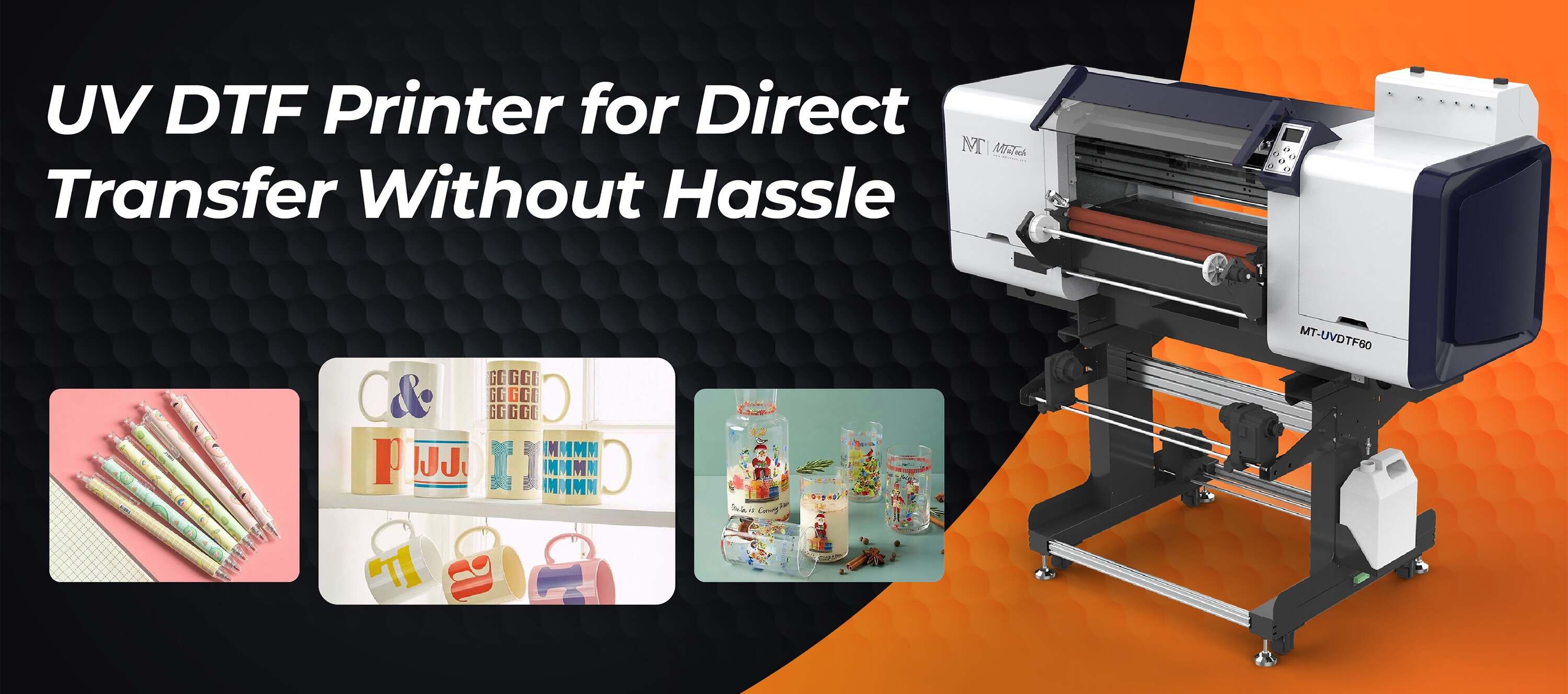
Introduction
In the ever-evolving world of printing technology, UV Direct-to-Film (DTF) printers have emerged as a leading choice for businesses aiming to deliver high-quality prints quickly and efficiently. As with any significant investment, understanding the Return on Investment (ROI) is crucial for making informed decisions. One of the most critical questions business owners ask is, "When will I break even?" In this blog post, we will delve deep into how to calculate the ROI for a UV DTF printer, factors influencing the break-even point, and the overall benefits of integrating this technology into your business.
Understanding UV DTF Printers
What is a UV DTF Printer?
A UV DTF printer is a specialized printing device that uses ultraviolet light to cure ink as it's printed. This allows for high-quality, vibrant images to be printed on various materials, including fabrics, hard surfaces, wood, glass, and more. DTF technology is particularly advantageous in creating durable graphics that are resistant to weather conditions and wear over time.
Key Benefits of UV DTF Printing
Versatility: Print on a wide range of substrates.
Durability: UV-cured inks are resistant to scratches and fading.
Color Vibrancy: Produces bright and rich colors.
Environmentally Friendly: Many UV inks are eco-friendly.
Cost-Effective: Reduced waste and efficient operation.
Calculating ROI: The Basics
ROI is a measure of the profitability of an investment. For a UV DTF printer, the formula to calculate ROI is as follows:
ROI (%) = (Net Profit / Cost of Investment) x 100
Determining Costs
To effectively calculate ROI, you need to first establish all relevant costs associated with purchasing and operating a UV DTF printer. These costs can be divided into several categories:
Initial Purchase Price: The upfront cost of the printer.
Supplies: Ink, film, cleaning materials, and maintenance supplies.
Operational Costs: Electricity, labor, and equipment maintenance.
Overhead Costs: Rent, insurance, and utilities related to your business operations.
Estimating Revenue
Next, you need to project how much revenue the printer will generate. Factors to consider include:
Price per Print: The price you charge for each printed item.
Volume of Orders: The number of prints you can realistically complete in a month.
Market Demand: Local or online demand for your printing services.
Creating a Break-Even Analysis
A break-even analysis helps you determine when your investment will pay off. The break-even point is the point where total revenues equal total costs. It can be calculated by using the following formula:
Break-Even Point (Units) = Fixed Costs / (Price per Print - Variable Cost per Unit)
Fixed vs. Variable Costs
Understanding the difference between fixed and variable costs is key to performing an accurate analysis:
Fixed Costs: Costs that do not change with production levels, such as the printer’s initial cost and monthly overheads.
Variable Costs: Costs that fluctuate with production levels, including ink, film, and consumables used per print.
Example Calculation
Let’s consider a hypothetical example to illustrate how to calculate the break-even point:
Initial Printer Cost: $15,000
Monthly Overhead: $1,000
Price per Print: $20
Variable Cost per Print: $5
Fixed Costs: $15,000 + ($1,000 x 12 months) = $27,000
Break-Even Point (Units): $27,000 / ($20 - $5) = 1,800 prints
In this scenario, you would need to sell 1,800 prints to break even on your investment.
Factors Influencing Your Break-Even Point
Several factors can influence the time it takes to reach your break-even point:
Market Conditions: Fluctuations in demand can affect how quickly you can sell your prints.
Competition: Higher competition may lead to lower pricing, affecting profitability.
Efficiency: Streamlining your operation can reduce costs and increase output.
Marketing: Investing in marketing can boost order volume, potentially speeding up ROI.
Summary and Conclusion
Investing in a UV DTF printer can be a lucrative decision, provided you carefully analyze the associated costs and potential revenues. By using the ROI calculator and break-even analysis laid out in this post, you can better understand when your investment will start paying off. Without a doubt, the quality and versatility of UV DTF printers can elevate your business offerings and profitability.
For those looking to explore their options further, explore our high-quality UV-DTF printers here. Making an investment in technology such as this can enhance your printing capabilities, improve customer satisfaction, and ultimately, boost your bottom line.
FAQ
How long does it typically take to break even on a UV DTF printer?
The time to break even varies significantly based on several factors including initial investment, running costs, pricing model, and market demand. Generally, businesses aiming for high volume can expect to break even within a year.
Are UV DTF printers suitable for small businesses?
Yes, UV DTF printers can be excellent for small businesses looking to diversify their product range. They can help create custom prints that cater to niche markets, thus expanding potential revenue streams.
What types of materials can a UV DTF printer print on?
UV DTF printers are highly versatile and can print on various materials including fabrics, wood, metal, glass, plastic, and more, making them ideal for different applications and industries.
Can I use a UV DTF printer for high-volume orders?
Absolutely! UV DTF printers are designed for both small and large printing jobs. Their efficiency and speed make them perfect for fulfilling high-volume orders without compromising on quality.
What maintenance does a UV DTF printer require?
Regular maintenance is essential to ensure optimal performance. This includes routine cleaning, replacing worn parts, and ensuring that ink and media are correctly loaded. Following the manufacturer’s guidelines is crucial for longevity.