

 HOME
HOME PRODUCT CENTER
 ABOUT US
 DOWNLOAD CENTER
 SUPPORT CENTER
 SUBSCRIBE
 BLOG
BLOGIn the world of digital printing, the choice of ink channel configurations can significantly impact the quality of the final product. UV Direct-to-Film (DTF) printers are becoming increasingly popular due to their versatility and exceptional print quality. Among the various configurations, two of the most common are CMYK and CMYK+White+Varnish setups. This blog post explores the differences between these configurations, their respective benefits, and which option may be suitable for your printing needs. UV DTF printing involves using ultraviolet light to cure ink as it's applied to a film substrate. The result is vibrant colors, sharp details, and a durable print that can adhere to a wide range of surfaces. Understanding the ink channel configuration is key to maximizing the capabilities of these printers. CMYK stands for Cyan, Magenta, Yellow, and Key (Black). This four-color process is the standard for many types of color printing, allowing for a broad spectrum of colors through color mixing. In the context of UV DTF printers, a CMYK configuration means that the printer uses these four colors to produce the final output. The CMYK+White+Varnish configuration extends the CMYK setup by adding two additional channels: White and Varnish. The White ink channel can be vital for printing on transparent or dark substrates, while the Varnish channel enhances the tactile qualities of printed materials, providing a glossy effect and added protection. The CMYK configuration has its own set of advantages: Cost-Effective: CMYK inks are generally less expensive than specialized inks like White and Varnish. This can lead to considerable savings, especially for high-volume print jobs. Simplified Workflow: Fewer channels mean less complexity in the printing process, making it easier for novice operators to produce quality prints. Good for Standard Applications: For standard materials and applications, the CMYK configuration provides satisfactory results with vibrant color reproduction. While the CMYK configuration has significant benefits, the CMYK+White+Varnish setup takes printing to another level: Enhanced Versatility: The addition of White ink allows for printing on dark or transparent materials, making it possible to achieve vibrant colors even on non-white substrates. Improved Visual Impact: Varnish can give prints a glossy finish, enhancing visual appeal and offering a tactile experience that is often sought after in promotional materials. Durability: Varnish not only adds shine but also protects the print from scratches and fading, extending the lifespan of the product. Simplicity: Easy to manage with fewer ink channels. Immediate Results: Faster production speeds as there are fewer inks to manage. Sufficient for Most Applications: Great for business cards, flyers, and standard graphics. Advanced Color Gamut: Expanded color range that allows for more vibrant prints. White Ink Versatility: Facilitates printing on various materials including dark and transparent films. Protective Varnish: Adds a layer of protection and enhances the print's durability against environmental factors. Deciding between a CMYK and a CMYK+White+Varnish configuration largely depends on your specific printing needs: Standard Printing Tasks: For straightforward jobs like regular documents, posters, and basic graphics, the CMYK configuration is often more than sufficient. Specialty Applications: If your work involves printing on unusual surfaces or you require a glossy, protective finish, then the CMYK+White+Varnish configuration is the superior choice. The choice of ink configuration can significantly influence the quality of your prints. CMYK prints can look vibrant on the right surfaces but may lack the depth and richness provided by a CMYK+White+Varnish setup. This is particularly true when printing on non-white substrates. The additional channels in the latter configuration open up possibilities for enhanced color reproduction and visual effects. While the CMYK configuration is more affordable and less complex in terms of operations, it’s essential to analyze the long-term value of investment in a CMYK+White+Varnish setup for businesses aiming for high-quality outputs. The initial investment may be higher, but the versatility and quality can offset these costs in higher customer satisfaction and retention. Another aspect to consider is maintenance. CMYK+White+Varnish printers may require more specialized knowledge to operate effectively. Regular maintenance to ensure the white ink doesn’t clog the print heads and to manage varnish usage efficiently is crucial. Understanding the differences between CMYK and CMYK+White+Varnish configurations is essential for anyone involved in UV DTF printing. Each configuration has its own strengths and weaknesses, making them suitable for different types of projects. By evaluating your specific needs, budget, and desired print quality, you can make an informed decision that will enhance your printing capabilities and meet your business goals. Don’t forget to consider the long-term advantages of investing in quality equipment that caters to your needs today and into the future. Explore our high-quality UV-DTF printers here to find the perfect fit for your projects. The primary difference lies in the additional White and Varnish ink channels in the CMYK+White+Varnish configuration, which provide enhanced versatility in printing on various substrates and improved visual appeal through a glossy finish. CMYK is sufficient for many standard printing tasks, especially when working with white or light-colored materials. However, for applications requiring vibrant colors on dark or transparent surfaces, CMYK+White+Varnish is recommended. Generally, yes. CMYK+White+Varnish printers can be more complex, requiring regular maintenance to avoid issues like ink clogging and managing varnish effectively. For promotional materials, the CMYK+White+Varnish configuration is often ideal due to its ability to produce vibrant colors and a sophisticated finish that can greatly enhance the appeal of the products.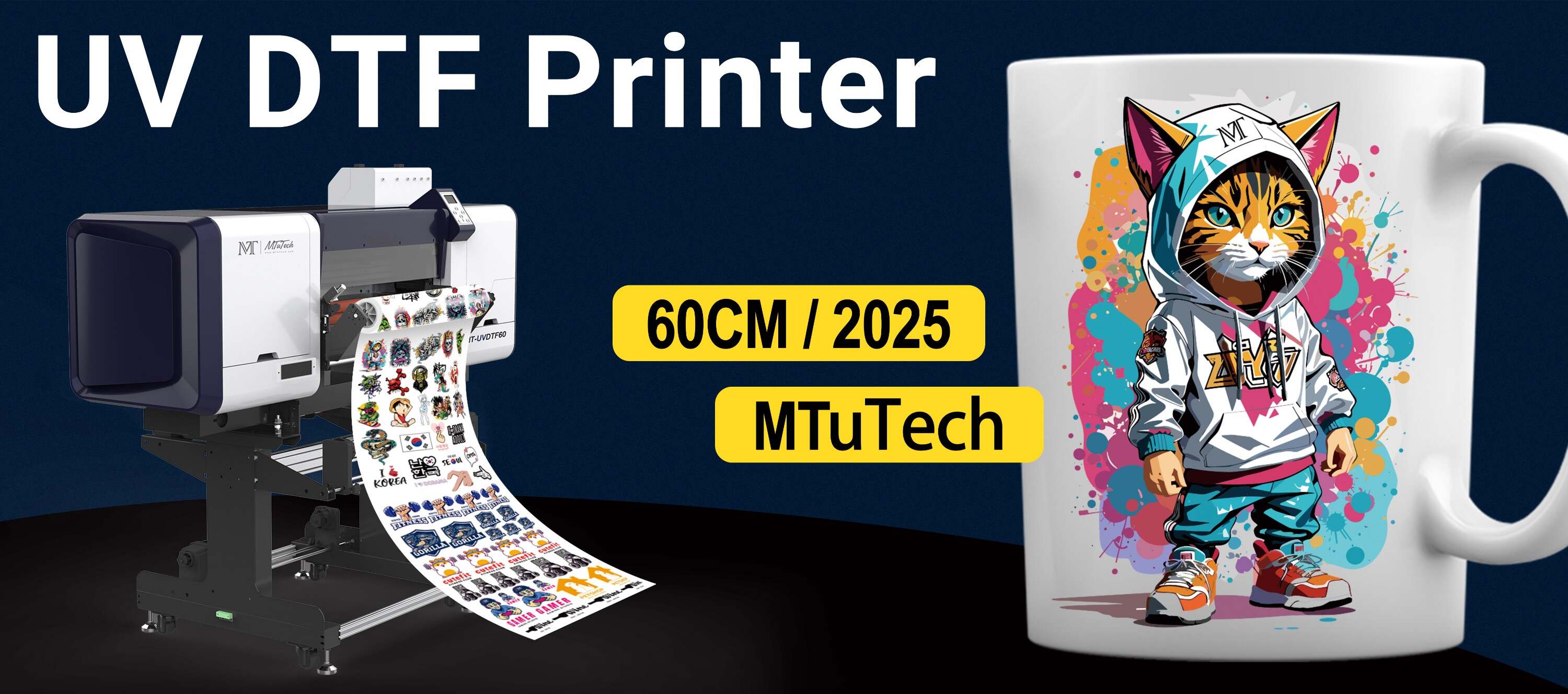
Introduction
The Basics of UV DTF Printing
What is CMYK?
What is CMYK+White+Varnish?
Benefits of CMYK Configurations
Benefits of CMYK+White+Varnish Configurations
Features of Each Configuration
CMYK Features
CMYK+White+Varnish Features
Choosing the Right Configuration
Quality Considerations
Cost Implications
Maintenance and Expertise
Conclusion
FAQ
What is the primary difference between CMYK and CMYK+White+Varnish configurations?
Is CMYK sufficient for all printing tasks?
Are CMYK+White+Varnish printers more expensive to maintain?
Which configuration is ideal for promotional materials?
Understanding UV DTF Printer Ink Channels: CMYK vs CMYK+White+Varnish Configurations
10 February 2026
Online Inquiry
Lastest News
-
6:00 pm · 12 May 26
How Major Brands Use UV DTF Printers for Limited Edition Products
-
5:11 pm · 11 May 26
UV DTF Printer Certifications: CE, FCC, and What They Mean
-
5:46 pm · 9 May 26
Print-on-Demand Integration with UV DTF Printer Systems
-
10:03 am · 8 May 26
UV DTF Printer Innovations Coming in the Next 3 Years