

 HOME
HOME PRODUCT CENTER
 ABOUT US
 DOWNLOAD CENTER
 SUPPORT CENTER
 SUBSCRIBE
 BLOG
BLOG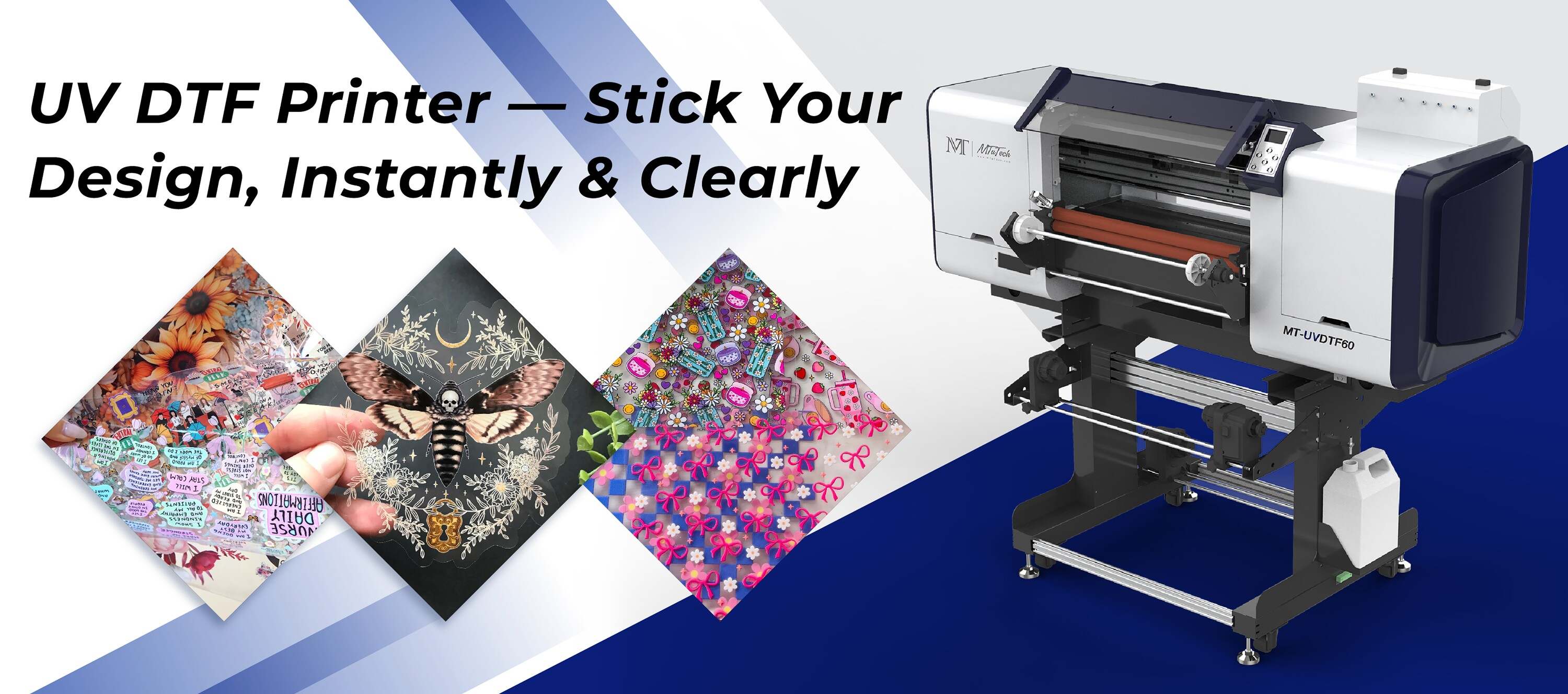
Introduction
The rise of digital printing technologies has transformed how businesses approach printing applications across various industries. Among these advancements, UV Direct-to-Film (DTF) printing has gained significant traction due to its ability to produce high-quality, durable prints. However, achieving optimal results with UV DTF printers greatly relies on the use of vacuum table systems. In this article, we will explore what UV DTF printer vacuum table systems are, their benefits, key features, and why they are crucial in ensuring print quality.
Understanding UV DTF Printing and Vacuum Table Systems
What is UV DTF Printing?
UV DTF printing combines the principles of UV printing and DTF technology. This dual capability allows for printing on various substrates while ensuring vibrant colors and long-lasting durability. The process involves printing on a special film with UV-curable inks that are instantly cured, resulting in high-quality graphics suitable for numerous applications, from textiles to promotional products.
What are Vacuum Table Systems?
A vacuum table system is an essential component used in UV DTF printing setups. It consists of a flat surface with integrated vacuum technology that securely holds materials in place during the printing process. This stability is crucial for achieving precise alignment and high-quality results, especially when working with thick or flexible materials.
Benefits of Using Vacuum Table Systems
The integration of vacuum table systems in UV DTF printing brings several advantages. Here are the key benefits:
Enhanced Stability: The vacuum hold minimizes any material movement during printing, leading to more accurate results.
Improved Print Quality: By ensuring materials remain flat and secured, vacuum tables help achieve cleaner prints with less risk of blurring or misalignment.
Versatility: Vacuum tables can accommodate various materials, including rigid and flexible substrates, making them suitable for wide-ranging applications.
Time Efficiency: With materials securely held in place, operators can avoid multiple setup adjustments, speeding up the overall production process.
Reduction in Waste: Precise alignment and fewer errors mean less material waste, ultimately saving costs.
Key Features of Vacuum Table Systems
To maximize the benefits of vacuum table systems, it's essential to understand their key features. Here are some must-have attributes:
Adjustable Vacuum Pressure
This feature allows operators to fine-tune the vacuum strength according to different materials. Delicate substrates may require less pressure to avoid damage, while thicker materials need a stronger hold.
Modular Design
Vacuum tables with a modular design can easily adapt to different print jobs. This feature enhances versatility and ensures that the system can handle a range of sizes and shapes.
Integrated Heating Elements
Some advanced vacuum tables come with built-in heating elements. Heating materials before the printing process can improve adhesion and help achieve better ink saturation.
User-Friendly Controls
Modern vacuum tables are equipped with intuitive control panels that allow for easy adjustments. Operators can quickly change settings without interrupting the workflow, enhancing overall efficiency.
Robust Construction
A vacuum table's durability is paramount. High-quality materials and construction ensure that the table remains stable and performs reliably even under heavy use.
Why Quality Matters in UV DTF Printing
Quality should always be a top priority in digital printing, particularly in UV DTF applications. Here’s why:
Customer Satisfaction
In a competitive market, the quality of printed products can significantly affect customer satisfaction and retention. High-quality prints enhance the perceived value of products, leading to repeat business.
Brand Reputation
A reputation for delivering consistently high-quality prints can set a business apart from its competitors. Poorly printed products can damage a brand's image and client trust.
Cost-Effectiveness
Investing in quality printing helps reduce costs in the long run. High-quality prints lead to fewer returns, revisits, and material waste, ultimately improving a company’s bottom line.
Conclusion
In the world of UV DTF printing, vacuum table systems play a critical role in delivering quality. From enhanced stability to improved print accuracy, these systems provide the necessary support for achieving outstanding results. As the printing landscape evolves, investing in advanced vacuum table technology is imperative for businesses aiming for excellence. For more information on high-quality UV-DTF printers and vacuum table systems, explore our high-quality UV-DTF printers here.
FAQ
What types of materials can be used with UV DTF printers and vacuum table systems?
UV DTF printers and vacuum table systems can handle a wide variety of materials, including textiles, metals, plastics, wood, and glass. The versatility of the vacuum table system ensures that different materials can be securely held during the printing process.
How does a vacuum table affect the printing process?
A vacuum table secures the materials in place during the printing process, minimizing any movement. This stability is crucial for achieving precise alignment, reducing print errors, and ultimately enhancing the quality of the final product.
Can I adjust the vacuum pressure on a vacuum table?
Yes, many vacuum tables come with adjustable vacuum pressure settings. This feature allows operators to choose the appropriate amount of suction based on the material being printed, ensuring optimal results without damaging delicate substrates.
Are vacuum table systems compatible with all UV DTF printers?
While vacuum table systems are widely compatible with most UV DTF printers, it's essential to consult the manufacturer specifications to ensure compatibility. Proper integration will maximize performance and enhance print quality.
What maintenance is required for vacuum table systems?
Regular maintenance of vacuum table systems includes cleaning the surface to remove any debris or ink residue, checking for any leaks in the vacuum system, and inspecting the controls and fittings for wear. Routine checks will prolong the life and performance of the vacuum table.